
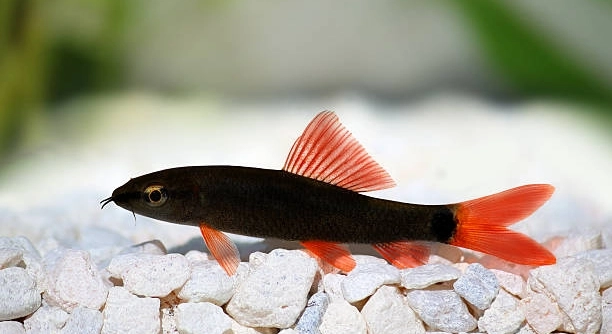
Are your rainbow sharks spending more time hiding than exploring their tank? Is your setup making them feel stressed or unsafe?
Successfully setting up a rainbow shark tank depends on creating the right environment, choosing compatible tank mates, and maintaining proper water conditions. Each of these elements plays a critical role in the fish’s health and behavior.
From tank size to decoration choices, understanding these key factors can help you create a thriving and peaceful home for your rainbow shark.
Choose the Right Tank Size
Rainbow sharks need enough space to feel comfortable and act naturally. A common mistake is placing them in tanks that are too small, which can lead to stress and aggression. A single rainbow shark should be kept in a tank no smaller than 55 gallons. These fish are active swimmers and prefer horizontal space, allowing them to explore without feeling trapped. Avoid tall tanks or ones with limited floor space. If you plan to keep other fish with your rainbow shark, go even larger to reduce the risk of territorial behavior. A crowded setup often leads to chasing and injuries. Providing the right tank size from the beginning helps support long-term health and better behavior. Once your rainbow shark feels secure, you’re more likely to see it swimming confidently around the tank instead of hiding behind plants or decorations all day.
A bigger tank also makes it easier to manage water quality and temperature.
Having the right size tank creates a stable environment, reducing stress for your fish. It also leaves room for plants, decorations, and hiding spaces without making the space feel cramped. This balance is important when trying to create a setup that looks good and works well for your rainbow shark.
Pick Compatible Tank Mates
Rainbow sharks don’t do well with every fish.
They can be territorial, especially with bottom dwellers or fish that look similar to them. Avoid placing them with red-tailed sharks, other rainbow sharks, or aggressive fish. Peaceful mid-level swimmers like barbs, danios, and rasboras are usually better choices. These fish tend to keep to themselves and move quickly enough to avoid trouble. Slow-moving or long-finned fish, such as angelfish or bettas, are not recommended. Overcrowding and too many bottom dwellers will often lead to conflict. If you’re adding tank mates, introduce them early and monitor behavior closely. Give everyone enough space to claim their own area in the tank. Add visual barriers like rocks or driftwood to block line of sight and reduce chasing. Compatibility is about more than just aggression; it’s about choosing fish that match in size, swimming habits, and activity level. Getting this part right helps create a more peaceful and active tank.
Set Up Proper Hiding Spots
Rainbow sharks are territorial and need places to claim as their own. Without hiding spots, they may become aggressive or stressed. Use caves, driftwood, or PVC pipes to create secure areas where they can retreat when needed. Avoid sharp edges or crowded decorations.
A tank with proper hiding spots helps lower tension between fish. Rainbow sharks often guard one area, so providing multiple options prevents fights over space. Spread the hiding spots across the tank to break up lines of sight. Choose materials that are safe and aquarium-approved to avoid harming your fish. Rocks, logs, and artificial decorations can all work well if placed correctly. Avoid cluttering the tank, as that limits swimming room and makes cleaning harder. It’s also important to leave open areas for movement. A good layout balances cover and space, giving your rainbow shark room to explore while still feeling secure.
These spots also support natural behaviors. Rainbow sharks are active but still need downtime, especially during lights-off hours. If they don’t feel safe, they may stay hidden all the time or lash out at other fish. Keep decorations low to the ground to suit their swimming level. Hiding areas should be stable, easy to clean around, and fit the fish’s size comfortably.
Maintain Stable Water Conditions
Rainbow sharks need clean, steady water to stay healthy. Fluctuations in temperature, pH, or ammonia levels can lead to illness and stress. Always use a reliable heater and filter, and test water regularly using accurate kits. These small habits make a big difference in the long run.
Keep your tank’s temperature between 75–81°F, with a stable pH of around 6.5 to 7.5. Sudden changes, even minor ones, can lead to stress or lowered immune function. Use a good filter that matches the tank size, and rinse filter media in tank water—not tap water—to keep beneficial bacteria alive. Perform partial water changes weekly, around 20–30%, to remove toxins and refresh the tank. Make sure new water matches the tank’s temperature before adding it. Avoid overfeeding, which can quickly pollute the tank. If your rainbow shark becomes less active or eats less, check your water parameters first. Clean, balanced water helps them thrive.
Keep Lighting and Noise Levels Low
Bright lights can make rainbow sharks feel exposed. Use soft lighting and give them a regular day-night cycle. Too much light may cause them to hide or act out, especially in a bare tank with little cover.
Loud sounds and vibrations from nearby TVs or speakers can stress your fish. Keep the tank in a quieter part of the room and avoid sudden movements near it. Calmer surroundings help rainbow sharks stay relaxed and active without becoming skittish or aggressive.
Feed a Balanced and Varied Diet
Rainbow sharks are omnivores and need both protein and plant matter. Use high-quality sinking pellets as a staple and add variety with occasional treats like bloodworms, brine shrimp, and blanched vegetables. Avoid overfeeding, as leftover food can affect water quality. Feed once or twice daily, offering only what they can eat in a couple of minutes. A healthy diet supports growth, color, and energy. Skip oily or processed human foods, and rinse all vegetables before use. Changing up their food now and then helps prevent boredom and encourages natural foraging behaviors. A well-fed rainbow shark is usually more active and less aggressive.
Quarantine New Fish
Always quarantine new fish for at least two weeks before adding them to your main tank. This helps prevent illness and reduces the chance of aggressive behavior during introduction.
FAQ
How big should my tank be for a rainbow shark?
A minimum of 55 gallons is recommended for one rainbow shark. These fish are active swimmers and need plenty of horizontal space. Larger tanks reduce stress and aggression, especially if you want to keep other fish with them. More room helps maintain stable water conditions and allows for decorations without overcrowding.
Can rainbow sharks live with other fish?
Yes, but tank mates must be chosen carefully. Avoid other bottom dwellers or fish that look similar, like other rainbow sharks or red-tailed sharks. Peaceful, fast-swimming mid-level fish such as barbs, danios, and rasboras usually work well. Avoid slow or long-finned fish like bettas or angelfish because they may become targets.
What water conditions do rainbow sharks need?
They prefer a temperature between 75 and 81°F and a pH range of 6.5 to 7.5. Keep water parameters stable, as sudden changes can stress them. Use a reliable filter and heater, test water regularly, and perform weekly partial water changes to maintain quality.
What do rainbow sharks eat?
Rainbow sharks are omnivores and need a varied diet. High-quality sinking pellets should be their main food. Supplement with bloodworms, brine shrimp, and blanched vegetables like zucchini or spinach. Avoid overfeeding to prevent water quality issues. Feed once or twice a day, only what they can eat in a few minutes.
How can I reduce aggression in my rainbow shark tank?
Providing enough space and hiding spots is key. Make sure your tank is large enough, with plenty of caves, plants, or decorations for hiding. Avoid overcrowding, and choose compatible tank mates. Visual barriers like driftwood or rocks can help break up the tank and reduce chasing behavior.
Why is my rainbow shark hiding all the time?
Hiding can mean the fish feels stressed or unsafe. Check tank size, water conditions, and tank mates. Make sure there are enough hiding spots and that the lighting isn’t too bright. If everything seems fine, the fish might just be shy or adjusting to its environment.
How often should I clean my rainbow shark tank?
Perform a 20–30% water change weekly to keep water clean and remove toxins. Clean the substrate gently during water changes to avoid disturbing beneficial bacteria. Rinse filter media in tank water only, not tap water, to keep bacteria alive. Avoid over-cleaning, which can harm the tank’s biological balance.
Do rainbow sharks need a specific type of substrate?
They prefer smooth substrates like sand or fine gravel, which won’t damage their delicate undersides. Avoid sharp or rough gravel. A soft substrate also makes it easier for them to dig and forage naturally. It’s better to keep substrate clean and avoid build-up of waste.
Can rainbow sharks jump out of the tank?
Yes, they can. Make sure your tank has a tight-fitting lid to prevent escapes. Jumping often happens if the fish is stressed or water conditions are poor. Keeping the environment comfortable and secure helps reduce this risk.
How long do rainbow sharks live?
With proper care, rainbow sharks can live 8 to 10 years or more. Good tank conditions, a balanced diet, and low stress are essential to their lifespan. Regular monitoring of water quality and behavior helps catch issues early to keep them healthy.
Setting up a rainbow shark tank takes careful planning and attention to detail. These fish need a spacious tank with plenty of room to swim and explore. A tank that is too small can cause stress and lead to aggressive behavior. Providing enough hiding spots helps the rainbow shark feel safe and secure, which encourages natural behaviors and reduces conflicts with other fish. It is also important to choose tank mates carefully, as not all fish are compatible with rainbow sharks. By paying attention to tank size, decorations, and the types of fish you add, you create a healthier and more peaceful environment for your rainbow shark.
Water quality plays a major role in the health of your rainbow shark. Maintaining stable water conditions is essential. This means keeping the temperature steady, checking the pH, and regularly testing for harmful chemicals like ammonia or nitrites. A good filter and regular partial water changes help keep the water clean and balanced. Overfeeding can pollute the tank quickly, so feeding the right amount of food is just as important. Keeping the tank clean and stable reduces the risk of disease and helps your fish stay active and vibrant.
Feeding your rainbow shark a balanced diet is another key factor for its well-being. These fish are omnivores, so they need both plant and animal-based foods. High-quality sinking pellets are a good base, but adding treats like bloodworms or vegetables provides variety and helps meet their nutritional needs. Overfeeding can harm both your fish and the tank environment, so feeding only what they can eat in a few minutes is best. With the right care and environment, your rainbow shark can live a long and healthy life, showing off its beautiful colors and lively personality.

Hello,
If you enjoy the content that we create, please consider saying a "Thank You!" by leaving a tip.
Every little bit helps us continue crafting quality advice that supports the health, happiness, and well-being of pets around the world, for pets of all shapes, sizes, and species.
We really appreciate the kindness and support that you show us!