
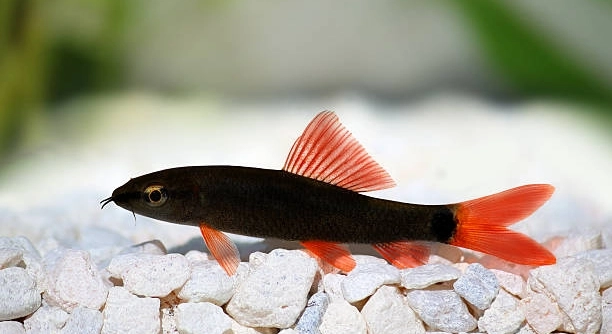
Is your rainbow shark spending more time hiding, acting aggressive, or appearing stressed in its tank? These could be signs that your aquarium is overcrowded and affecting your fish’s well-being.
Overcrowding in a rainbow shark’s tank can lead to stress, aggression, and illness due to limited space and territorial behavior. Providing a larger tank and reducing the number of tankmates are key steps to improve the environment.
Simple adjustments to their habitat can make a noticeable difference in behavior, health, and tank harmony.
Give Your Rainbow Shark More Space
A rainbow shark needs space to swim, hide, and feel secure. When the tank is too small, the fish becomes territorial and stressed. A minimum tank size of 55 gallons is recommended for a single adult rainbow shark. This allows enough room for swimming and reduces the chances of aggressive behavior. If you have other fish, you’ll need even more space. Crowded tanks often lead to fighting and health issues because waste builds up faster and oxygen levels drop. By upgrading to a larger tank, you create a safer and more stable environment for your fish to thrive.
A cramped tank can quickly make your rainbow shark aggressive. Extra space often leads to calmer behavior and healthier movement.
Make sure the new tank is well-cycled before moving your rainbow shark. Use gravel or decorations from the old tank to help the transition go smoothly. Place hiding spots like caves or driftwood to give the fish private areas. Avoid placing reflective surfaces that may cause stress. The goal is to let the shark feel like it has its own territory without constantly bumping into other fish. Once your rainbow shark has enough space, you may notice a more relaxed and stable routine in its behavior.
Check the Number of Tankmates
Too many tankmates can make your rainbow shark feel cornered. This leads to constant stress and sometimes even injury.
Rainbow sharks are known to be territorial, especially with bottom dwellers or fish of a similar shape. When they feel overcrowded, they often act aggressively to defend what little space they have. If your tank is busy with fish at all levels—top, middle, and bottom—your rainbow shark may not have enough room to claim a small area as its own. Limit bottom-dwelling tankmates and avoid other shark-like species. It’s usually best to keep just one rainbow shark per tank, especially if the aquarium isn’t very large. Choose tankmates that prefer different parts of the tank and move calmly. Fish like barbs or danios are often good choices because they’re fast and tend to swim in the upper levels. Keep a close eye on their behavior after any changes and remove aggressive or stressed fish quickly.
Improve Hiding Spots in the Tank
Rainbow sharks feel safer when they have places to hide. Without hiding spots, they can become anxious and territorial, especially in crowded tanks. Caves, plants, and driftwood help break up sightlines and give your fish a sense of security.
Use decorations that block direct lines of sight to prevent constant visual contact between the rainbow shark and other fish. This helps lower tension and gives your shark time to rest without being disturbed. Try adding smooth rocks, artificial caves, or large plants like Java fern or Anubias. Make sure there are multiple hiding places in different areas of the tank, so no single fish controls them all. Avoid overcrowding the tank with decorations, though—leave open space for swimming. A mix of structure and open water is ideal for a healthy environment.
As soon as more hiding places are added, you may notice a shift in behavior. Rainbow sharks will often retreat to these spaces instead of chasing tankmates. This leads to a calmer tank overall. If possible, rearrange the decor when adding new fish to disrupt established territories. This can reduce aggression as your rainbow shark explores a new layout instead of defending old spots. A few simple changes can bring long-lasting improvements.
Monitor Water Quality Closely
Poor water quality can quickly make a rainbow shark irritable and aggressive. In an overcrowded tank, waste builds up faster and oxygen drops, stressing the fish. Regular testing helps prevent this and keeps the tank safe for all the fish.
Check ammonia, nitrite, nitrate, and pH levels at least once a week, especially in busy tanks. High ammonia or nitrite levels can harm your fish’s health and make them act out. Even if the tank looks clean, invisible toxins can affect behavior. Perform partial water changes regularly—about 25% weekly is a good rule. Use a gravel vacuum to remove uneaten food and waste trapped at the bottom. A strong filter is essential in an overcrowded tank, but make sure the flow isn’t too powerful for your rainbow shark. Add an air stone or adjust your filter to increase oxygen levels. Keeping the water clean and stable helps your rainbow shark feel comfortable and less defensive.
Rehome Other Fish if Necessary
If aggression continues even after improving conditions, it may be time to rehome some tankmates. A crowded tank with constant stress isn’t good for any fish, and removing a few can help restore balance quickly.
Choose fish that seem the most stressed, injured, or targeted. Rehoming just one or two can make a big difference in behavior.
Avoid Adding More Fish
Adding more fish to an already overcrowded tank will only make things worse. Even peaceful species can cause tension when space is limited. If your rainbow shark is already showing stress, hold off on introducing any new tankmates for now.
Reduce Feeding Competition
Feeding time can cause tension if fish are fighting over food. Use sinking pellets, spread food across the tank, and feed in small amounts to keep everyone calm. Less competition means fewer reasons for your rainbow shark to get aggressive.
FAQ
How can I tell if my rainbow shark is stressed from overcrowding?
You might notice your rainbow shark hiding more often, becoming aggressive, or swimming erratically. These are common signs of stress. In some cases, the fish may stop eating or change color slightly, appearing duller than usual. Overcrowding leads to constant competition for space, which can increase this behavior. Watch how your shark interacts with other fish and check for any signs of injuries or torn fins. If the shark is constantly chasing others or pacing along the tank walls, it’s likely reacting to limited space or uncomfortable conditions.
What is the minimum tank size for a rainbow shark with tankmates?
For a rainbow shark living with other fish, aim for at least a 75-gallon tank. This gives the shark enough room to establish its own territory while allowing space for the others to swim freely. Rainbow sharks are territorial by nature, so a larger tank helps reduce conflict. Tanks under 55 gallons can quickly become stressful, even if they are not packed with fish. More space also makes it easier to add hiding spots and create different zones in the tank, which supports a peaceful setup.
Can rainbow sharks live with other bottom dwellers?
It’s possible, but it depends on the individual fish and tank size. Rainbow sharks often see other bottom dwellers as rivals, especially those with a similar body shape like red tail sharks or loaches. If you want to include bottom feeders, choose peaceful ones and make sure the tank is large enough to give each fish its own area. Adding plenty of hiding places and breaking up the sightlines can also help. Monitor them closely, and be ready to separate fish if tension builds or injuries happen.
How often should I do water changes in an overcrowded tank?
In a tank with more fish than usual, it’s best to do partial water changes at least once a week. Remove 25–30% of the water and use a gravel vacuum to clean waste buildup. This helps keep the water parameters stable and reduces the buildup of ammonia and nitrites, which can quickly rise in crowded conditions. If the tank has high waste or visible algae, increase water changes to twice a week. A clean tank leads to healthier fish and less stress overall.
Will aggression go away once the tank is upgraded?
In many cases, yes. Moving your rainbow shark to a larger tank can greatly reduce stress and aggressive behavior. With more space, the fish doesn’t feel as threatened and is less likely to chase or harass others. However, it’s not always instant—your rainbow shark might still need time to adjust to the new setup. Also, if it has already developed a habit of aggression, adding new hiding spots and rearranging the tank can help it reset its territory. Observe the behavior closely after the upgrade.
What type of fish make good tankmates for rainbow sharks?
Fast, upper-level swimmers like zebra danios, tiger barbs, or rainbowfish often do well with rainbow sharks. These fish are quick and tend to stay away from the bottom, where rainbow sharks prefer to stay. Avoid slow-moving or shy species, as they may become targets. Never pair rainbow sharks with other shark-like fish, as this leads to territorial fights. Choosing the right tankmates, based on size and swimming level, plays a big part in keeping peace in the aquarium.
Can I keep more than one rainbow shark in the same tank?
Keeping more than one rainbow shark in a tank is not recommended unless the tank is very large—at least 125 gallons or more—with plenty of hiding spots and broken sightlines. Even then, there’s no guarantee they’ll tolerate each other. Rainbow sharks are known for being aggressive toward their own kind, especially in smaller spaces. If you try it, watch them closely for signs of chasing or fighting. It’s usually safer to keep only one per tank to avoid unnecessary stress or injury.
Final Thoughts
Overcrowding is a common issue in home aquariums, and rainbow sharks are especially sensitive to it. These fish need enough space to swim, explore, and feel safe. When there are too many fish or not enough hiding spots, rainbow sharks may become aggressive or stressed. You might notice them chasing other fish, hiding all the time, or showing signs of illness. These changes are often caused by limited space or competition. A few simple changes—like increasing tank size or adjusting the layout—can make a big difference in their behavior and well-being.
Keeping a close eye on your tank’s conditions is important. Even if everything looks clean, poor water quality can build up quietly, especially in crowded setups. Regular water tests and weekly water changes help prevent harmful conditions from developing. You don’t need a complicated routine—just stay consistent with cleaning and monitor how your fish act day to day. If things still seem off, it may be time to remove a few tankmates or rethink which species belong in your aquarium. Every fish has its own needs, and not all combinations work well in shared spaces. Rainbow sharks do best when they feel like they have control over their area.
A calm and balanced tank doesn’t happen by chance. It takes time, observation, and small changes based on what you notice. Choosing peaceful tankmates, providing enough space, and setting up proper hiding places are all parts of responsible care. If you see signs of stress or fighting, don’t ignore them—those are clues that your rainbow shark needs something different. Making adjustments as needed shows care not only for your shark but for the rest of your fish as well. Over time, your aquarium will feel more stable, and your rainbow shark will show more natural and relaxed behavior. A little effort now can lead to a healthier and more peaceful tank long term.

Hello,
If you enjoy the content that we create, please consider saying a "Thank You!" by leaving a tip.
Every little bit helps us continue crafting quality advice that supports the health, happiness, and well-being of pets around the world, for pets of all shapes, sizes, and species.
We really appreciate the kindness and support that you show us!