
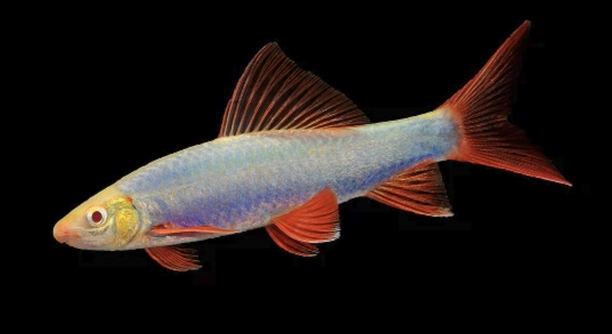
Rainbow sharks are popular aquarium fish known for their vibrant colors and active behavior. Like any pet, they can sometimes show signs of illness. Recognizing these signs early can help keep your fish healthy and happy in your tank.
Rainbow sharks exhibit various symptoms when unwell, including changes in appetite, unusual swimming patterns, discoloration, and lethargy. Identifying these signs promptly allows for timely intervention and improves the chances of recovery. Monitoring water quality and behavior is essential.
Knowing what to watch for can make a big difference in your rainbow shark’s wellbeing. This article will guide you through key indicators that your fish might need attention.
Loss of Appetite
When a rainbow shark stops eating or shows less interest in food, it is often a clear sign of distress. This behavior can result from poor water conditions, illness, or stress caused by tank mates. Sometimes the fish may refuse food for a few days, but if it continues longer, it is important to investigate. Changes in diet or feeding routine might also cause a temporary loss of appetite. Ensuring fresh, high-quality food and a clean environment can help prevent this issue. Observing your fish closely during feeding times allows you to notice subtle changes before the problem worsens.
Loss of appetite usually signals that something is wrong and should not be ignored.
A consistent lack of eating reduces energy, weakens the immune system, and slows healing. If you notice your rainbow shark avoiding food, check water quality, temperature, and tank conditions. Consider consulting a vet or experienced aquarist if the behavior persists. Prompt action increases the chances of recovery and prevents further health problems.
Unusual Swimming Patterns
Erratic or sluggish swimming is often an indication that the fish is unwell. Rainbow sharks may swim in circles, hover near the surface, or stay at the bottom of the tank more than usual. This can be caused by poor water quality, infections, or internal parasites. Observing your fish’s movements regularly helps identify these changes early. In some cases, swimming difficulties stem from stress or injury. Tank overcrowding or sudden changes in the environment can also affect swimming behavior. Maintaining stable tank conditions reduces the risk of these issues.
Swimming abnormalities often indicate stress or illness.
If your rainbow shark struggles to swim normally, it is important to test water parameters immediately. Poor oxygen levels or toxins in the water can cause these symptoms. Addressing these problems quickly supports the fish’s health. Infections or parasites might require treatment with medication. Keep the tank clean and avoid sudden temperature fluctuations. Consistent observation and maintenance are key to preventing swimming problems. Recognizing unusual swimming early can help avoid serious health complications.
Discoloration and Spots
Discoloration or unusual spots on your rainbow shark’s body can be a sign of illness or poor water conditions. These changes often indicate infections, parasites, or stress.
Fading colors or white spots usually result from fungal or bacterial infections. Poor water quality can weaken the fish’s immune system, making it more susceptible to disease. Some parasites create visible marks or lesions on the skin. Regular water testing and maintaining proper tank cleanliness can help prevent these problems. Treatment might require specific medications depending on the infection type. Identifying the exact cause early is important for effective care.
Spotting discoloration early allows you to act quickly. Different infections have specific symptoms, so researching or consulting experts helps find the right treatment. Avoid overcrowding and provide good nutrition to strengthen your fish’s natural defenses. Keeping an eye on color changes is a simple but important way to monitor health.
Lethargy and Hiding
Lethargy or excessive hiding is often a sign that a rainbow shark is unwell. These behaviors usually mean the fish is stressed, sick, or uncomfortable in its environment.
When a rainbow shark becomes inactive, it may stay near the tank bottom or hide behind decorations. Stress from poor water quality, aggressive tank mates, or sudden changes can cause this behavior. Illnesses can also drain energy, making the fish less responsive. Consistent lethargy indicates a deeper problem requiring attention. Keeping the tank stable and peaceful reduces stress and helps the fish regain normal activity.
If lethargy continues, check water parameters immediately and observe for other signs of illness. Treatment might include improving water conditions, isolating the fish, or administering medication. Giving the fish a calm environment is crucial for recovery. Proper care and monitoring support your rainbow shark’s return to health.
Gasping at the Surface
Gasping at the surface usually means your rainbow shark is struggling to get enough oxygen. This can be caused by poor water circulation or low oxygen levels in the tank.
Improving aeration and checking the filter system can help fix this issue. Proper water movement ensures oxygen reaches all areas of the tank, keeping fish healthy.
Clamped Fins
Clamped fins occur when a rainbow shark holds its fins close to the body instead of spreading them out. This is often a response to stress or illness.
It is important to observe other symptoms and water conditions when fins remain clamped for long periods. Immediate care can prevent worsening health problems.
Rapid Gill Movement
Rapid gill movement indicates that the fish is working hard to breathe. This can signal poor water quality or the presence of harmful substances. Monitoring water parameters regularly helps avoid this condition.
FAQ
How can I improve the water quality in my rainbow shark’s tank?
Maintaining good water quality is essential for your rainbow shark’s health. Regular water changes, about 20-25% weekly, help remove toxins and keep the water clean. Using a reliable filtration system and testing water parameters such as ammonia, nitrite, and nitrate ensures a safe environment. Avoid overfeeding, as leftover food can pollute the tank. Keeping the temperature stable between 74°F and 79°F supports your fish’s well-being. Cleaning the tank decorations and substrate occasionally also prevents harmful buildup.
What should I feed my rainbow shark to keep it healthy?
Rainbow sharks are omnivores and need a balanced diet. High-quality sinking pellets or wafers designed for bottom feeders work well. Supplementing with live or frozen foods like bloodworms, brine shrimp, or daphnia adds necessary protein. Including some vegetable matter, like blanched spinach or zucchini, promotes good digestion. Feeding small amounts twice a day prevents overfeeding and maintains water quality. Observing how much your fish eats helps avoid leftover food waste.
Why does my rainbow shark hide a lot?
Hiding behavior can mean stress, illness, or poor tank conditions. Aggressive tank mates or overcrowding might cause your fish to seek shelter often. Water quality issues and sudden environmental changes can also increase hiding. Make sure the tank has enough hiding spots but isn’t overcrowded. Check water parameters regularly and keep the environment stable. If hiding is combined with other signs like loss of appetite or lethargy, it may indicate illness needing attention.
How do I know if my rainbow shark is stressed?
Signs of stress include clamped fins, erratic swimming, loss of appetite, and increased hiding. Stress often results from poor water conditions, incompatible tank mates, or rapid changes in the environment. Consistent monitoring and maintaining a clean, stable tank help reduce stress. Providing plenty of space and proper hiding spots supports their natural behavior. Reducing noise and sudden movements near the tank also creates a calm atmosphere.
Can I treat my rainbow shark at home if it shows signs of illness?
Some minor issues can be managed at home by improving water quality and adjusting tank conditions. Over-the-counter medications for common infections or parasites are available but should be used carefully, following instructions. Isolating the sick fish in a quarantine tank prevents the spread of disease. However, persistent or severe symptoms need advice from a veterinarian or experienced aquarist. Early detection and proper treatment improve chances of recovery.
How often should I clean the tank for my rainbow shark?
Cleaning frequency depends on tank size and stocking levels but generally includes weekly partial water changes and monthly deeper cleanings. Removing uneaten food and waste daily prevents buildup. Cleaning the filter media monthly, without disturbing beneficial bacteria too much, keeps it effective. Avoid using soap or harsh chemicals inside the tank. Regular maintenance supports water quality and fish health.
What temperature is best for a rainbow shark?
Rainbow sharks thrive in temperatures between 74°F and 79°F (23°C to 26°C). Keeping the water within this range supports metabolism and immune function. Sudden temperature changes can stress the fish and lead to illness. Using a reliable aquarium heater and thermometer ensures consistent temperature control.
How can I tell if my rainbow shark has parasites?
Parasites often cause visible spots, scratching against objects, rapid breathing, or lethargy. White spots may indicate ich, while redness or inflammation suggests other parasites. Regular observation helps catch early signs. If you notice abnormal behavior or marks, testing water and using appropriate medication is necessary. Quarantining new fish before adding them to the main tank reduces parasite risk.
Is it normal for rainbow sharks to be aggressive?
Rainbow sharks can be territorial and show aggression toward tank mates, especially in smaller tanks. Providing enough space and hiding places reduces conflicts. Avoid keeping multiple rainbow sharks together unless the tank is very large. Choosing compatible, peaceful tank mates helps maintain harmony. Monitoring behavior regularly allows for early intervention if aggression increases.
How long do rainbow sharks usually live?
With proper care, rainbow sharks can live 5 to 8 years or longer. Good water quality, balanced nutrition, and a stress-free environment contribute to a longer lifespan. Regular health checks and prompt treatment of illnesses support their wellbeing. Keeping tank conditions stable and avoiding overcrowding help your fish thrive for many years.
Taking care of a rainbow shark means paying close attention to its health and behavior. This fish can be sensitive to changes in its environment, so it is important to maintain good water quality and provide proper nutrition. Watching for signs like loss of appetite, unusual swimming, or changes in color helps catch problems early. Acting quickly can prevent minor issues from becoming serious. Regular tank maintenance and stable conditions make a big difference in keeping your fish healthy and active.
Rainbow sharks also need a peaceful and well-organized tank. Avoid overcrowding and aggressive tank mates that can cause stress. Stress weakens the fish’s immune system and can lead to illness. Giving your rainbow shark enough space and hiding spots supports natural behavior and reduces tension. Keeping the water temperature steady and feeding a balanced diet further supports their health. When problems arise, understanding common signs and responding properly is essential to helping your fish recover.
Overall, caring for a rainbow shark requires careful observation and consistent care. Learning about their needs and watching for warning signs helps ensure they live a healthy, comfortable life. Regular maintenance, proper feeding, and a calm tank environment create the best conditions for your fish. Paying attention to their behavior and health allows you to enjoy these beautiful fish while giving them the care they deserve.

Hello,
If you enjoy the content that we create, please consider saying a "Thank You!" by leaving a tip.
Every little bit helps us continue crafting quality advice that supports the health, happiness, and well-being of pets around the world, for pets of all shapes, sizes, and species.
We really appreciate the kindness and support that you show us!