
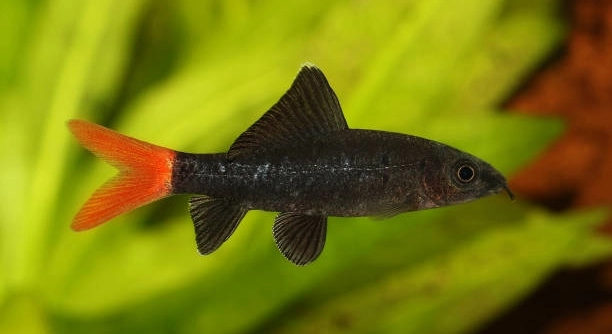
Keeping a Rainbow Shark healthy and happy takes attention and care. Many aquarium owners want to provide the best environment for this active and colorful fish. Knowing the right steps can help avoid common problems and support its well-being.
Rainbow Sharks require clean water, proper tank size, balanced diet, and compatible tank mates to thrive. Maintaining stable water parameters and regular monitoring reduces stress and disease risk, promoting a long and healthy life for these fish in captivity.
Understanding these key care elements helps ensure your Rainbow Shark remains a vibrant and lively addition to your aquarium. The following tips will guide you through essential practices for their health and happiness.
Providing a Suitable Tank Environment
A proper tank environment is essential for keeping a Rainbow Shark healthy. These fish need at least a 30-gallon tank because they are active swimmers and require enough space to move freely. The tank should have a secure lid to prevent jumping. Water quality is also critical—regular water changes and good filtration help maintain clean water. Rainbow Sharks prefer slightly acidic to neutral water, with a temperature between 72 and 79°F (22–26°C). Adding hiding spots like caves and plants reduces stress, as these fish can be territorial. Proper lighting supports plant growth and fish activity but should not be too bright. Testing water regularly ensures parameters stay within a safe range. This environment mimics their natural habitat and keeps them comfortable and healthy over time.
Maintaining water quality prevents illness and supports natural behavior. A stable tank environment reduces stress.
Setting up the right tank takes effort but is crucial for your Rainbow Shark’s well-being. Choosing the correct tank size, keeping the water clean, and providing hiding places all contribute to a thriving fish. Avoid overcrowding by limiting tank mates, as Rainbow Sharks can be territorial. Regular testing of pH, ammonia, nitrites, and nitrates helps detect issues early. Using a quality filter and performing weekly partial water changes keeps the environment stable. Including decorations like smooth rocks and plants gives your fish places to explore and retreat. This setup encourages natural behaviors and reduces aggression. Keeping the tank at the right temperature and lighting also supports overall health. A well-maintained tank creates a balanced and comfortable home for your Rainbow Shark.
Feeding a Balanced Diet
Feeding Rainbow Sharks a balanced diet is essential to their health. They are omnivores and need a variety of foods to thrive. A mix of high-quality pellets, flakes, and live or frozen foods such as bloodworms or brine shrimp works well. Offering vegetables like blanched zucchini or spinach occasionally adds nutrients and fiber. Overfeeding can cause water pollution and health problems, so feed small amounts once or twice daily. Remove uneaten food promptly to keep the tank clean. Feeding habits influence energy levels, coloration, and growth. Consistency in diet supports immune function and reduces stress.
A varied diet supports energy, growth, and color.
Consistent feeding with appropriate portions ensures your Rainbow Shark gets the nutrients it needs without harming water quality. Including live or frozen foods mimics natural foraging and stimulates activity. Vegetables add vitamins and fiber that pellets alone cannot provide. Monitor your fish during feeding to avoid aggression or food competition. Adjust feeding amounts based on activity and tank conditions. This careful approach helps maintain a healthy digestive system and prevents obesity or malnutrition. Feeding routines also create a predictable environment, which can reduce stress. By offering balanced meals regularly, you support your Rainbow Shark’s overall health and vibrant appearance.
Managing Tank Mates
Rainbow Sharks can be territorial, especially with other bottom dwellers. Choosing compatible tank mates helps prevent aggression. Avoid keeping multiple Rainbow Sharks in the same tank unless it is very large. Peaceful fish like tetras, barbs, and danios usually coexist well.
Careful selection of tank mates reduces stress and fighting. Avoid overcrowding the tank to maintain harmony. Monitor interactions and separate fish if aggression occurs to protect your Rainbow Shark and others.
Providing enough hiding spaces and visual barriers can reduce territorial disputes. Avoid slow-moving or long-finned fish that may become targets. Introducing tank mates gradually allows the Rainbow Shark to adjust. Keep an eye on behavior daily. Incompatible companions can lead to stress and injury, so planning your tank community carefully is important. Proper tank size also gives each fish room to establish territory. Maintaining a balanced and peaceful environment encourages healthy relationships and keeps all fish happy.
Regular Health Monitoring
Watch for changes in behavior, appetite, or appearance as signs of health problems. Early detection prevents serious illness. Look for signs like lethargy, spots, or unusual swimming.
Maintaining a regular health check routine helps catch problems early. Quarantine new fish before adding them to the tank to avoid spreading disease. Regularly inspect fins, scales, and gills for abnormalities. Test water parameters often, since poor water quality can cause illness. Keeping the tank clean and stable supports your Rainbow Shark’s immune system. If symptoms appear, research the issue or consult a specialist quickly. Prompt action can prevent disease spread and save your fish. Observing your fish daily is the best way to ensure long-term health.
Maintaining Clean Water
Clean water is vital for Rainbow Sharks. Regular water changes remove toxins and waste that can harm fish. A good filtration system supports water clarity and quality.
Test water weekly for ammonia, nitrite, and nitrate levels. Keeping these parameters in check prevents stress and disease, ensuring a healthy environment for your fish.
Providing Proper Lighting
Proper lighting supports your Rainbow Shark’s natural behavior. Avoid harsh or overly bright lights, which can cause stress. Aim for a balanced light cycle, usually 10 to 12 hours a day.
Natural light patterns help maintain a healthy day-night rhythm. Using a timer ensures consistency, reducing stress and promoting normal activity.
Avoiding Overcrowding
Overcrowding stresses Rainbow Sharks and increases aggression risks. Each fish needs enough space to swim and establish territory. Keep the tank population appropriate for its size.
Proper stocking density reduces waste buildup and maintains water quality, helping your fish stay healthy and active.
FAQ
How often should I feed my Rainbow Shark?
Feeding your Rainbow Shark once or twice a day is usually sufficient. Offer only what they can eat in a few minutes to prevent overfeeding. Uneaten food can pollute the water, causing health problems. Small, frequent meals are better than large portions.
What tank size is best for a Rainbow Shark?
A minimum of 30 gallons is recommended. These fish are active swimmers and need space to move freely. Larger tanks help reduce territorial aggression and provide room for tank mates. Bigger tanks also make it easier to maintain water quality.
Can Rainbow Sharks live with other fish?
Yes, but choose tank mates carefully. Avoid other bottom dwellers or similar-shaped fish that may trigger aggression. Peaceful, mid- to top-level swimmers like tetras and danios work well. Always monitor behavior to prevent conflicts.
How do I know if my Rainbow Shark is stressed?
Signs include hiding excessively, loss of appetite, rapid breathing, or erratic swimming. Stress can result from poor water quality, overcrowding, or incompatible tank mates. Address these factors quickly to improve your fish’s well-being.
What water parameters do Rainbow Sharks prefer?
They thrive in water with a pH between 6.5 and 7.5, temperature between 72°F and 79°F (22°C–26°C), and low ammonia and nitrite levels. Regular testing and water changes help maintain these conditions.
Why is my Rainbow Shark hiding a lot?
Hiding is normal behavior but excessive hiding may indicate stress or illness. Check water quality, tank setup, and tank mates. Providing adequate hiding spots helps, but sudden changes or poor conditions might be causing discomfort.
How long do Rainbow Sharks live?
With proper care, they can live between 5 and 8 years. Good diet, clean water, and stress-free environment increase lifespan. Regular monitoring and quick response to health issues help your fish stay healthy longer.
Can I keep more than one Rainbow Shark together?
It is not recommended unless the tank is very large, as they tend to be territorial. In small or medium tanks, multiple Rainbow Sharks may fight, causing injury. If you want several, ensure plenty of space and hiding places.
What should I do if my Rainbow Shark gets sick?
Isolate the fish in a quarantine tank if possible. Identify symptoms and research appropriate treatment. Common issues include fin rot, parasites, or infections, often caused by poor water quality. Consult a veterinarian or fish specialist if unsure.
How often should I clean the tank?
Perform partial water changes of about 20-30% weekly. Clean filter media gently to preserve beneficial bacteria. Remove debris and uneaten food regularly. Avoid cleaning everything at once to prevent harming the biological balance.
Is it necessary to use a heater in the tank?
Yes, because Rainbow Sharks prefer stable temperatures between 72°F and 79°F. Room temperature varies, so a heater ensures consistent warmth. Sudden temperature changes can stress fish and weaken their immune system.
What plants are good for a Rainbow Shark tank?
Hardy plants like Java fern, Anubias, and Amazon sword are good choices. They tolerate the fish’s occasional digging and provide hiding spots. Plants improve water quality by absorbing nitrates and adding oxygen.
How do I prevent aggression in my tank?
Provide enough space, hiding spots, and compatible tank mates. Avoid overcrowding and keep the environment stable. Monitor fish behavior regularly and separate aggressive individuals if necessary.
Can Rainbow Sharks breathe air?
No, they rely on gills to extract oxygen from water. Maintaining proper aeration and water quality is essential for their health. Lack of oxygen can cause stress and lead to illness.
Are Rainbow Sharks good for beginners?
They require some experience because of their territorial nature and need for good water quality. Beginners should be ready to maintain a stable environment and understand fish behavior to keep them healthy.
This FAQ covers common concerns to help maintain a healthy and happy Rainbow Shark. Following these guidelines supports your fish’s well-being and improves your aquarium experience.
Final thoughts on caring for your Rainbow Shark focus on maintaining consistency and attention to detail. These fish require a well-maintained tank with clean water, proper temperature, and enough space to swim freely. Ensuring that their environment is stable helps prevent stress and illness. Regular water changes and testing for ammonia, nitrites, and nitrates are important parts of tank upkeep. A good filtration system supports a healthy habitat by removing waste and keeping the water clear. Providing hiding places and appropriate tank mates helps reduce territorial behavior and aggression. All these factors together create a balanced environment where your Rainbow Shark can thrive.
Feeding your Rainbow Shark a varied and balanced diet is another key part of care. These fish need a mix of quality pellets, flakes, and occasional live or frozen foods to get the nutrients they require. Including vegetables like blanched spinach or zucchini adds fiber and vitamins. Overfeeding should be avoided, as uneaten food can harm water quality and lead to health issues. Feeding small amounts once or twice daily works best. Observing your fish during feeding times allows you to notice changes in appetite or behavior, which can signal potential problems early on.
Health monitoring and timely action are also critical. Watching for signs like changes in swimming, appetite, or appearance can help catch illness before it worsens. Quarantining new fish before introducing them to the main tank prevents disease spread. Avoid overcrowding, maintain clean water, and provide a calm environment to reduce stress. When problems arise, quick intervention and research on treatment options improve recovery chances. Taking care of these details ensures your Rainbow Shark remains healthy and active for years. With proper care, this striking fish can be a rewarding and lively addition to your aquarium.

Hello,
If you enjoy the content that we create, please consider saying a "Thank You!" by leaving a tip.
Every little bit helps us continue crafting quality advice that supports the health, happiness, and well-being of pets around the world, for pets of all shapes, sizes, and species.
We really appreciate the kindness and support that you show us!