
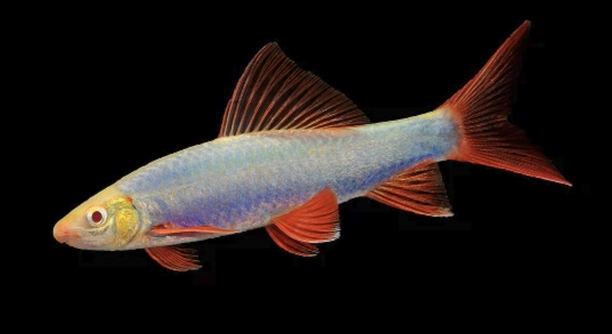
Is your rainbow shark staying in one spot more than usual or moving in ways that seem off from its normal routine?
The most common reason your rainbow shark isn’t swimming normally is due to stress caused by poor water conditions or territorial conflicts. Inadequate tank space, aggressive tank mates, or sudden environmental changes can also affect its behavior.
Identifying the cause will help you create a safe, healthy environment and improve your rainbow shark’s quality of life in the aquarium.
Poor Water Quality
Rainbow sharks need clean, stable water to stay active and healthy. When ammonia, nitrites, or nitrates build up, they may become sluggish or hide more than usual. Sudden changes in pH or temperature also affect their movement. Dirty tanks stress fish and weaken their immune systems, increasing the risk of illness. Using a reliable test kit and changing water regularly can help maintain safe conditions. Rainbow sharks are sensitive to even small changes, so keeping the water consistent is important. Uneaten food, overcrowding, or infrequent water changes can quickly make the tank unsafe. Always monitor your filter and avoid overfeeding.
Consistently poor water quality makes it hard for your rainbow shark to swim normally. It might rest on the bottom, move slowly, or seem uninterested in its surroundings.
Daily observation and regular water tests will help you catch issues early. A well-maintained tank encourages natural swimming patterns and improves your fish’s overall behavior.
Aggression From Tank Mates
Rainbow sharks are territorial and may be bullied or become aggressive themselves, especially in smaller tanks. Constant chasing or nipping can cause abnormal swimming, hiding, or even injury.
Avoid placing rainbow sharks with similar-looking or bottom-dwelling fish, like red tail sharks or loaches. These fish often compete for the same space, leading to tension. A stressed rainbow shark may swim erratically or stay motionless. Providing more hiding spaces and visual barriers can reduce conflict. Rainbow sharks do best in tanks with peaceful species that do not challenge them. Keep only one rainbow shark per tank unless you have significant space to separate their territories. A minimum of 55 gallons is recommended for one adult. Monitoring behavior and rearranging tank decor can break territorial patterns. When done correctly, these steps help the rainbow shark feel safe and swim normally again. Proper tank mate selection makes a big difference in your fish’s comfort and activity levels.
Illness or Infection
When a rainbow shark is sick, it often becomes less active and may swim irregularly or isolate itself. Common signs include clamped fins, pale color, and visible spots or sores on the body.
Bacterial or parasitic infections, such as ich or fin rot, can make your rainbow shark feel weak and stressed. These conditions often affect their ability to swim normally. Look for white spots, frayed fins, or changes in eating habits. Treating the tank promptly with the right medication is important. Quarantine the fish if possible, and keep the water extra clean to help it recover faster. Poor diet or injuries can also make a fish more vulnerable to disease. Rainbow sharks rely on a steady routine, so keeping things calm and consistent helps them stay healthy. Acting quickly when signs of illness appear makes a big difference in recovery and behavior.
Some infections affect the swim bladder, causing problems with balance and movement. A fish with swim bladder issues may float awkwardly, sink to the bottom, or struggle to swim upright. These conditions are usually linked to poor nutrition or secondary infections. Overfeeding, constipation, or spoiled food can also be causes. Feeding a varied, high-quality diet helps prevent these problems. Peas (shelled and cooked) can relieve constipation in some cases. Once symptoms appear, isolating the fish and making slow changes in feeding and water quality is recommended. With early treatment, many fish can recover and return to normal swimming patterns.
Lack of Hiding Spaces
A rainbow shark without enough hiding places may feel exposed and stressed, leading to unusual swimming or long periods of inactivity. They need caves, plants, and decorations to feel secure in their territory.
In tanks with open layouts, rainbow sharks may become aggressive or withdrawn. Adding more cover often improves their behavior quickly.
Poor Tank Size
A small tank restricts movement and creates stress for rainbow sharks, who need space to swim freely and claim their territory. Tanks under 50 gallons often lead to aggression, hiding, or erratic swimming. Cramped conditions also make water quality harder to control. Rainbow sharks are active and need room to explore.
Sudden Environmental Changes
Quick shifts in temperature, pH, or lighting may cause your rainbow shark to act differently. Stability is key for their health and comfort.
Why is my rainbow shark hiding most of the time?
Rainbow sharks often hide when they feel stressed or threatened. This can happen due to poor water quality, aggressive tank mates, or lack of proper hiding spots. Hiding is a way for them to protect themselves and feel safer.
If your tank is overcrowded or lacks caves and plants, your rainbow shark may choose to stay hidden. They prefer dark, sheltered areas where they can rest without being bothered. Improving tank conditions and adding more hiding spaces usually encourages them to swim more openly.
How often should I change the water to keep my rainbow shark healthy?
Regular water changes are essential for a rainbow shark’s health. Changing about 20-30% of the water every week helps remove waste and keeps toxins like ammonia and nitrates low. This practice supports good water quality and reduces stress.
It’s important to use a water conditioner to remove chlorine and chloramine from tap water before adding it to the tank. Testing water parameters weekly with a reliable test kit helps maintain a stable environment, which encourages normal swimming behavior.
Can diet affect how my rainbow shark swims?
Yes, diet plays a key role in your rainbow shark’s health and activity level. Feeding a balanced diet rich in protein and nutrients supports strong muscles and energy for swimming. Poor nutrition can cause weakness and irregular movement.
Rainbow sharks enjoy sinking pellets, algae wafers, and occasional live or frozen foods like bloodworms or brine shrimp. Overfeeding or feeding low-quality food can lead to constipation or swim bladder issues. Feeding small amounts once or twice daily and removing uneaten food helps prevent problems.
What tank size is ideal for a rainbow shark?
A minimum tank size of 55 gallons is recommended for one rainbow shark. This allows enough space for swimming and establishing territory. Smaller tanks can cause stress and aggressive behavior, leading to abnormal swimming patterns.
If you want to keep more than one rainbow shark, a larger tank with plenty of hiding spots and visual barriers is necessary to reduce territorial conflicts. A spacious tank also helps maintain stable water conditions, benefiting overall health.
How do I know if my rainbow shark has swim bladder issues?
Swim bladder problems affect a fish’s balance and ability to swim properly. Signs include floating upside down, tilting to one side, or sinking to the bottom without control. The fish may appear lethargic and have difficulty staying upright.
These issues often result from constipation, poor diet, or infections. Feeding peas (shelled and cooked) can sometimes relieve constipation. Maintaining good water quality and a varied diet helps prevent swim bladder problems. Consult a vet or aquatic specialist if symptoms persist.
Can tank mates cause my rainbow shark to swim abnormally?
Yes, aggressive or overly active tank mates can stress your rainbow shark, causing it to swim erratically or hide. Rainbow sharks are territorial and prefer peaceful companions that don’t compete for the same space.
Avoid housing them with similar bottom dwellers like other sharks or loaches. Choose calm fish that occupy different tank levels. Providing enough space and hiding spots reduces stress and promotes natural swimming behavior.
Is lighting important for rainbow shark behavior?
Lighting affects a rainbow shark’s activity and comfort. Too bright or sudden changes in light can cause stress, making the fish hide or swim less. Using dimmable lights or providing shaded areas helps the fish adjust.
A consistent day-night cycle is important. Typically, 8-10 hours of light followed by darkness works well. Sudden light flashes or constant brightness can disrupt their natural rhythm and lead to unusual swimming.
What steps should I take if my rainbow shark suddenly stops swimming normally?
First, check water quality and test for ammonia, nitrites, nitrates, and pH. Poor water conditions are the most common cause of abnormal behavior. Next, observe tank mates and look for signs of aggression or stress.
Examine your fish for signs of illness like spots, frayed fins, or unusual coloring. Consider diet and feeding habits. Improve hiding spaces if needed. If the problem continues, isolate the fish and consult an aquatic vet for possible treatments. Quick action can prevent further health decline.
Taking care of a rainbow shark requires attention to its environment and needs. When a rainbow shark isn’t swimming normally, it usually means something in its tank is causing stress or discomfort. Common reasons include poor water quality, aggressive tank mates, illness, or a lack of proper space and hiding spots. Understanding these factors can help fish owners identify and fix problems early. Maintaining stable water conditions with regular testing and water changes is one of the most important steps. Clean water supports the fish’s health and encourages normal swimming behavior.
Choosing the right tank size and compatible tank mates is also essential. Rainbow sharks need enough room to swim freely and space to establish their territory. Small or overcrowded tanks often lead to stress and aggression, which can affect how the fish behaves. Providing places to hide, such as caves or plants, can reduce stress by giving the fish safe areas to rest. A balanced diet is important too. Feeding high-quality food and avoiding overfeeding help prevent health issues like swim bladder problems, which can cause swimming difficulties. Paying attention to the fish’s diet and behavior regularly can catch problems before they worsen.
Finally, observing your rainbow shark carefully each day will help you notice when something is off. Changes in swimming patterns, color, or activity levels often indicate an underlying problem. Taking quick action to test water, check for illness, or improve tank conditions will improve the fish’s well-being. Rainbow sharks can live long, healthy lives with the right care. Understanding their behavior and needs helps keep them active and comfortable in the aquarium. This knowledge supports both the fish’s happiness and the enjoyment of keeping them.

Hello,
If you enjoy the content that we create, please consider saying a "Thank You!" by leaving a tip.
Every little bit helps us continue crafting quality advice that supports the health, happiness, and well-being of pets around the world, for pets of all shapes, sizes, and species.
We really appreciate the kindness and support that you show us!