
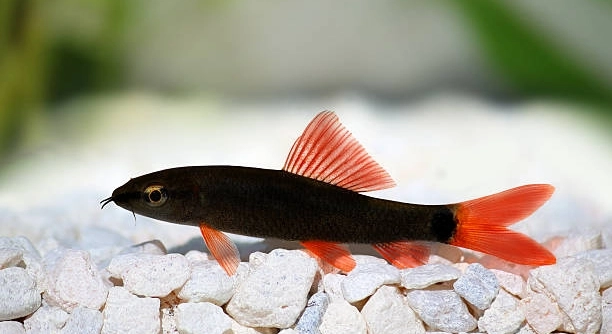
Is your rainbow shark acting differently, swimming less, or hiding more than usual? These changes might point to underlying stress factors in its environment.
Rainbow sharks often become stressed due to issues such as poor water quality, tank overcrowding, lack of hiding spots, or incompatible tank mates. Identifying and resolving these causes promptly can greatly improve their behavior and overall health.
Learning what triggers your rainbow shark’s stress can help you create a peaceful, thriving home for your aquatic companion.
Poor Water Quality
Dirty water stresses rainbow sharks quickly. Ammonia, nitrites, and nitrates can rise fast in a poorly maintained tank. These changes affect their breathing and weaken their immune system. Make sure your filter works properly and do regular water tests. A 25% weekly water change helps keep levels balanced. Test kits can show pH, ammonia, and other readings so you’ll know exactly what needs adjusting. Dechlorinate tap water before adding it to the tank. Keep the temperature stable between 75°F–80°F. Rapid shifts in temperature can upset them. A clean and steady environment keeps your shark healthy and more active.
Even if the water looks clean, it can still be unhealthy. Invisible chemicals often build up, causing harm without obvious signs.
Check the tank’s parameters weekly and clean the filter every two weeks. Always use a gravel vacuum during water changes. This removes uneaten food and waste from the substrate. When buying test kits, choose reliable brands that check for ammonia, nitrite, nitrate, and pH. If you see your shark gasping at the surface or hiding more often, these may be signs that the water needs attention. Consistent maintenance takes just a few minutes each week but makes a big difference in your shark’s well-being.
Overcrowded Tank
Crowded tanks make rainbow sharks feel threatened. They become more territorial and stressed when they don’t have enough room to move freely.
A single rainbow shark needs at least 50 gallons of space. Their aggressive nature grows worse in tight conditions, especially if there are other bottom-dwellers nearby. Adding too many fish to a small tank leads to constant conflict and anxiety for your shark. Stress shows through changes in color, lack of appetite, or skittish swimming. Remove aggressive or incompatible fish if possible, and consider upgrading to a larger tank if space is limited. Choose tank mates that prefer upper levels or are peaceful by nature. Rainbow sharks need their own territory and space to feel safe. Rearranging décor and adding plants or caves can also reduce aggression by breaking up sightlines. Keeping the tank peaceful allows your rainbow shark to swim confidently and stay active.
Lack of Hiding Spots
Rainbow sharks need places to hide to feel safe. Without caves, plants, or decorations, they can become anxious and aggressive toward other fish. Constant exposure leaves them feeling vulnerable, which increases stress and health problems over time.
In their natural habitat, rainbow sharks spend time hiding among rocks and plants. Creating a similar setup in your aquarium helps reduce their stress levels. Add caves, driftwood, and dense plants in different areas of the tank. These elements offer comfort and allow your shark to claim its own space, which helps prevent territorial behavior. Spread out the hiding spots so no single area gets too crowded. Avoid placing all decorations in one corner. When your shark feels secure, you’ll notice improved behavior, more confident swimming, and fewer signs of aggression. Observation after changes is key—if it starts swimming out more, the setup is working well.
Make sure the hiding spaces are large enough for your shark to swim through comfortably. Sharp edges should be avoided, as they can cause injury. Natural rock caves or ceramic decorations work best. Avoid overcrowding the tank with too many items, which can reduce swimming space and create new stress. Aim for balance—security and open space should go hand in hand.
Aggressive Tank Mates
Rainbow sharks are territorial and often don’t mix well with other bottom-dwelling or similarly shaped fish. Aggressive tank mates increase stress and lead to injuries, especially in smaller tanks where space is limited.
When choosing tank mates, focus on peaceful fish that swim in different zones of the tank. Mid-level swimmers like barbs, danios, or rasboras are often good matches. Avoid other territorial fish like red tail sharks, cichlids, or large loaches. If your shark is constantly chasing or being chased, remove the aggressive fish to prevent stress buildup. Rearranging decorations can sometimes reduce conflict by eliminating established territories. Monitor interactions daily—fin nipping, hiding, or color fading are signs of stress. If needed, use a tank divider or relocate incompatible fish. Creating a calm and balanced environment keeps your rainbow shark from becoming overly territorial and promotes better tank harmony overall.
Bright or Inconsistent Lighting
Strong, direct lighting makes rainbow sharks feel exposed and uneasy. Sudden light changes can also startle them and cause erratic swimming. Keep the lighting soft and consistent to help them feel secure in their space.
Use a timer to maintain a steady light cycle—10 to 12 hours of light daily is ideal. Avoid placing the tank near windows, which can lead to glare or temperature shifts.
Inadequate Diet
A poor diet can affect your rainbow shark’s health and behavior. They need a mix of protein-rich foods and plant-based options. Sinking pellets designed for bottom feeders are a great base. Supplement with frozen or live foods like bloodworms or brine shrimp. Add spirulina flakes or blanched vegetables for variety. Feed them once or twice a day in small amounts. Overfeeding leads to poor water quality and stress, while underfeeding causes weakness and aggression. Watch how they eat—if they ignore food or act sluggish, something may be off with the diet or tank conditions. Balanced nutrition supports their immune system and keeps behavior stable.
Frequent Tank Rearrangement
Moving décor or changing the tank setup too often can unsettle your rainbow shark. They rely on familiar surroundings and marked territory, so constant change leads to confusion and stress.
FAQ
How can I tell if my rainbow shark is stressed?
Stressed rainbow sharks often show signs like hiding more than usual, rapid breathing, pale coloration, reduced appetite, or aggressive behavior. You might also notice erratic swimming or sudden darting around the tank. In some cases, they may rest near the bottom or seem unusually inactive. These signs can develop slowly or appear suddenly depending on the cause. Pay attention to small changes in behavior, especially after changes in the tank. Stress may not always be obvious at first, so regular observation helps catch it early. Consistent water testing and a stable tank setup will make changes easier to track.
Can a rainbow shark live with other bottom-dwelling fish?
It depends on the tank size and the type of fish. In smaller tanks, rainbow sharks can become territorial and aggressive toward other bottom dwellers like loaches, plecos, or other sharks. A tank of at least 50 gallons is necessary to reduce conflict. Even then, it’s best to avoid fish that look similar in shape or color. If you want to try bottom-dwellers, choose peaceful and fast-moving species, and provide plenty of hiding spots and broken sightlines. Monitor their behavior closely, especially during the first few weeks after introduction. If you notice chasing or nipping, the tank may be too small or too crowded.
What’s the best temperature for a rainbow shark?
The ideal temperature for a rainbow shark is between 75°F and 80°F (24°C to 27°C). Water that’s too cold can weaken their immune system, while overly warm water can reduce oxygen levels and cause stress. Use a reliable aquarium heater and thermometer to keep the temperature steady. Avoid placing the tank near windows or vents, as these can cause sudden fluctuations. Stability is key—sudden changes, even within the safe range, can lead to stress. If the tank is large, place the heater near the water flow to distribute heat evenly. Always adjust temperature slowly if you need to make a change.
Can rainbow sharks be kept in groups?
No, rainbow sharks are best kept alone unless you have a very large tank, typically 100 gallons or more. They are territorial by nature, especially with their own kind or similar species. Keeping multiple rainbow sharks in a smaller tank often leads to chasing, injuries, or even death. If you want to try more than one, it should be in a spacious setup with plenty of hiding spots and clear boundaries. However, even in large tanks, aggression may still happen. Most hobbyists keep just one per tank to avoid conflict and ensure the shark feels secure.
How often should I feed my rainbow shark?
Feed your rainbow shark once or twice a day, offering only what it can eat within two to three minutes. Overfeeding leads to uneaten food, which worsens water quality and adds stress. Stick to a balanced diet with sinking pellets, frozen or live protein sources, and some vegetable content like spirulina or blanched spinach. Varying their diet supports health and keeps them interested in food. Avoid large portions or feeding just one type of food. It’s also good to skip feeding one day per week to help with digestion and maintain water quality.
Do rainbow sharks need plants in their tank?
Plants help rainbow sharks feel safe and secure. While they aren’t necessary for survival, plants create visual barriers and reduce stress. Use a mix of tall plants and low-cover plants to provide shaded spots and hiding places. Live plants also improve water quality by absorbing nitrates and adding oxygen. Choose sturdy varieties like Java fern, Anubias, or Amazon sword that can handle light nibbling or the shark’s movement. Plastic plants are also fine, but avoid sharp edges. Adding plants gives your shark places to rest and hide, which encourages calmer, more natural behavior in the tank.
Why is my rainbow shark hiding all the time?
Constant hiding can be a sign of stress. Common causes include poor water quality, bright lighting, aggressive tank mates, or a lack of hiding places. Check the water parameters and look for signs of bullying from other fish. If the tank is well-maintained and peaceful, hiding may simply be your shark’s way of feeling secure. Some sharks are naturally shy, especially when first introduced to a new environment. Try rearranging the tank to add more décor and shaded areas. Once they feel more comfortable, they’ll likely become more active and visible throughout the day.
Can rainbow sharks jump out of the tank?
Yes, rainbow sharks can jump, especially if they’re startled or the water conditions are poor. Always use a secure tank lid or cover to prevent accidents. Make sure the lid has no large gaps near the filter or corners. Jumping is often a sign that something isn’t right—check the water quality, temperature, and tankmates. A peaceful and stable tank environment greatly reduces the risk of jumping. Adding floating plants or dim lighting can also help calm anxious fish. A secure lid not only prevents escapes but also keeps dust and debris out of the tank.
Final Thoughts
Rainbow sharks are unique and active freshwater fish, but they can become stressed when their environment doesn’t meet their needs. Their behavior changes quickly in response to things like poor water quality, tank overcrowding, or unsuitable tank mates. Even small issues, such as bright lighting or the lack of hiding spots, can have a big effect on their mood and health. That’s why it’s so important to watch for signs of stress and make adjustments as soon as possible. A calm, clean, and stable tank helps rainbow sharks feel more secure, swim more freely, and stay healthy over time.
Caring for a rainbow shark takes attention and consistency. You don’t need expensive equipment or advanced skills, but you do need to understand the basic needs of this species. Regular water changes, a properly sized tank, and peaceful tank mates go a long way in preventing stress. Feeding a balanced diet, keeping the lighting consistent, and creating a tank layout that includes enough space and shelter also play a big role. Once you set up a healthy routine and stick with it, the risk of stress decreases and your rainbow shark can thrive. Observing your fish closely is helpful—small changes in behavior often give early clues that something is off.
If your rainbow shark does show signs of stress, try to identify the issue calmly and make one change at a time. Avoid sudden changes that could add more pressure. Let your shark adjust slowly and keep things stable. Over time, you’ll learn what works best for your tank setup. Remember that every fish is a little different—some are more territorial or shy than others. Being patient and providing a calm environment is key. A relaxed rainbow shark will be more active, show richer color, and interact more naturally with its surroundings. By meeting their needs, you can enjoy a healthy, balanced tank and build a peaceful space for your rainbow shark to live comfortably.

Hello,
If you enjoy the content that we create, please consider saying a "Thank You!" by leaving a tip.
Every little bit helps us continue crafting quality advice that supports the health, happiness, and well-being of pets around the world, for pets of all shapes, sizes, and species.
We really appreciate the kindness and support that you show us!