
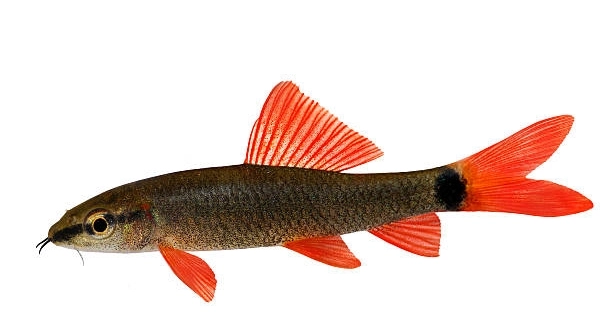
Rainbow Sharks are popular aquarium fish known for their unique colors and peaceful nature. Many people enjoy keeping them, but feeding these fish can sometimes be tricky. Understanding their eating habits is important for their health.
Rainbow Sharks often face issues like picky eating, overfeeding, or stress-related appetite loss. These problems can lead to poor nutrition and affect their growth, making it essential to recognize and manage their feeding behavior properly.
Learning about common feeding challenges helps ensure your Rainbow Shark stays healthy and active in your tank. This article will guide you through the typical problems and how to handle them effectively.
Picky Eating Habits
Rainbow Sharks can sometimes be very selective about what they eat. They may ignore certain foods or only eat at specific times, which can worry owners. This behavior often happens when they feel stressed or their tank environment isn’t quite right. Offering a variety of foods like flakes, pellets, and live or frozen treats can help. It’s important to observe their reactions and adjust their diet accordingly. Keeping their tank clean and providing hiding spots reduces stress and encourages better eating habits. Patience is key because changes don’t always show immediately. Over time, you’ll notice what your fish prefers and when it is most comfortable feeding. Regular feeding times also create a routine that Rainbow Sharks respond well to. Monitoring their feeding closely helps prevent nutritional problems and keeps them lively. Avoid sudden changes in diet to prevent refusal of food.
Picky eating can cause Rainbow Sharks to miss out on nutrients needed for growth. Ensuring a balanced diet with different options helps maintain their health and vitality.
Varied feeding strategies support their well-being by preventing boredom and nutritional deficiencies. By understanding their preferences and environment, feeding becomes easier, and your Rainbow Shark stays happier and healthier.
Overfeeding Risks
Overfeeding is a common issue that can harm Rainbow Sharks. Giving too much food leads to leftover waste, which pollutes the water. This can cause poor water quality, stressing the fish and increasing illness risk. It also results in obesity, affecting their swimming ability and overall health. Feeding small amounts once or twice daily is best. Observing how much your fish eats and removing excess food helps maintain tank cleanliness. Use a feeding schedule to avoid guessing, and avoid feeding scraps or human food. Healthy feeding habits improve water conditions and help your Rainbow Shark thrive. Regular tank maintenance, including water changes and filter cleaning, supports this process. Proper feeding balance reduces health problems and extends your fish’s life.
Careful portion control keeps the tank clean and Rainbow Sharks healthy. Less waste means better water quality and less stress for your fish.
Maintaining this balance requires attention and consistency. Over time, you’ll get a clear sense of how much your Rainbow Shark needs, leading to a more enjoyable experience for both of you.
Feeding Time Stress
Rainbow Sharks can become stressed during feeding if the tank is overcrowded or if there is too much competition for food. This stress can cause them to eat less or act aggressively.
Stress during feeding lowers appetite and affects digestion. When other fish rush to grab food, Rainbow Sharks may feel threatened or pushed aside. They might hide or refuse to eat, which leads to poor nutrition. Providing enough space and hiding spots helps reduce stress. Feeding in multiple spots or separately can ensure the Rainbow Shark gets its share. Keeping the tank peaceful during feeding times supports their health and improves their willingness to eat regularly.
Minimizing stress through tank setup and feeding methods encourages consistent eating. A calm environment promotes better feeding habits and supports overall well-being.
Inconsistent Feeding Schedule
Rainbow Sharks thrive on routine and may refuse food if feeding times are irregular. Consistent schedules help maintain their appetite and digestion.
Feeding Rainbow Sharks at the same time daily builds trust and habit. Irregular feeding confuses them, leading to missed meals or overeating when food is suddenly available. A predictable schedule reduces anxiety and promotes a healthy appetite. It also helps monitor how much your fish eats each day. Using timers or reminders keeps feeding regular, especially when busy. Consistency supports digestion and nutrient absorption, preventing digestive issues caused by erratic eating habits.
Keeping a stable feeding routine improves your fish’s health and behavior. It creates a dependable rhythm that Rainbow Sharks respond well to, making care easier and more rewarding.
Food Preference Changes
Rainbow Sharks may suddenly change what they like to eat. This shift can be confusing but is often normal.
Changes in preference can happen due to health, age, or tank conditions. Offering different foods helps keep their diet balanced and interesting.
Difficulty Eating Certain Foods
Some Rainbow Sharks struggle with certain types of food, especially large or hard pellets. This can reduce their intake and cause frustration. Choosing smaller, softer food options or soaking pellets before feeding can make eating easier and improve nutrition.
Feeding at Night
Rainbow Sharks are more active at night and often prefer to feed then. Offering food in the evening or after lights go off matches their natural habits and encourages better eating behavior. Feeding times aligned with their activity levels support their overall health and well-being.
What should I feed my Rainbow Shark?
Rainbow Sharks thrive on a varied diet. They eat flakes, pellets, frozen or live foods like bloodworms, brine shrimp, and daphnia. Including vegetables like blanched zucchini or peas can also be beneficial. A balanced diet ensures they get all the nutrients they need to stay healthy and active.
How often should I feed my Rainbow Shark?
Feeding once or twice a day is ideal. Small portions prevent overfeeding and keep the tank clean. Watch your fish to see how much it eats in a few minutes, then adjust the amount accordingly. Consistent feeding times help maintain their appetite and digestion.
Why is my Rainbow Shark not eating?
Loss of appetite can happen due to stress, illness, or poor water conditions. Check the tank’s temperature, cleanliness, and look for signs of disease. Stress from aggressive tank mates or recent changes can also cause them to refuse food. Improving their environment often brings back their appetite.
Can I feed my Rainbow Shark human food?
It’s best to avoid human food. Many foods can harm fish or cause digestive problems. Stick to foods made for aquarium fish or natural live and frozen options. If you want to treat your fish, use fish-safe options recommended by aquarium experts.
What happens if I overfeed my Rainbow Shark?
Overfeeding leads to leftover food, which pollutes the water and stresses your fish. It can cause obesity and health issues. Uneaten food breaks down, increasing ammonia levels and risking diseases. Feeding only what your fish consumes quickly helps prevent these problems.
How do I know if my Rainbow Shark is stressed during feeding?
Signs include hiding, refusing food, or acting aggressively toward other fish. Stress often results from overcrowding, poor water quality, or tank mates competing for food. Creating a calm feeding environment with plenty of space and hiding spots reduces stress and improves eating habits.
Is it normal for my Rainbow Shark to eat more at night?
Yes, Rainbow Sharks are naturally more active in low light or at night. Feeding them during these times often results in better eating. You can feed them after lights are off to match their natural behavior, which supports their health and well-being.
Can feeding pellets cause problems?
Some Rainbow Sharks have trouble with large or hard pellets. These can be difficult to chew or digest. Soaking pellets before feeding softens them and helps prevent swallowing issues. Using smaller pellets or mixing with other food types keeps their diet easier to eat and more balanced.
How do I encourage a picky Rainbow Shark to eat?
Offer a variety of foods and try feeding at different times. Live or frozen foods are often more appealing. Reducing tank stress by providing hiding spots and reducing competition also helps. Patience is important; it may take time for them to accept new foods.
Should I remove uneaten food after feeding?
Yes, removing uneaten food after 5-10 minutes prevents water pollution. Leftover food decomposes and lowers water quality, which harms your fish. Using a feeding schedule and feeding smaller amounts minimizes waste and keeps the tank cleaner.
Taking care of Rainbow Sharks means paying close attention to their feeding habits. These fish can be sensitive to changes in their environment and diet, so understanding common problems is important. Issues like picky eating, overfeeding, or stress during feeding are typical but manageable with the right approach. Providing a balanced diet that includes a mix of flakes, pellets, and live or frozen foods helps meet their nutritional needs. It’s also helpful to observe their behavior regularly to spot any changes early, which can prevent bigger health problems. Feeding them at consistent times and in appropriate amounts supports their digestion and overall well-being.
Creating a calm and comfortable tank environment is just as important as the food itself. Rainbow Sharks can become stressed if the tank is overcrowded or if there is too much competition for food. Stress can cause them to eat less or act aggressively, which can hurt their health. Adding hiding spots and making sure the tank is clean can reduce stress and encourage better feeding habits. Feeding in multiple spots or during times when the tank is quieter can also make a difference. These small adjustments can improve your fish’s appetite and help them stay healthy longer.
In the end, patience and observation are key when managing your Rainbow Shark’s feeding habits. These fish may take time to adjust to new foods or schedules, but consistency will help them feel secure. Avoid overfeeding and keep an eye on water quality to create the best possible environment for your fish. With the right care, your Rainbow Shark can enjoy a healthy diet and thrive in its tank. Paying attention to their needs not only improves their health but also makes caring for them a more rewarding experience.

Hello,
If you enjoy the content that we create, please consider saying a "Thank You!" by leaving a tip.
Every little bit helps us continue crafting quality advice that supports the health, happiness, and well-being of pets around the world, for pets of all shapes, sizes, and species.
We really appreciate the kindness and support that you show us!