
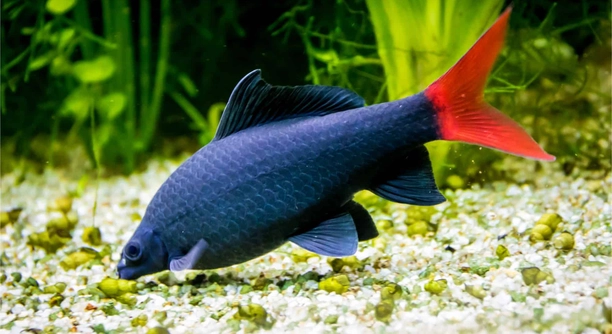
Rainbow sharks are popular freshwater fish known for their bright colors and active behavior. When these fish begin mating, their actions can change, sometimes causing concern for their owners. Understanding these changes helps maintain a healthy aquarium environment.
Rainbow sharks display specific behaviors during mating, such as increased territoriality and chasing. Providing ample space, hiding spots, and proper water conditions reduces stress and supports successful breeding while minimizing aggression and damage.
Knowing how to manage your rainbow shark during this time ensures a peaceful tank and healthier fish overall. This article offers practical tips to guide you through their mating phase.
Recognizing Mating Behavior in Rainbow Sharks
Rainbow sharks become more active and territorial when mating. You may notice chasing between fish or sudden bursts of swimming around the tank. Males especially may guard certain areas or show more aggressive behavior than usual. Sometimes, they nip at other fish or flare their fins. This is a natural part of their mating instinct but can cause stress for both the rainbow sharks and their tank mates if the space is limited or hiding spots are not available.
Watching these behaviors closely helps you understand when your fish are mating and when intervention might be needed.
Creating a calm environment with enough room and cover reduces tension. This balance keeps your fish healthy and lowers the risk of injury during these times.
Preparing the Aquarium for Mating
Setting up the tank properly is important before your rainbow sharks start mating. A tank size of at least 30 gallons is ideal to give them room to swim and avoid fights. Adding plenty of plants and hiding places like rocks or decorations helps break lines of sight and offers refuge. Water quality must be excellent—keep temperature around 75–80°F and ensure good filtration and oxygenation. Regular water changes also keep conditions stable. Feeding your fish nutritious food daily strengthens their health and increases the chances of successful mating. Avoid overcrowding the tank, as this increases stress and aggression, which can harm your fish and their offspring. Taking these steps creates a safe space that supports natural behavior and improves the well-being of your rainbow sharks.
Managing Aggression During Mating
Aggression is common among rainbow sharks when mating. They may chase or nip at each other and other tank mates, which can lead to stress or injury.
To manage aggression, separate overly aggressive individuals if possible. Rearranging the tank decorations can also help by breaking established territories, reducing conflicts. Providing multiple hiding spots encourages fish to retreat when stressed. Monitor the fish daily and act quickly if wounds appear. Increasing water flow or adding a gentle filter can distract them, helping to calm their behavior. Maintaining good water quality lowers overall stress, making aggressive outbreaks less frequent. If aggression becomes extreme, consider temporarily moving one shark to another tank until things settle. These steps keep the aquarium peaceful and protect all the fish during mating periods.
Feeding and Nutrition During Mating
During mating, rainbow sharks need a balanced diet to stay healthy and strong. Offering a mix of high-quality flakes, pellets, and live or frozen foods like bloodworms or brine shrimp supports their energy needs. Feeding small amounts multiple times a day helps keep their metabolism steady and reduces competition for food, which can trigger aggression. Avoid overfeeding, as leftover food can foul the water, causing stress. Good nutrition not only supports mating behaviors but also improves recovery from any minor injuries. Keep observing your fish’s appetite and adjust feeding amounts as needed. Providing proper nutrition ensures your rainbow sharks remain vibrant and ready for breeding.
Observing Spawning Behavior
Spawning usually happens near flat surfaces or plants. Males chase females, nudging them to lay eggs. After eggs are laid, they often stick to surfaces, and males may guard the area.
Keep an eye on these spots to monitor egg laying and protect them from other fish that might eat the eggs.
Separating Parents from Eggs
Removing adult rainbow sharks from the breeding tank after spawning is important. Adults sometimes eat their own eggs, reducing survival rates. Use a breeding net or transfer the eggs to a separate tank with similar water conditions. This step improves the chance of the eggs hatching and the fry surviving. Gentle care during this process is key to avoid damage to the eggs.
Caring for Fry
Fry require clean water and frequent small feedings. Start with infusoria or specially prepared fry food, gradually moving to baby brine shrimp as they grow.
Cleaning Up After Mating
Remove leftover eggs and debris to maintain water quality. This prevents fungus and keeps the tank healthy for all fish.
FAQ
Why is my rainbow shark chasing other fish during mating?
During mating, rainbow sharks become more territorial and protective of their chosen space. This chasing behavior is a natural way for males to assert dominance and attract females. It can also serve to keep potential rivals or threats away. While it is normal, excessive chasing can stress tank mates, so providing enough space and hiding spots is important to reduce tension in the aquarium.
How can I tell if my rainbow shark is ready to mate?
Signs that a rainbow shark is ready to mate include increased activity and territorial displays. Males will often brighten in color and become more aggressive. You might also see them rubbing against surfaces or chasing females gently. These behaviors indicate breeding readiness and usually happen when the fish are healthy and the tank conditions are ideal.
Do rainbow sharks need a special breeding tank?
A separate breeding tank is recommended to protect eggs and fry from adult fish, including the parents. It should have clean, well-oxygenated water with hiding spots for the young fish once they hatch. The tank size should be appropriate to avoid overcrowding, and water parameters should match those of the main tank to reduce stress during transfer.
How long does it take for rainbow shark eggs to hatch?
Rainbow shark eggs typically hatch within 3 to 5 days after being laid, depending on water temperature. Warmer water speeds up development but should remain stable to prevent shock. It’s important to keep the eggs clean and free of fungus by maintaining good water quality and possibly using antifungal treatments safe for fish eggs.
What should I feed rainbow shark fry?
Fry need very small, nutritious food to grow properly. Initially, infusoria or liquid fry food works well, as these tiny organisms are easy for the fry to eat. As they grow, you can introduce baby brine shrimp or finely crushed flakes. Feeding small amounts several times a day helps maintain steady growth and avoids fouling the water.
Can adult rainbow sharks harm the fry?
Yes, adult rainbow sharks may eat their own eggs or young fry if left together. This behavior is common in many fish species. Separating the adults from the eggs or fry helps improve survival rates. Providing plenty of hiding spaces and plants can sometimes protect the fry, but a dedicated breeding tank is the safest method.
What water conditions are best for rainbow shark breeding?
Ideal water temperature for breeding is between 75°F and 80°F, with a slightly acidic to neutral pH of 6.5 to 7.5. Good filtration and oxygenation are crucial. Consistent water changes maintain quality and reduce stress. Stable conditions encourage natural mating behavior and improve egg development.
How often should I change water during breeding?
During breeding, frequent water changes help keep the environment clean and reduce the risk of fungus on eggs. Changing 10-20% of the water every two to three days is usually sufficient. Be careful to match the new water temperature and chemistry closely to avoid shocking the fish or eggs.
Is it normal for rainbow sharks to become aggressive after mating?
Increased aggression after mating is common. Males may continue to guard their territory or show dominance to protect their eggs. This behavior typically decreases once the eggs hatch or the fry are removed. Managing tank space and providing hiding spots helps reduce stress caused by aggression.
How do I prevent fungus on rainbow shark eggs?
Maintaining clean water with good circulation helps prevent fungus growth. Some aquarists use antifungal medications safe for fish eggs, but these should be used carefully. Removing unfertilized or damaged eggs also reduces the chance of fungus spreading. Regular monitoring and gentle water changes support healthy egg development.
Final thoughts on managing your rainbow shark during mating focus on understanding their natural behavior and creating a supportive environment. Rainbow sharks are active and sometimes aggressive when they breed. This is normal and part of their instinct. However, it can be stressful for both the fish and their tank mates if not handled properly. Providing enough space, hiding spots, and maintaining good water quality helps reduce conflicts and supports healthy mating habits. Watching your fish carefully during this time is important to catch any signs of injury or illness early.
Taking simple steps like preparing the tank ahead of time and knowing how to care for eggs and fry can make a big difference. When rainbow sharks lay eggs, separating the adults from the eggs improves the chance of survival. Feeding the fish well during this period keeps them strong. Proper nutrition also helps the fry grow once they hatch. Keeping the water clean and stable supports the health of all your fish. Even small changes in temperature or water quality can cause problems during mating, so consistency is key.
Remember, patience is essential. Mating can take time, and every fish behaves differently. Aggression and chasing may worry you at first, but with the right care, it will pass. Maintaining calm and controlled tank conditions benefits both the rainbow sharks and other fish in the aquarium. When done well, you can enjoy watching your fish breed and grow in a safe environment. Paying attention to their needs during mating will help keep your aquarium balanced and your fish healthy over the long term.

Hello,
If you enjoy the content that we create, please consider saying a "Thank You!" by leaving a tip.
Every little bit helps us continue crafting quality advice that supports the health, happiness, and well-being of pets around the world, for pets of all shapes, sizes, and species.
We really appreciate the kindness and support that you show us!