
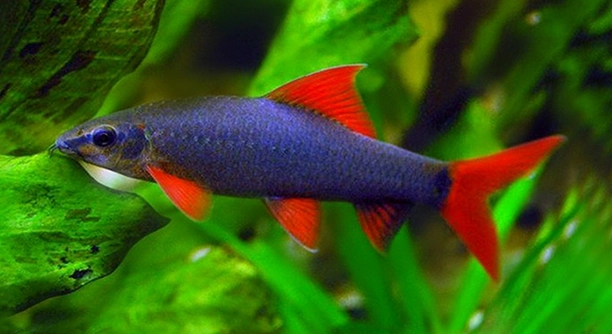
Rainbow sharks are popular freshwater fish known for their striking colors and active nature. Many aquarists enjoy keeping them in community tanks but face challenges in ensuring harmony among tankmates. Compatibility plays a key role in maintaining a peaceful aquarium environment.
Rainbow shark tankmate compatibility depends on selecting species with similar temperaments and environmental needs. Aggressive or territorial fish can provoke stress, while peaceful species promote coexistence. Proper tank size and hiding spots further support balanced interactions among inhabitants.
Understanding compatibility will help you create a thriving community tank. These tips offer practical advice for maintaining peace and health in your aquarium.
Choosing Compatible Tankmates for Rainbow Sharks
Selecting the right fish to share a tank with your rainbow shark is important. Rainbow sharks can be territorial, especially in smaller tanks. Fish that are too passive may be bullied, while overly aggressive fish might provoke fights. Ideal companions are medium-sized, non-aggressive species that occupy different levels of the tank. Examples include certain types of tetras, barbs, and catfish. Avoid fish with long fins, as rainbow sharks may nip at them. Ensuring similar water parameters for all fish will help maintain their health. Hiding places and decorations in the tank provide shelter, reducing stress and territorial disputes. When choosing tankmates, always research their temperament and environmental needs. This careful selection keeps the aquarium peaceful and balanced.
Tank size influences compatibility significantly. A larger tank allows more space for all fish to establish their own territory, reducing conflicts.
Compatibility depends not only on temperament but also on providing enough space and environmental enrichment to meet the needs of all tank inhabitants.
Managing Territorial Behavior
Rainbow sharks may defend their territory vigorously, especially as they grow. This behavior is natural and tied to their instinct to secure food and shelter. Providing multiple hiding spots and visual barriers helps limit direct confrontations. Rearranging decorations periodically can also reduce established territories, preventing aggression. Feeding fish at different locations lessens competition and stress. Tankmates should be robust enough to handle occasional chasing but peaceful enough to avoid escalating fights. Monitoring fish behavior regularly allows early intervention if aggression increases. Separating overly aggressive individuals may be necessary to protect more vulnerable tankmates. Understanding and managing territorial behavior improves harmony in the tank, promoting a healthier environment for all species involved.
Feeding Habits and Tankmate Interaction
Feeding time can be a source of conflict if not managed well. Rainbow sharks are bottom feeders but can be aggressive when food is scarce.
Providing a balanced diet suited to rainbow sharks and their tankmates is essential. Use sinking pellets for the sharks and flakes or pellets for other species. Feed at different locations to reduce competition. Overfeeding can pollute the water and stress fish, so measure portions carefully. Observing feeding behavior helps identify if some fish are being bullied away from food. Adjust feeding strategies accordingly to ensure all tankmates receive proper nutrition without tension.
Some tankmates may require specialized diets, so compatibility includes considering feeding needs. A well-planned feeding routine supports peaceful coexistence and good health in the aquarium.
Tank Setup for Harmony
Proper tank setup minimizes conflicts among rainbow sharks and their companions. Provide plenty of hiding spots using rocks, plants, and decorations. This creates natural boundaries and reduces territorial disputes. Include open swimming areas to meet the active nature of rainbow sharks.
Use live plants or sturdy artificial ones to enhance shelter and improve water quality. Substrate choice should accommodate bottom dwellers, avoiding sharp gravel that could injure fish. Regular maintenance keeps water parameters stable, which is crucial for all species’ well-being. Lighting should mimic natural cycles to reduce stress. Proper tank design balances space, shelter, and water quality, fostering a peaceful, healthy community environment.
Monitoring Fish Behavior
Regular observation helps catch signs of stress or aggression early. Watch for unusual hiding, chasing, or changes in eating habits. Early detection allows timely adjustments to improve tank harmony.
Keep a close eye during feeding and interaction times. Noticing small changes prevents bigger conflicts and health issues later.
Water Quality Maintenance
Maintaining stable water conditions is vital for rainbow sharks and their tankmates. Frequent water changes, proper filtration, and monitoring pH, ammonia, and nitrate levels keep fish healthy. Sudden fluctuations cause stress and increase disease risk.
Consistent water quality supports immune systems and reduces territorial disputes linked to discomfort or illness. Investing time in tank care pays off with a balanced, thriving community.
Selecting Compatible Temperaments
Rainbow sharks prefer tankmates with calm but confident temperaments. Avoid overly timid or highly aggressive fish to reduce stress and fighting.
Balanced temperaments promote smoother social interactions and a more peaceful aquarium environment.
FAQ
What tank size is best for keeping rainbow sharks with other fish?
Rainbow sharks need space to swim and establish territories. A tank of at least 55 gallons is recommended when keeping multiple fish together. Smaller tanks increase aggression due to limited territory. Larger tanks help reduce conflicts by giving each fish enough room and hiding spots to avoid constant confrontation.
Can rainbow sharks live with goldfish or other coldwater species?
Rainbow sharks are tropical fish and require warm water between 72°F and 79°F. Goldfish prefer cooler water, so they are not compatible tankmates. Mixing tropical and coldwater fish leads to health problems and stress. It’s best to keep rainbow sharks with other tropical species that share similar temperature needs.
Why do rainbow sharks sometimes nip at other fish?
Nipping is often a sign of territorial behavior or stress. Rainbow sharks may nip fins of slower or long-finned fish to establish dominance or defend their space. Overcrowding, lack of hiding spots, or poor water quality can increase this behavior. Providing adequate space and environment can reduce nipping incidents.
Are rainbow sharks aggressive by nature?
Rainbow sharks are semi-aggressive. They defend their territory but generally do not attack without provocation. Aggression increases in smaller tanks or if tankmates invade their space. Keeping compatible fish and offering hiding areas helps manage their territorial nature.
What are good tankmates for rainbow sharks?
Good tankmates include peaceful, fast-swimming fish that occupy different areas of the tank, like tetras, barbs, and some catfish species. Avoid slow-moving or long-finned fish prone to fin nipping. Bottom dwellers that are not too aggressive also make good companions if the tank is large enough.
How can I reduce aggression between rainbow sharks and their tankmates?
Increase tank size to provide enough space. Add decorations and plants to create hiding spots and visual barriers. Feed fish in multiple areas to reduce competition. Rearranging tank layout occasionally prevents fish from setting permanent territories. Monitoring fish behavior regularly helps detect aggression early.
What diet should I feed rainbow sharks and their tankmates?
Rainbow sharks eat sinking pellets, algae wafers, and occasional live or frozen foods like bloodworms. Tankmates often eat flakes or pellets that stay near the surface. Feeding a varied diet ensures all fish receive proper nutrition. Avoid overfeeding, which can cause water quality issues.
Can rainbow sharks live in community tanks?
Yes, if tank conditions are right. Compatibility depends on choosing peaceful fish, providing adequate space, and maintaining water quality. Rainbow sharks thrive in community tanks when their territorial instincts are managed carefully.
How often should I clean the tank with rainbow sharks?
Perform partial water changes of 20-30% weekly to maintain water quality. Clean filters regularly but avoid disturbing beneficial bacteria. Keeping the tank clean reduces stress and disease, supporting peaceful interactions among fish.
Do rainbow sharks need hiding places?
Yes, hiding places help reduce stress and aggression. Rocks, plants, and decorations create safe zones for rainbow sharks and other fish. Multiple hiding spots allow fish to escape confrontations and rest. This promotes a balanced tank environment.
What water parameters are ideal for rainbow sharks?
Maintain temperature between 72°F and 79°F, pH around 6.5-7.5, and low ammonia and nitrate levels. Stable water conditions prevent stress and illness. Regular testing helps keep parameters within the ideal range for all tank inhabitants.
How many rainbow sharks can I keep together?
It’s best to keep one rainbow shark per tank unless the aquarium is very large (75 gallons or more). Multiple sharks in smaller tanks usually result in aggression and territorial fights. When keeping more than one, provide plenty of space and hiding areas to reduce conflict.
What signs show my rainbow shark is stressed?
Signs include hiding excessively, loss of appetite, faded colors, and erratic swimming. Stress often results from poor water quality, aggression, or unsuitable tankmates. Identifying these signs early allows changes to improve the environment.
Can rainbow sharks coexist with shrimp or snails?
Rainbow sharks may view small shrimp as food and try to catch them. Snails are usually safer companions, as they move slower and have protective shells. However, monitor interactions closely and provide hiding spots for smaller invertebrates.
Is it necessary to separate aggressive fish immediately?
Separation depends on aggression level. Mild chasing can be normal, but constant biting or injury requires intervention. Isolating aggressive fish prevents harm and allows other species to recover. Rearranging the tank or increasing space can reduce aggression before separating fish.
Rainbow sharks are striking fish that bring energy and color to a community tank. However, their semi-aggressive nature means careful planning is necessary when selecting tankmates. Compatibility involves understanding the fish’s behavior, tank size needs, and environmental preferences. Ensuring peaceful coexistence depends on providing enough space, proper feeding, and well-structured hiding spots. When these factors are balanced, rainbow sharks and their companions can live together with minimal stress and conflict.
Proper tank maintenance is a key element in maintaining harmony. Regular water changes, monitoring water parameters, and keeping the tank clean contribute to fish health and reduce territorial aggression. Stress from poor water quality often triggers aggressive behavior in rainbow sharks and other species. Additionally, feeding routines that accommodate the needs of all fish help prevent competition and bullying during mealtime. Consistency in care supports a stable and thriving aquatic community.
Selecting compatible fish is equally important. Species that have similar temperaments and environmental requirements tend to coexist better with rainbow sharks. Avoiding slow-moving or long-finned fish reduces the risk of fin nipping and aggression. Observing fish behavior regularly allows early detection of problems and timely adjustments to the tank setup or population. With attention to these details, a well-maintained rainbow shark tank can offer a beautiful and balanced aquatic display for any aquarist.

Hello,
If you enjoy the content that we create, please consider saying a "Thank You!" by leaving a tip.
Every little bit helps us continue crafting quality advice that supports the health, happiness, and well-being of pets around the world, for pets of all shapes, sizes, and species.
We really appreciate the kindness and support that you show us!