
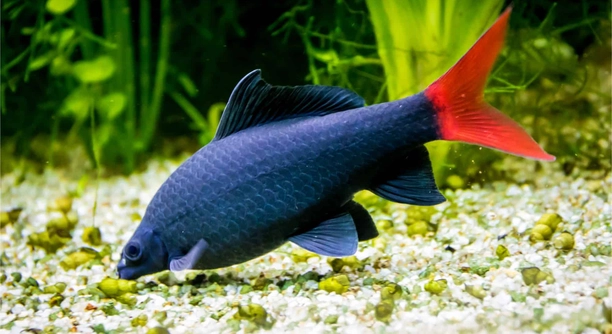
Is your rainbow shark showing signs of territorial behavior, chasing tankmates, or making your aquarium feel too crowded lately?
The most effective way to prevent rainbow shark overcrowding is by controlling tank size, limiting fish population, and ensuring proper territorial boundaries. This helps minimize stress, aggression, and territorial disputes within the aquatic environment.
Understanding these seven simple methods will help you maintain a balanced tank and support the health of your rainbow shark and its companions.
Choose the Right Tank Size
A rainbow shark needs plenty of space to feel secure and avoid aggression. A tank smaller than 55 gallons can lead to stress, territorial behavior, and overcrowding. These fish are naturally active and need room to swim without constant interruption. A cramped space causes friction with other fish, especially bottom-dwellers. Keeping them in a larger tank gives them clear zones to claim without disturbing others. Adding vertical decorations or hiding places can help break the line of sight and reduce tension. It also promotes natural behaviors and healthier interactions. A proper tank size doesn’t just keep your rainbow shark content—it helps every fish in the tank feel more at ease. Choose tanks with a longer horizontal layout to match the swimming style of rainbow sharks.
Smaller tanks may work in the short term, but they often lead to long-term problems like fighting and crowding. Start with the right size from the beginning.
A proper tank is more than just water volume—it’s about creating space for balance. Giving your rainbow shark enough room to swim freely and defend a territory without harming other fish helps reduce stress and overcrowding. This change alone often solves most behavioral issues.
Avoid Keeping Multiple Rainbow Sharks
Housing more than one rainbow shark in the same tank often causes territorial aggression and competition. These fish do not enjoy company from their own species unless raised together from a young age.
Rainbow sharks are naturally solitary and tend to be aggressive toward their kind. When you place two or more in a confined space, they fight for dominance, which leads to injuries and overcrowding. If you truly want to house multiple rainbow sharks, you’ll need a tank of at least 125 gallons with heavy decorations to break sightlines. Even then, there’s no guarantee of peace. It’s much safer to keep just one per tank. If you enjoy keeping multiple fish, choose peaceful community fish that occupy other levels of the tank, like tetras or rasboras. That way, your rainbow shark can stay near the bottom without too many interruptions. Focus on compatibility rather than appearance when choosing tank mates. Many new aquarists make the mistake of focusing on looks and end up with stressed or injured fish. By avoiding other rainbow sharks, you significantly reduce the chance of overcrowding and stress.
Limit the Number of Bottom-Dwellers
Rainbow sharks are territorial, especially around the bottom of the tank. Too many bottom-dwelling fish will trigger defensive behavior, leading to stress, fighting, and crowding. Stick to a few compatible species that do not compete for the same space.
Choosing the right tank mates is important when keeping a rainbow shark. Avoid bottom-dwellers like redtail sharks, other shark-like fish, or aggressive loaches. Instead, consider calm species that stay in the middle or upper sections, such as barbs or danios. If you do want a bottom-dweller, go for peaceful ones like corydoras and keep their numbers low. Provide enough hiding places and plants to break up space. This reduces the chance of direct encounters. Overcrowding the lower region of the tank often leads to territorial fights. Fewer bottom-dwellers give your rainbow shark more space to claim without conflict. The goal is balance—not to fill every inch with activity.
Territorial fish need space to feel secure. Rainbow sharks often become aggressive when other bottom-dwellers intrude on their territory. By limiting competition in this area, you’re reducing stress for every fish in the tank. Decorations, caves, and plants are helpful, but choosing the right combination of species is even more important for maintaining peace and preventing overcrowding.
Add Plenty of Hiding Spaces
Hiding places reduce direct encounters between fish and help break up aggressive behavior. Rainbow sharks often chase tank mates they can see too easily. Caves, driftwood, and plants give other fish a chance to rest and stay out of sight.
Strategic tank decoration can make a big difference. Arrange rocks, plants, and ornaments to create clear territories and visual barriers. This helps prevent constant chasing and tension. When fish have places to hide, they feel more secure, which lowers stress and reduces fights. Tall plants and horizontal barriers are especially useful for blocking line of sight. You can also use floating plants to reduce surface light and create a calmer environment. A well-structured tank keeps fish out of each other’s way. It’s not about stuffing the tank full—it’s about giving each fish a chance to escape, hide, or simply avoid being seen. That’s what keeps everything peaceful.
Avoid Overfeeding
Feeding too much increases waste and leads to poor water quality, which stresses your fish and encourages overcrowding behavior. Uneaten food also attracts fish to the same areas, creating unnecessary competition and territorial displays.
Stick to feeding small amounts once or twice a day, just what they can eat in a couple of minutes. This keeps your tank cleaner, reduces tension, and supports better fish health overall.
Maintain Proper Filtration
A strong filtration system supports clean water and consistent oxygen levels, which are both essential for reducing stress and crowding behavior. Rainbow sharks are sensitive to poor water conditions, especially in overstocked tanks. Filtration helps remove waste and keeps the environment stable. A quality filter should circulate the water well and handle the full volume of your tank. Look for filters that provide mechanical, chemical, and biological filtration. Clean the filter regularly to avoid buildup and keep it running efficiently. Good filtration gives your fish the best chance to stay calm, healthy, and less territorial in a shared space.
Monitor Tank Behavior
Keep an eye on how your rainbow shark acts toward other fish. If you notice constant chasing or hiding, it may be time to adjust tank mates or layout.
FAQ
Can rainbow sharks live with other rainbow sharks?
It’s not recommended. Rainbow sharks are highly territorial, especially toward others of their kind. Keeping more than one in the same tank almost always leads to aggression, injuries, and stress. Even in very large tanks, they tend to chase each other constantly. The only time it might work is if they’ve been raised together from a very young age in a massive tank with many hiding spots—but even then, it’s a risk. It’s safest to keep one rainbow shark per tank to avoid ongoing conflict and reduce stress for every fish involved.
What tank mates are best for rainbow sharks?
Rainbow sharks do best with fish that occupy other parts of the tank and aren’t overly aggressive. Mid-to-top level swimmers like zebra danios, barbs, and rainbowfish can work well. Avoid other bottom-dwelling or shark-shaped fish, as these can trigger territorial aggression. Peaceful fish that swim quickly and don’t resemble rainbow sharks are ideal. Avoid slow-moving or long-finned fish, since they can become targets. Always monitor how your rainbow shark behaves around new tank mates and be ready to separate them if needed. Compatibility matters more than variety.
How large should the tank be for one rainbow shark?
A minimum of 55 gallons is strongly recommended. These fish are very active and need space to swim and claim territory. Smaller tanks lead to overcrowding, stress, and aggression. If you plan to keep community fish with your rainbow shark, go even larger—at least 75 gallons is ideal. A long tank is better than a tall one, as rainbow sharks prefer horizontal space to swim. Larger tanks also give more room for plants, rocks, and hiding spaces, which help reduce direct interaction between fish and prevent problems.
Why is my rainbow shark chasing other fish?
Rainbow sharks chase when they feel their space is being invaded. This often happens in tanks that are too small or crowded with bottom-dwelling fish. Even peaceful species can become targets if they wander into the shark’s preferred zone. Lack of hiding spots also contributes to this issue. Aggression may get worse as the shark matures. To reduce this behavior, try adjusting the tank layout, increasing tank size, or removing competing fish from the bottom area. Monitoring behavior and making small changes can help keep things calm.
What decorations help prevent aggression in rainbow sharks?
Use caves, driftwood, rock tunnels, and tall plants to break up the line of sight. This gives fish places to hide and helps divide the tank into sections. These visual barriers make it harder for the rainbow shark to chase others nonstop. When they can’t see everything at once, they’re less likely to act territorial. Avoid leaving the tank wide open with too much swimming space in one area. A well-structured tank reduces stress, keeps fish calm, and gives each one a chance to retreat.
Do rainbow sharks get more aggressive as they age?
Yes, rainbow sharks often become more territorial as they mature. Juveniles may seem peaceful at first, but this usually changes with time. As they grow, they claim sections of the tank and defend them more aggressively. That’s why it’s important to set up the right environment early on. Enough space, compatible tank mates, and proper hiding areas help manage this behavior. Watching for early signs of aggression can help you make adjustments before it becomes a bigger issue.
Can a rainbow shark live alone?
Yes, and in many cases, that’s the best setup. Rainbow sharks don’t need tank mates to stay healthy or active. They often thrive in a peaceful, well-decorated tank where they’re the only large bottom-dwelling fish. Keeping one alone allows you to control stress levels, reduce conflict, and focus on creating a clean, stable habitat. If you enjoy watching active behavior without worrying about aggression, a single rainbow shark in a large tank can be a good choice.
Is a rainbow shark good for beginners?
Rainbow sharks are semi-aggressive and need specific conditions to stay peaceful, so they may not be ideal for first-time fish keepers. Beginners often underestimate the tank size and stocking needs, which leads to overcrowding. However, if you’re prepared to give them space, proper tank mates, and consistent care, they can be manageable. It’s best for those who’ve had some experience with freshwater fish and understand basic aquarium maintenance. They’re hardy, but their behavior needs careful monitoring.
Final Thoughts
Keeping a rainbow shark in a balanced, peaceful tank requires planning and attention to detail. These fish are active and beautiful but also territorial, especially as they grow. A tank that’s too small or overcrowded can lead to stress, aggression, and constant chasing. Many people underestimate how much space a single rainbow shark needs. Giving it enough room to swim, along with proper hiding spots, helps reduce tension. When its environment feels secure, your shark is less likely to lash out. Choosing calm tank mates and placing them in different swimming levels also makes a big difference. The fewer conflicts your fish have, the healthier and more comfortable they will be.
One rainbow shark per tank is the safest option. While some may try to keep more, it often ends in stress for all the fish involved. It’s also important to keep an eye on your tank’s water quality. Clean water supports calmer behavior and better health. Overfeeding or poor filtration can harm the tank and make your rainbow shark more aggressive. Regular water changes, a reliable filter, and careful feeding habits help create a clean and stable space. A well-maintained tank supports good behavior. It also reduces stress for both the fish and the person caring for them.
Rainbow sharks are not the most difficult fish to keep, but they do need specific care. If you’re willing to put in the effort, they can become a fun and active part of your aquarium. Watching them swim and explore a peaceful tank can be rewarding. Their bold colors and energy stand out, especially when they’re calm and comfortable. With the right setup, they can live for many years. Taking the time to understand their needs, from tank size to tank mates, helps prevent problems before they start. When your tank is balanced, your rainbow shark will be, too. And that makes the entire aquarium a better place for every fish living in it.

Hello,
If you enjoy the content that we create, please consider saying a "Thank You!" by leaving a tip.
Every little bit helps us continue crafting quality advice that supports the health, happiness, and well-being of pets around the world, for pets of all shapes, sizes, and species.
We really appreciate the kindness and support that you show us!