
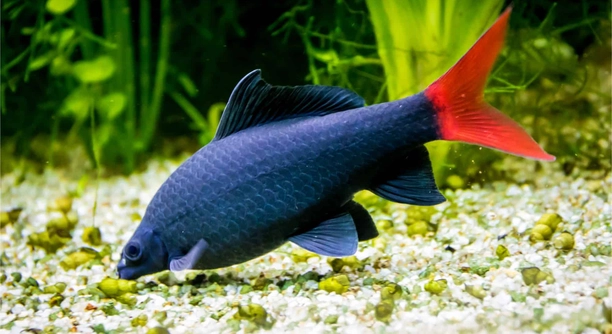
Rainbow sharks are popular aquarium fish known for their bright colors and peaceful nature. Many people enjoy adding them to community tanks for a splash of vibrancy. However, owning a rainbow shark comes with important care considerations to ensure their well-being.
Rainbow sharks require specific tank conditions, including sufficient space, clean water, and compatible tank mates. They can be territorial and need hiding spots to feel secure. Proper diet and regular maintenance are essential to keep them healthy and stress-free.
Knowing these key points helps prevent common problems and promotes a healthy environment for your rainbow shark. This article will cover everything you need to prepare before bringing one home.
Tank Size and Environment
Rainbow sharks need enough space to swim comfortably. A tank that is too small can cause stress and aggressive behavior. Ideally, a minimum of 30 gallons is recommended for one rainbow shark. The tank should have smooth decorations and hiding spots like plants or caves to make them feel safe. Clean, well-filtered water is crucial, as poor water quality can lead to illness. Maintaining a stable temperature between 72°F and 79°F helps keep them healthy. Regular water changes of about 25% weekly will prevent harmful buildup of toxins. Avoid sharp decorations that might injure their delicate fins. Lighting should mimic natural daylight, and a calm water flow is preferred since strong currents can stress them out. By setting up the right environment, you support the rainbow shark’s natural behaviors and longevity.
Keeping their tank clean and well-structured reduces stress and promotes better health for rainbow sharks.
Understanding the environment needs helps you create a balanced tank. Tank size influences their behavior, with adequate space reducing aggression. Plants and hiding areas lower stress by providing shelter. Temperature stability prevents immune problems, while clean water prevents diseases. The overall setup supports their active nature and territorial instincts. When these conditions are met, rainbow sharks are more vibrant and less likely to develop health issues. This preparation is essential for a thriving aquarium.
Feeding Habits
Rainbow sharks are omnivores and need a varied diet. They eat flakes, pellets, and live or frozen foods. A balanced diet supports their bright colors and energy. Feeding small amounts two to three times daily prevents overfeeding.
Proper feeding keeps rainbow sharks healthy and prevents water pollution.
Feeding rainbow sharks requires attention to quality and quantity. They benefit from high-protein foods like bloodworms and brine shrimp, along with vegetable matter such as spirulina flakes. A mix of commercial and live foods provides essential nutrients. Overfeeding can lead to poor water quality, which affects their health, so it’s important to offer only what they can eat in a few minutes. Uneaten food should be removed to avoid decay. Observing their eating habits helps identify health issues early. Feeding consistency also promotes good digestion and vibrant coloration. This care step is simple but critical for their well-being.
Compatibility with Other Fish
Rainbow sharks can be territorial, especially with similar-looking fish. They may chase or nip at tank mates if the space is too small. Avoid keeping multiple rainbow sharks in a small tank to reduce aggression.
Choosing peaceful and different species as tank mates works best. Good companions include larger, non-aggressive fish like gouramis, danios, or tetras. Avoid slow-moving or long-finned fish since rainbow sharks may nip their fins. Proper hiding spots and plenty of space can help ease territorial behavior. Monitor the tank regularly to catch any signs of bullying early. Balancing species and tank layout promotes harmony and reduces stress for all fish involved.
It’s important to understand their social behavior to create a peaceful aquarium. Crowded tanks increase stress and aggression. Giving each fish enough space and varied companions can prevent conflicts. Compatibility is about balance—knowing which species can coexist with rainbow sharks helps maintain a stable tank environment. This prevents injury and stress-related illnesses.
Health and Common Issues
Rainbow sharks are generally hardy but can suffer from fin rot, ich, and stress-related problems if their environment is poor. Maintaining water quality is the first step in prevention.
Regularly checking water parameters like ammonia, nitrites, and nitrates is essential. Stress from overcrowding, poor diet, or aggressive tank mates lowers immunity, making disease more likely. Early signs of illness include faded colors, clamped fins, and lack of appetite. Quarantining new fish before adding them to the tank helps avoid introducing infections. Treat diseases quickly with appropriate medications and adjust tank conditions as needed. Healthy living conditions promote longevity and vibrant coloration.
Keeping up with routine tank maintenance reduces disease risks. Balanced feeding, proper filtration, and stress management are key to avoiding health problems. Recognizing symptoms early leads to quicker recovery and less stress for your fish. Consistent care improves their lifespan and overall well-being.
Breeding Rainbow Sharks
Breeding rainbow sharks in home aquariums is challenging and rare. They require specific conditions and plenty of space to mate successfully. Most hobbyists focus on care rather than breeding.
Separate tanks for breeding pairs reduce stress. Providing flat surfaces for egg laying encourages spawning.
Behavior and Activity
Rainbow sharks are active swimmers and tend to explore the tank constantly. They often stay near the bottom but swim throughout the aquarium. Their territorial nature shows especially during feeding or when defending hiding spots. Recognizing their behavior helps keep them comfortable and reduces stress in the tank.
Water Parameters
Maintaining stable water conditions is crucial. The pH should be between 6.5 and 7.5, with moderate hardness. Sudden changes can stress the fish, so gradual adjustments are best.
Lifespan
With proper care, rainbow sharks can live up to 5 years or more in captivity.
FAQ
How big do rainbow sharks get?
Rainbow sharks typically grow up to 6 inches in length. This size requires a tank that can accommodate their active swimming and territorial behavior. A minimum of 30 gallons is recommended for one adult to ensure enough space.
What kind of tank setup do rainbow sharks need?
They prefer tanks with smooth decorations, hiding spots, and plants. The water should be clean and well-filtered with stable temperatures between 72°F and 79°F. Avoid sharp objects to prevent fin damage.
Are rainbow sharks aggressive?
Rainbow sharks can be territorial, especially in smaller tanks or when kept with similar fish. They may chase or nip tank mates but are generally peaceful with the right companions and enough space.
Can rainbow sharks live with other fish?
Yes, but choose tank mates carefully. Larger, non-aggressive species like danios or gouramis work best. Avoid slow-moving or long-finned fish that may become targets.
What do rainbow sharks eat?
They are omnivores and need a varied diet. Offer flakes, pellets, live, or frozen foods like bloodworms and brine shrimp. Include vegetable matter such as spirulina flakes for balanced nutrition.
How often should I feed my rainbow shark?
Feed small amounts two to three times a day. Overfeeding can pollute the tank and cause health problems. Remove uneaten food promptly.
How do I prevent diseases in my rainbow shark?
Maintain water quality with regular changes and filtration. Quarantine new fish before adding them to the tank. Watch for signs of illness like faded colors or clamped fins and treat problems early.
Can rainbow sharks be bred at home?
Breeding rainbow sharks is difficult. They need specific conditions and space, plus separate tanks for spawning. Most keepers do not breed them but focus on care instead.
What water parameters are best for rainbow sharks?
Keep pH between 6.5 and 7.5 with moderate hardness. Avoid sudden changes to prevent stress. Stable temperature and clean water support their health.
How long do rainbow sharks live?
With proper care, they can live 5 years or more. Good tank conditions, diet, and stress management increase their lifespan.
Do rainbow sharks need hiding places?
Yes, hiding spots like caves or plants help reduce stress and provide security. These also minimize aggression by giving each fish space to retreat.
What signs show my rainbow shark is stressed or sick?
Look for faded colors, clamped fins, decreased appetite, or unusual swimming. Early detection allows for quicker treatment and better recovery chances.
Is a 10-gallon tank enough for a rainbow shark?
No, 10 gallons is too small. It can cause stress and aggression. At least 30 gallons is recommended for one fish to swim comfortably.
Can rainbow sharks live with goldfish?
No, goldfish and rainbow sharks have different water needs. Goldfish prefer cooler water, which is not suitable for rainbow sharks, and they may compete for food.
How often should I change the water in a rainbow shark tank?
Change about 25% of the water weekly. This helps keep the tank clean and reduces toxin buildup that can harm your fish.
Rainbow sharks can be a great addition to an aquarium if their needs are properly met. They bring bright colors and lively movement that many fish keepers appreciate. However, owning a rainbow shark means understanding their requirements for space, diet, and tank mates. Providing a clean, well-maintained environment helps prevent stress and illness, ensuring the fish live a healthy life. It’s important to be ready for regular tank care and monitoring to keep the conditions stable. Without proper attention, rainbow sharks may show signs of aggression or health problems.
Taking the time to research their behavior and needs makes a big difference in their well-being. Rainbow sharks need enough room to swim and territories to feel safe. Including plants, caves, or other hiding spots in the tank reduces stress and keeps them calm. Their diet should be varied, including both protein and plant-based foods, to maintain their vibrant colors and good health. Choosing compatible tank mates is also key to avoiding conflicts. With the right setup, rainbow sharks can coexist peacefully with other fish and show off their unique personalities.
Ultimately, owning a rainbow shark requires commitment but can be rewarding. Watching them swim actively and interact with their surroundings adds interest to any aquarium. The care needed is manageable with some planning and attention to detail. If you provide the right tank conditions, nutrition, and company, a rainbow shark will thrive. They are beautiful and engaging fish that can brighten up your tank while offering a chance to learn about fish behavior and aquarium care. Taking these points into account will help you enjoy a successful experience with your rainbow shark.

Hello,
If you enjoy the content that we create, please consider saying a "Thank You!" by leaving a tip.
Every little bit helps us continue crafting quality advice that supports the health, happiness, and well-being of pets around the world, for pets of all shapes, sizes, and species.
We really appreciate the kindness and support that you show us!