
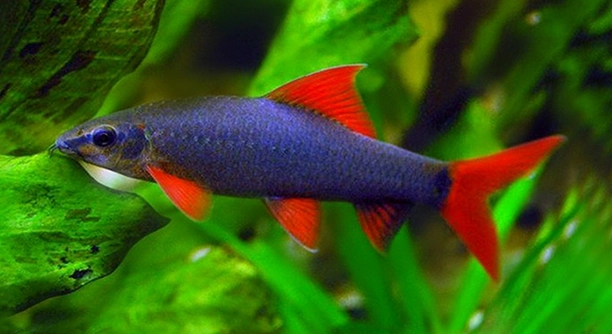
Rainbow sharks are popular freshwater fish known for their striking colors and active nature. Many owners want to create a comfortable environment where their rainbow shark can thrive. Understanding their needs is essential for a healthy and happy fish.
Providing a suitable tank size with proper filtration and stable water conditions is crucial for rainbow sharks. Maintaining a balanced diet and including hiding spots helps reduce stress and supports natural behavior in captivity.
Learning simple steps to improve your rainbow shark’s habitat can make a big difference. These tips will help you create a safe and welcoming home for your fish.
Choosing the Right Tank Size
A proper tank size is one of the most important factors when keeping a rainbow shark. These fish are active swimmers and need plenty of space to move around comfortably. A tank that is too small can cause stress and aggression. For a single rainbow shark, a minimum of 30 gallons is recommended. Larger tanks allow more stable water conditions and provide room for decorations and plants, which give your fish places to hide and explore. It’s also important to consider tank mates carefully, as rainbow sharks can be territorial. Avoid overcrowding the tank to maintain water quality and reduce conflicts. Investing in a suitable tank size from the start helps keep your fish healthy and happy.
A spacious tank reduces stress and promotes natural behavior in rainbow sharks. Proper space helps maintain good water quality and decreases aggression.
Creating a roomy environment also allows you to add plants and decorations. These additions give the fish places to retreat when feeling threatened and can mimic their natural habitat, improving their overall well-being.
Maintaining Water Quality
Water quality directly affects the health of your rainbow shark. Regular testing of water parameters like pH, ammonia, nitrites, and nitrates is essential. Rainbow sharks prefer slightly acidic to neutral water with a pH between 6.5 and 7.5. Keeping ammonia and nitrite levels at zero is crucial since these chemicals are toxic to fish. Frequent partial water changes help remove waste and keep the environment clean. A good filtration system supports this by removing debris and harmful substances. Monitoring water temperature is also necessary; rainbow sharks thrive in temperatures between 72°F and 79°F. Avoid sudden changes in water conditions, as these can stress the fish and make them more susceptible to illness. Consistent maintenance routines are key to sustaining a healthy aquatic environment.
Providing Hiding Spots
Hiding spots are essential for rainbow sharks to feel secure in their tank. They need places to retreat when stressed or threatened.
Natural decorations like driftwood, rocks, and live or artificial plants make great hiding areas. These elements create a more comfortable environment and reduce territorial aggression. Arranging these spots throughout the tank allows the fish to choose their preferred retreat, which supports their mental well-being.
Using caves or PVC pipes can also provide safe hiding spaces. Ensure the materials are safe for aquarium use and free of sharp edges. Regularly check and clean hiding spots to avoid debris buildup, which can affect water quality. These simple additions help mimic the shark’s natural habitat, encouraging natural behavior and improving overall health.
Feeding Your Rainbow Shark
Rainbow sharks need a balanced diet to stay healthy and active. They are omnivores and require both plant matter and protein. Offering high-quality sinking pellets or flakes designed for bottom feeders is a good base. Supplement this with live or frozen foods like bloodworms, brine shrimp, or daphnia to provide variety and additional nutrients. Vegetables like blanched zucchini or spinach are also beneficial. Avoid overfeeding, as leftover food can pollute the water. Feeding small amounts once or twice daily is best. Observing your fish during feeding helps ensure they eat well and stay in good condition. Maintaining a proper diet supports growth, coloration, and energy levels.
Monitoring Tank Mates
Rainbow sharks can be territorial, so choosing compatible tank mates is important. Avoid keeping them with slow-moving or very small fish, as they might become targets.
Ideal tank mates include larger, fast-swimming species that occupy different tank levels. This reduces competition and stress for everyone involved.
Regular Tank Cleaning
Cleaning the tank regularly is crucial to maintain a healthy environment. Remove uneaten food and debris, and perform partial water changes weekly. This helps keep water parameters stable and reduces the risk of disease. Consistent cleaning supports your rainbow shark’s well-being and longevity.
Lighting and Temperature Control
Proper lighting and temperature are important for rainbow sharks. Use moderate lighting to mimic their natural habitat, and keep the water temperature stable between 72°F and 79°F. Avoid sudden temperature changes to prevent stress and illness.
How big should my tank be for a rainbow shark?
A minimum tank size of 30 gallons is recommended for a single rainbow shark. These fish are active swimmers and need space to move freely. Larger tanks help maintain stable water conditions and reduce territorial aggression. If you plan to keep multiple fish or other species, increase the tank size accordingly to avoid overcrowding.
What water parameters are best for rainbow sharks?
Rainbow sharks thrive in slightly acidic to neutral water, with a pH between 6.5 and 7.5. The temperature should be kept stable between 72°F and 79°F. Ammonia and nitrite levels must be at zero, while nitrate levels should remain low through regular water changes. Consistent monitoring helps prevent stress and illness.
How often should I feed my rainbow shark?
Feeding once or twice daily is sufficient. Offer small portions of sinking pellets or flakes designed for bottom feeders, supplemented with live or frozen foods like bloodworms or brine shrimp. Avoid overfeeding, as excess food can pollute the water and harm your fish’s health.
What are good hiding spots for rainbow sharks?
Driftwood, rocks, caves, and PVC pipes create excellent hiding places. Adding live or artificial plants enhances security. Make sure decorations are safe and free from sharp edges. Regularly clean these spots to prevent debris buildup and maintain good water quality.
Can rainbow sharks live with other fish?
Yes, but tank mates must be chosen carefully. Avoid slow or very small fish, as rainbow sharks can be territorial and aggressive. Ideal companions include larger, fast-moving fish that occupy different tank levels, which helps reduce conflicts and stress.
How often should I clean the tank?
Partial water changes and tank cleaning should be done weekly. Removing uneaten food and debris helps keep water parameters stable and lowers disease risk. Regular maintenance supports your fish’s health and extends their lifespan.
What causes rainbow sharks to become aggressive?
Territorial behavior is natural, especially in smaller tanks or when hiding spots are limited. Overcrowding can increase aggression. Providing enough space, proper hiding places, and compatible tank mates helps minimize fights and stress.
How do I prevent diseases in my rainbow shark?
Maintaining clean water, stable temperatures, and a balanced diet reduces the risk of disease. Quarantine new fish before introducing them to the main tank. Watch for signs of illness like unusual swimming or discoloration and act promptly if problems arise.
Is lighting important for rainbow sharks?
Yes, moderate lighting helps simulate a natural environment. Too bright or harsh lighting can stress the fish. Providing areas of shade with plants or decorations gives your rainbow shark a comfortable space to retreat when needed.
What should I do if my rainbow shark hides all the time?
Frequent hiding can indicate stress or poor water conditions. Check water quality, tank size, and tank mates. Ensure the environment is stable and comfortable. If hiding persists, consider consulting an expert to rule out illness or other issues.
Taking good care of a rainbow shark means paying attention to its basic needs. Providing enough space in the tank, keeping the water clean, and offering a balanced diet are important parts of creating a healthy home. Rainbow sharks need a tank of at least 30 gallons to swim freely and avoid stress. Clean water with the right temperature and pH levels helps keep them healthy and active. A good filtration system and regular water changes keep harmful chemicals out and make the tank a safe place. Without these essentials, the fish can become stressed or sick, so it’s important to stay consistent with maintenance.
Another key point is to give your rainbow shark places to hide. These fish can be territorial and sometimes need a quiet spot to feel safe. Adding decorations like rocks, plants, or caves can help reduce stress and keep the fish calm. Hiding spots also give the rainbow shark a chance to rest when it feels threatened or overwhelmed by other tank mates. Choosing the right tank mates is also important because rainbow sharks can be aggressive towards smaller or slower fish. Keeping compatible fish together reduces conflict and helps maintain peace in the aquarium. Watching how your fish behave will help you understand if changes are needed to improve their living conditions.
Feeding your rainbow shark properly is another big part of care. They need a mix of foods including pellets, vegetables, and occasional live or frozen treats. Overfeeding can lead to poor water quality and health problems, so offering small amounts once or twice a day is best. Regular cleaning, checking water conditions, and keeping the tank environment stable will give your rainbow shark the best chance to live a long and healthy life. By paying attention to these simple but important details, you can enjoy watching your rainbow shark thrive in a home that feels just right.

Hello,
If you enjoy the content that we create, please consider saying a "Thank You!" by leaving a tip.
Every little bit helps us continue crafting quality advice that supports the health, happiness, and well-being of pets around the world, for pets of all shapes, sizes, and species.
We really appreciate the kindness and support that you show us!