
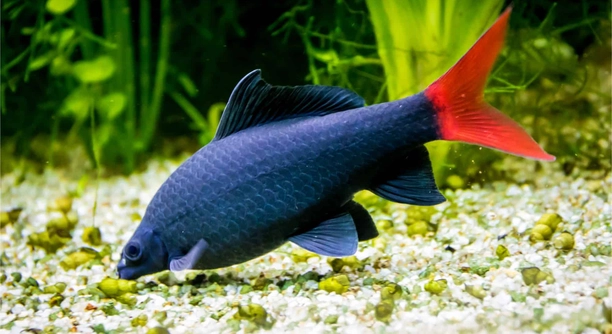
Are your rainbow sharks constantly chasing or nipping at their tankmates, turning your peaceful aquarium into a stressful space? This common issue can make fishkeeping feel more frustrating than fun, especially in community tanks.
The most effective way to stop rainbow shark tankmates from fighting is by adjusting tank conditions, choosing compatible fish, and providing enough space and hiding spots. These changes help reduce stress and create a more harmonious environment.
Simple adjustments can make a big difference. Keep reading to find out which tankmates are ideal and how to set up your aquarium properly.
Choose the Right Tankmates
Rainbow sharks are territorial by nature, especially as they mature. Keeping them with the wrong species often leads to chasing and stress for all fish involved. It’s best to avoid tankmates that are slow-moving, bottom dwellers, or have long fins. Instead, go with semi-aggressive, fast-swimming mid-to-top-level fish that can hold their own. Some good choices include barbs, danios, and certain types of rasboras. These species are active and quick, helping to avoid unnecessary conflict. Always observe how your fish interact and be ready to adjust if signs of aggression appear. Keeping one rainbow shark per tank is also important, as they are very territorial toward their own kind. Even when paired with suitable tankmates, giving them enough personal space is key. Think of the tank layout and fish selection as a strategy to prevent stress. A thoughtful setup from the beginning can prevent a lot of problems later on.
Some fish simply don’t mix well with rainbow sharks. Always research before adding new species to avoid compatibility problems.
Matching energy levels and swimming zones goes a long way. If your tank is well-stocked with appropriate fish, rainbow sharks are more likely to behave. Constant chasing often stops once the shark feels secure and unchallenged.
Add Hiding Spots and Decorations
Tank layout can reduce aggression. Adding plenty of caves, plants, and decorations helps break up sightlines and gives fish a place to retreat.
When a tank is too open, rainbow sharks may feel like they have to protect every inch. This usually leads to more chasing and territorial behavior. Giving them enough hiding spots makes a big difference. You can use natural decorations like driftwood and rocks, or artificial ones such as ceramic tunnels. Floating plants also help create shaded areas and make the environment feel less exposed. These changes can ease stress for both the shark and the tankmates. Spread out the decorations throughout the tank to give every fish a place to hide if needed. Don’t cluster everything in one corner—distribution is key. You’re not just adding beauty, you’re creating boundaries. When fish feel secure, they’re less likely to fight. This setup also gives weaker or smaller fish a chance to get away and stay out of sight if needed.
Keep the Tank Size Large Enough
A small tank increases stress and competition. Rainbow sharks need space to feel secure, and tankmates also benefit from having room to swim and hide. A cramped environment usually leads to more chasing and fighting.
A single rainbow shark should be kept in a tank that’s at least 55 gallons. This gives it enough territory to claim without constantly running into other fish. If you’re planning to add tankmates, especially active or semi-aggressive species, aim for an even larger setup—around 75 gallons or more. Extra room allows each fish to establish its own space. Larger tanks also provide more opportunities to add hiding spots, plants, and decorations, all of which help reduce stress. When fish feel they have their own space, they’re less likely to fight. Proper tank size plays a big role in overall behavior, so it’s worth investing in the right setup from the start.
Crowded tanks also lead to poor water quality faster, which stresses fish and triggers aggression. Fish in a clean, spacious tank are more likely to stay healthy and behave calmly. When choosing a tank, think long-term—not just about space now, but about how big your fish will grow and how much room they’ll need later. Tank size truly matters.
Adjust Feeding Habits
Feeding time can trigger aggression. If fish feel they’re competing for food, they may start chasing or nipping at each other more often. Spacing out feeding areas can help.
Use a feeding ring or drop food in multiple spots to reduce competition. Offer a mix of sinking pellets and floating flakes to keep fish at different levels occupied. Rainbow sharks are bottom feeders, so using sinking food keeps them busy and focused. Feed small amounts a couple of times a day instead of one large portion. This approach helps reduce tension during mealtime and keeps your tankmates better fed. You can also try feeding more distracted or bullied fish first by placing food at the far end of the tank. Watch for signs of one fish dominating feeding time, and adjust accordingly. Everyone should get enough food without needing to fight for it.
Monitor for Signs of Stress
Look for torn fins, hiding, rapid swimming, or loss of color. These are signs that fish are stressed or being bullied. Spotting these early gives you time to make changes before things get worse.
Separate aggressive fish if needed. Sometimes, one fish becomes too dominant and needs to be rehomed or moved.
Keep Water Conditions Stable
Stable water conditions help reduce stress and make fish less likely to fight. Check temperature, pH, ammonia, nitrite, and nitrate levels regularly. Rainbow sharks prefer slightly acidic to neutral water (pH 6.5–7.5) and temperatures between 72–79°F. Perform partial water changes weekly to keep the environment clean. Use a reliable filter and avoid sudden changes in water parameters. Poor water quality can weaken fish and cause aggression. Stress from unhealthy conditions often leads to chasing or nipping. Even compatible tankmates can turn aggressive if the environment is off. A stable, clean tank helps all fish feel secure and behave more calmly.
Avoid Adding More Rainbow Sharks
Rainbow sharks don’t do well with others of their kind. Keeping more than one often leads to serious fighting. One per tank is the safest choice.
FAQ
Can rainbow sharks live with other bottom dwellers?
It’s usually best to avoid housing rainbow sharks with other bottom dwellers. These fish are territorial and tend to claim the bottom section of the tank as their own. When other fish enter this space, the rainbow shark may chase or nip at them, especially in smaller tanks. Species like loaches, catfish, and plecos often become targets. If you really want to try mixing them, go with a larger tank (at least 75 gallons) and include plenty of caves and hiding places. This can help reduce territorial tension, but there are still no guarantees of peace.
Do rainbow sharks ever get along with their own species?
In most home aquariums, rainbow sharks do not get along with others of their kind. They tend to fight, often aggressively, to establish dominance. This behavior starts when they mature, and it doesn’t always end with minor chasing—injury is common. The only time multiple rainbow sharks may tolerate each other is in very large tanks (over 100 gallons) with heavy decor and defined territories. Even then, success is rare. Keeping just one per tank is the safest and most common recommendation. It helps avoid stress, injury, and persistent fighting among fish.
How do I know if my rainbow shark is being aggressive or just playing?
Rainbow sharks rarely “play” in the same way some animals do. Chasing, nipping, and blocking other fish from certain areas usually means your shark is showing territorial behavior. If the other fish are hiding more often, showing damage on their fins, or not eating well, it’s likely not playful. Aggression tends to look persistent and directed at the same fish. Keep an eye on how long the behavior lasts and whether it results in stress. Occasional chasing that doesn’t lead to harm may be normal, but if it happens daily, you may need to step in.
What size tank do I need to prevent fighting?
A single rainbow shark needs at least a 55-gallon tank. If you’re adding tankmates, especially fast-moving species or ones that need space, a 75-gallon tank or larger is best. More space means less competition for territory. It also gives you room to add hiding spots, plants, and structures that help break up sightlines and reduce tension. Small tanks make rainbow sharks feel more defensive. They react by chasing and nipping. A larger tank not only supports healthier behavior but gives all fish a chance to avoid each other when needed.
Do rainbow sharks calm down over time?
Sometimes they do, especially if the tank is well-managed. A young rainbow shark may start out peaceful and become territorial as it matures. Over time, if it feels secure and unchallenged, it may become calmer. However, this depends on the tank size, layout, and tankmates. Inconsistent environments or poor water quality often lead to ongoing aggression. If your shark continues to chase fish often, it’s worth reviewing the tank conditions, fish compatibility, and feeding routine. Behavior can improve with the right setup, but it doesn’t always happen on its own.
What are some signs that my tank setup is causing stress?
Fish hiding constantly, torn fins, dull coloration, poor appetite, and erratic swimming are signs of stress. Rainbow sharks may chase more, and tankmates may look tired or avoid certain areas. If you see these patterns, review your tank layout and check water quality. Also look at how your fish interact at feeding time. If only a few are getting food or some avoid eating altogether, there may be a dominance issue. Rearranging decor, improving water conditions, or upgrading tank size can often reduce these problems and lead to a calmer tank.
Final Thoughts
Rainbow sharks are beautiful and active fish, but their territorial behavior can cause problems if the tank is not set up properly. Many fish keepers find it challenging to manage aggression, especially in smaller or poorly planned tanks. Choosing the right tankmates is one of the most important steps. Not all fish are a good match, and some species are more likely to be bullied. Fast swimmers and mid-to-top dwellers usually work better. Avoid keeping rainbow sharks with slow, peaceful fish or others that live near the bottom. This simple step can help reduce tension in the tank.
Another key factor is the tank setup itself. A larger tank with hiding places, plants, and separate spaces allows fish to feel secure and stay out of each other’s way. Rainbow sharks need room to move and claim a space of their own. When they feel cornered or too exposed, they often act out. Small tanks or plain layouts usually make the problem worse. Even small changes like adding more plants or a new cave can make a big difference. A good feeding routine also helps. Feeding fish in different spots and offering the right types of food can lower the chances of aggression during mealtime.
If you’re noticing constant chasing or damage to other fish, it may be time to make changes. Watching for early signs of stress, like hiding or torn fins, can help you fix things before they get worse. Sometimes, separating fish or upgrading the tank is necessary. It’s not always easy, but small adjustments often go a long way. With the right setup, rainbow sharks can live calmly with others and become an interesting part of your aquarium. It takes some planning, but it’s worth the effort. By focusing on space, compatibility, and tank conditions, you can create a peaceful environment where all your fish can thrive.

Hello,
If you enjoy the content that we create, please consider saying a "Thank You!" by leaving a tip.
Every little bit helps us continue crafting quality advice that supports the health, happiness, and well-being of pets around the world, for pets of all shapes, sizes, and species.
We really appreciate the kindness and support that you show us!