
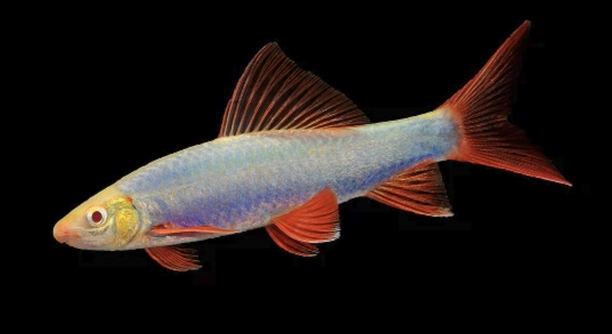
Rainbow Sharks are popular aquarium fish known for their striking appearance and active behavior. Many fish enthusiasts want to know what influences their lifespan and how to provide the best care for them. Understanding these factors can help keep Rainbow Sharks healthy for longer.
Several key factors affect the lifespan of Rainbow Sharks, including water quality, diet, tank size, stress levels, compatibility with other fish, disease prevention, and overall habitat conditions. Proper management of these elements is essential for maintaining their health and extending their life expectancy.
Knowing these important factors can improve your Rainbow Shark’s well-being and help you create an environment where it can thrive over time.
Water Quality and Its Impact
Maintaining clean water is essential for the health of Rainbow Sharks. These fish are sensitive to changes in water conditions, especially ammonia, nitrite, and nitrate levels. Regular water testing and partial water changes keep the environment stable. Ideal water temperature ranges between 72°F and 79°F, with a pH of 6.5 to 7.5. Poor water quality can lead to stress, illness, and shorter lifespans. Proper filtration and aeration help keep oxygen levels adequate. Avoid overcrowding the tank as it causes waste buildup and worsens water conditions. Paying attention to water quality helps Rainbow Sharks stay active and healthy.
Water quality directly affects the immune system of Rainbow Sharks, making it a critical factor for their lifespan.
Ensuring consistent monitoring and maintenance of water conditions prevents common health issues. Using water conditioners can remove harmful chemicals from tap water. Frequent water changes, about 20-30% weekly, dilute waste and toxins. Observing fish behavior can indicate water problems early. Clear water and proper filtration support their natural swimming habits and reduce disease risks. Keeping the water environment balanced will allow Rainbow Sharks to live a longer, healthier life.
Diet and Nutrition
Feeding Rainbow Sharks a balanced diet supports their overall health.
A diet including high-quality flakes, pellets, and occasional live or frozen foods provides essential nutrients. Avoid overfeeding, which can cause water pollution and obesity. Variety in food helps meet dietary needs and encourages natural foraging behavior. Supplementing with vegetables like blanched spinach or zucchini can improve digestion. Consistent feeding schedules reduce stress and keep the fish energetic. Proper nutrition strengthens their immune system and promotes vibrant coloration, contributing to a longer lifespan.
Tank Size and Space
Adequate tank size is crucial for Rainbow Sharks to thrive.
A minimum tank size of 30 gallons is recommended to provide enough swimming space. Overcrowding causes stress, which lowers their lifespan and weakens their immune system. These fish are active swimmers and need room to explore without constant competition for territory. Adding hiding spots helps reduce stress but does not replace the need for sufficient open water. Proper tank size also helps maintain stable water quality by diluting waste.
A larger tank supports healthier behavior and growth. It reduces aggressive interactions with other fish, which can cause injury. Spacious environments allow for better oxygen circulation and natural swimming patterns. Ensuring your Rainbow Shark has enough room improves its overall wellbeing and longevity. This simple factor is often overlooked but plays a significant role in how long your fish will live.
Stress and Compatibility
Rainbow Sharks do best with peaceful tank mates. Stress caused by aggression or overcrowding shortens lifespan.
Avoid keeping Rainbow Sharks with aggressive or overly territorial species. They may become stressed or injured from constant conflict. Compatible tank mates include tetras, barbs, and peaceful bottom dwellers. Maintaining a balanced number of fish reduces competition for resources like food and hiding spots. Sudden changes in environment or handling also increase stress. Consistent care routines and stable conditions are important.
Reducing stress means fewer illnesses and stronger immune defenses. When Rainbow Sharks coexist peacefully, they show more natural behaviors and vibrant colors. Stress from poor compatibility can lead to disease or early death. Choosing the right tank mates and avoiding overcrowding are simple steps to ensure a longer, healthier life for your fish.
Disease Prevention
Regular tank maintenance helps prevent common diseases in Rainbow Sharks.
Early detection and treatment reduce the risk of serious health issues.
Common Diseases Affecting Rainbow Sharks
Rainbow Sharks can be prone to infections such as ich, fin rot, and fungal diseases. Ich appears as white spots and causes itching and lethargy. Fin rot causes fins to fray and decay, often due to poor water conditions or injury. Fungal infections appear as cotton-like growths on the body. Quarantining new fish before adding them to the tank reduces disease spread. Maintaining clean water and a balanced diet strengthens their immune system to fight illnesses naturally.
Habitat Conditions
Stable and suitable habitat conditions are key for longevity.
FAQ
What is the average lifespan of a Rainbow Shark?
Rainbow Sharks typically live between 5 to 8 years with proper care. Factors like water quality, diet, and tank environment can influence how long they live. Some may live longer if conditions are ideal and stress is minimized.
How often should I change the water in my Rainbow Shark tank?
Partial water changes of about 20-30% once a week are recommended. This keeps the water clean and reduces harmful toxins. Frequent water changes help maintain stable conditions, which Rainbow Sharks need to stay healthy.
Can Rainbow Sharks live with other fish?
Yes, but tank mates must be chosen carefully. Peaceful fish like tetras or barbs usually get along well. Avoid aggressive or territorial species to reduce stress and injury. Proper space and hiding spots help fish coexist peacefully.
What should I feed my Rainbow Shark?
A balanced diet of high-quality flakes or pellets works well. Supplement with live or frozen foods like bloodworms and brine shrimp occasionally. Vegetables such as blanched zucchini or spinach are good for digestion. Avoid overfeeding to maintain water quality.
How big should the tank be for one Rainbow Shark?
At least 30 gallons is ideal for one Rainbow Shark. They need space to swim and establish territory. Bigger tanks help reduce aggression and provide a healthier environment by diluting waste.
What are common signs of illness in Rainbow Sharks?
Watch for white spots (ich), torn fins, faded colors, or sluggish behavior. Loss of appetite and hiding more than usual can also signal health problems. Early detection improves chances of recovery.
How can I reduce stress for my Rainbow Shark?
Provide a spacious tank with plenty of hiding places and compatible tank mates. Keep water parameters stable and avoid sudden changes. Regular feeding schedules and minimal handling also help reduce stress.
Is it necessary to quarantine new fish before adding them to the tank?
Yes, quarantining new fish for at least two weeks helps prevent introducing diseases to the main tank. It allows you to observe the new fish for signs of illness and treat any problems before mixing them with existing fish.
What water parameters are best for Rainbow Sharks?
Maintain temperature between 72°F and 79°F, pH around 6.5 to 7.5, and low levels of ammonia, nitrites, and nitrates. These conditions mimic their natural habitat and support good health.
Can Rainbow Sharks live in a community tank?
They can, with proper planning. Avoid overcrowding and aggressive species. Provide enough space for all fish to reduce competition. A peaceful community tank can encourage natural behaviors and longer lifespans for Rainbow Sharks.
How do I know if my Rainbow Shark is happy and healthy?
Active swimming, bright coloration, and regular feeding are signs of a healthy fish. When they explore their tank and interact calmly with tank mates, it usually means they are comfortable and stress-free.
What causes Rainbow Sharks to become aggressive?
Aggression often comes from limited space, overcrowding, or incompatible tank mates. Territorial behavior is natural but can be reduced with a larger tank and sufficient hiding places.
How important is lighting for Rainbow Sharks?
Moderate lighting simulates their natural environment and helps maintain normal behavior. Too much light can cause stress, while too little can affect activity levels. A balanced light schedule is best.
Can Rainbow Sharks tolerate different water hardness levels?
They prefer soft to moderately hard water. Extreme hardness or softness can cause stress and health issues. Regular testing helps maintain appropriate levels for their comfort.
What should I do if my Rainbow Shark gets sick?
Isolate the fish in a quarantine tank and treat with appropriate medication. Improving water quality and nutrition also supports recovery. Consult a vet or fish specialist if the condition worsens.
Taking good care of Rainbow Sharks means paying attention to several important factors that affect their lifespan. From maintaining clean water and proper tank size to providing a balanced diet and reducing stress, each aspect plays a significant role in their health. These fish thrive best in stable environments where their needs are met consistently. When their habitat is well managed, Rainbow Sharks can live longer and remain active and colorful.
Water quality is one of the most critical elements for keeping Rainbow Sharks healthy. Regular water changes and proper filtration prevent the buildup of harmful toxins. Monitoring water parameters such as temperature, pH, and ammonia levels ensures the environment stays within the ideal range. A clean tank not only supports their immune system but also reduces the chances of diseases, which can shorten their lifespan. Along with water quality, choosing the right tank size and compatible tank mates helps reduce stress. Stress weakens the fish’s defenses and can lead to early health problems.
Feeding Rainbow Sharks a varied diet that meets their nutritional needs is also essential. Overfeeding or feeding the wrong types of food can cause water pollution and health issues. A mix of high-quality flakes, pellets, live foods, and vegetables keeps them strong and energetic. Paying attention to their behavior and physical condition helps detect early signs of illness. Taking care of these factors can make a noticeable difference in how long Rainbow Sharks live and how well they thrive in a home aquarium. With consistent care and attention, these beautiful fish can remain a lively part of your tank for many years.

Hello,
If you enjoy the content that we create, please consider saying a "Thank You!" by leaving a tip.
Every little bit helps us continue crafting quality advice that supports the health, happiness, and well-being of pets around the world, for pets of all shapes, sizes, and species.
We really appreciate the kindness and support that you show us!