
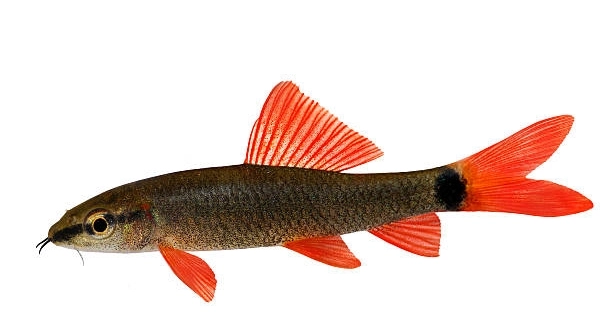
Rainbow sharks are popular aquarium fish known for their bright colors and active nature. Sometimes, they show aggression toward other tank mates, which can be stressful for both the fish and their owners. Managing this behavior is important to keep a peaceful aquarium environment.
Handling rainbow shark aggression involves a combination of tank management, proper feeding, and environmental adjustments. Key solutions include providing adequate space, adding hiding spots, avoiding overcrowding, maintaining a balanced diet, and monitoring fish behavior closely to prevent conflicts.
These simple strategies can help reduce aggression and create a healthier habitat for your rainbow sharks and their tank companions.
Understanding Rainbow Shark Aggression
Rainbow sharks can become aggressive when they feel crowded or stressed in their environment. These fish are territorial by nature, especially as they grow older. When their space is limited, they tend to chase or nip at other fish to establish dominance. This behavior can escalate if there are not enough hiding spots or if the tank has too many fish. Proper tank size is crucial to reducing conflicts. It’s also important to introduce rainbow sharks to a community tank carefully and avoid placing them with very slow or shy fish. By knowing how their aggression shows and what triggers it, you can better prepare to create a peaceful environment for all your fish. Keeping a calm tank benefits everyone and helps rainbow sharks behave more naturally.
Aggression often starts with small, repeated actions that can be managed early on. Early intervention prevents bigger issues later.
Taking time to watch your fish daily helps catch aggression signs early. Adjusting the tank setup, like adding plants or decorations, can lower stress and reduce aggressive behaviors effectively.
Tank Setup and Space Management
Proper space is one of the best ways to manage aggression in rainbow sharks. These fish need room to swim freely without feeling threatened. A tank that is too small increases stress and competition for territory. Experts recommend at least 30 gallons for one rainbow shark, with larger tanks for more fish. Besides tank size, creating zones with plants, rocks, or decorations helps fish claim separate areas. This breaks up the line of sight and stops constant chasing. Using tall plants or caves gives shy fish places to hide, reducing conflict chances. A well-organized tank encourages natural behavior and keeps peace.
Maintaining good water quality supports a healthy environment, further minimizing stress-related aggression. Regular cleaning and monitoring ensure fish stay calm and comfortable.
Feeding Habits and Aggression
Overfeeding or underfeeding can increase aggression in rainbow sharks. When hungry, they may chase other fish more aggressively to compete for food. Consistent feeding schedules and balanced diets help keep their behavior stable.
Offering a variety of foods, such as flakes, pellets, and occasional live or frozen treats, ensures good nutrition. This variety also reduces boredom, which can lead to aggression. Feeding smaller amounts multiple times a day is better than one large feeding. It keeps their energy steady and limits competition. Avoid leaving excess food in the tank, as it can cause water quality issues, which stress the fish further and increase aggressive behavior.
Good feeding habits support healthy growth and calm behavior. Observing how your rainbow shark reacts during feeding times gives clues about its aggression level and overall health.
Compatible Tank Mates
Choosing the right tank mates is key to reducing aggression. Rainbow sharks tend to be territorial, so pairing them with fast, peaceful fish works best. Avoid slow-moving or long-finned species that may become targets. Suitable companions include larger tetras, danios, and some catfish species that stay out of the rainbow shark’s preferred zones. Introducing fish gradually helps everyone adjust and lowers stress. It’s also important to keep the tank well-decorated so each fish can claim space. Monitoring interactions regularly lets you spot early signs of conflict and act quickly to protect all the fish.
Stress Reduction Techniques
Stress can trigger aggression in rainbow sharks. Keeping water parameters stable reduces their anxiety and helps calm their behavior.
Adding plants and decorations provides hiding spots that make fish feel safe. A calm environment supports healthier interactions among tank mates.
Monitoring Behavior Patterns
Regular observation is important to spot changes in your rainbow shark’s behavior. Look for increased chasing or hiding, which indicate rising aggression or stress.
Tracking these patterns over time helps you adjust care routines or tank setup before problems get worse.
Water Quality Maintenance
Keeping the water clean and stable is essential to reduce stress-induced aggression. Perform regular water changes and test for ammonia, nitrites, and nitrates frequently.
Proper filtration and avoiding overcrowding also improve water quality, making the tank a healthier space for all fish.
Using Tank Dividers
Tank dividers can be helpful to separate aggressive fish temporarily. This allows them to get used to each other without direct contact.
Dividers reduce fighting and give stressed fish a break, which can calm the overall tank environment.
FAQ
How can I tell if my rainbow shark is being aggressive?
Aggression in rainbow sharks shows as chasing, nipping, or territorial displays. You might notice your rainbow shark chasing other fish repeatedly or guarding a particular area of the tank. Signs also include torn fins on other fish and constant chasing. Sometimes, aggressive behavior appears during feeding times or when the tank feels overcrowded. Watching your fish regularly helps catch these behaviors early before they become harmful.
What size tank is best to prevent aggression?
A minimum of 30 gallons is recommended for one rainbow shark. Bigger tanks help because they provide more space to establish territories. Overcrowded tanks increase stress and cause more aggression. Adding decorations and plants helps break up the tank into smaller territories. This gives fish areas to retreat and feel safe, which lowers aggressive encounters.
Can adding more rainbow sharks reduce aggression?
Sometimes adding more rainbow sharks can spread aggression across multiple fish, which may reduce the focus on one target. However, this only works if the tank is large enough to support multiple fish. Too many rainbow sharks in a small space increase competition and stress. Always ensure plenty of space and hiding spots when adding more fish.
Are there foods that help reduce aggression?
Balanced diets with high-quality flakes, pellets, and occasional live or frozen food keep rainbow sharks healthy and less aggressive. Feeding smaller amounts multiple times a day prevents hunger-driven fights. Avoid overfeeding, which harms water quality and stresses fish. Providing variety in their diet also reduces boredom, which can trigger aggression.
What tank mates should I avoid with rainbow sharks?
Avoid slow-moving, long-finned, or very timid fish. These species often become targets of bullying. Fish like bettas, fancy guppies, or angelfish may not do well with rainbow sharks. Instead, choose fast, peaceful fish that occupy different areas of the tank, such as danios, tetras, or bottom-dwelling catfish.
How often should I clean the tank to reduce aggression?
Regular water changes every 1-2 weeks help keep water clean and reduce stress. Test the water weekly for ammonia, nitrites, and nitrates. Clean the filter as needed but avoid removing all beneficial bacteria at once. Clean water supports healthy fish behavior and prevents aggression caused by poor water quality.
Can tank dividers really help with aggression?
Yes, tank dividers can separate aggressive fish temporarily. This allows the fish to get used to each other’s presence without physical fights. It reduces stress and prevents injury. After a period, if aggression lowers, dividers can be removed slowly. Dividers are useful tools for managing aggressive behavior without removing fish from the tank.
What signs show aggression is getting worse?
Worsening aggression includes increased chasing, fin damage on multiple fish, hiding, or refusal to eat. If fish show physical injuries or one fish stays isolated, aggression may be harming the tank’s harmony. At this point, tank changes or separating fish become necessary to protect their health.
Does lighting affect aggression?
Lighting itself doesn’t cause aggression but sudden changes or very bright lights can stress fish. Stress makes rainbow sharks more likely to act aggressively. Using a consistent light schedule and providing shaded areas or plants can help fish feel secure.
How long does it take for rainbow sharks to calm down?
Aggression levels can drop within days to weeks after changes like adding hiding spots, adjusting tank mates, or improving feeding. Patience is key because fish need time to establish new territories and feel safe. Monitoring behavior regularly ensures you know when they’ve settled.
Final Thoughts
Managing aggression in rainbow sharks takes attention and care but is achievable with the right steps. These fish are naturally territorial, so some level of aggression is normal. The key is to keep this behavior under control to protect other fish and maintain a peaceful aquarium. Providing enough space, good hiding spots, and a balanced diet plays a big role in calming your rainbow shark. Regular monitoring and early action when signs of aggression appear also help prevent serious problems. Taking time to understand your fish’s needs improves their well-being and your enjoyment of the tank.
Tank setup matters a lot in reducing aggressive behavior. A larger tank with zones created by plants and decorations gives fish places to hide and claim as their own. This reduces chasing and fighting over territory. Water quality also affects behavior. Clean, well-filtered water lowers stress, which in turn lowers aggression. Feeding a varied diet several times a day keeps fish healthy and less hungry, so they are less likely to fight over food. The right tank mates can also make a difference. Choosing peaceful, fast-moving fish that stay out of the rainbow shark’s way helps keep the community calm.
Finally, remember that patience is important. Changes in fish behavior do not happen overnight. It can take days or weeks for rainbow sharks to adjust after introducing new tank mates or rearranging their environment. Watching your fish closely and making small, thoughtful changes is better than quick fixes. Using tools like tank dividers can help during transition periods. With consistent care and observation, you can reduce aggression and create a tank where your rainbow sharks and their companions live more peacefully together. This will lead to a healthier, more enjoyable aquarium for you to care for.

Hello,
If you enjoy the content that we create, please consider saying a "Thank You!" by leaving a tip.
Every little bit helps us continue crafting quality advice that supports the health, happiness, and well-being of pets around the world, for pets of all shapes, sizes, and species.
We really appreciate the kindness and support that you show us!