
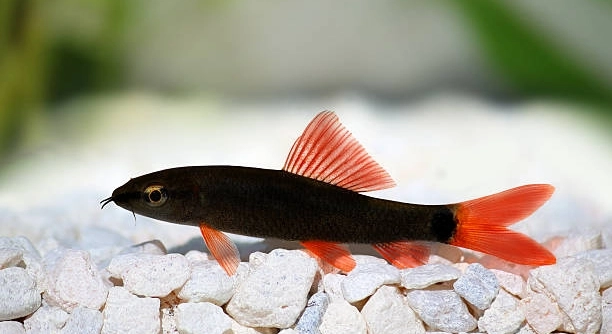
Rainbow shark tanks can be a beautiful addition to any home aquarium. These fish are active and interesting, but they require special care to thrive. Knowing what to avoid is key to keeping them healthy and happy.
There are several actions that should never be done in a rainbow shark tank, such as overcrowding the tank, mixing incompatible species, neglecting water quality, overfeeding, using improper tank decorations, ignoring signs of illness, and failing to maintain proper filtration.
Understanding these important points will help ensure a peaceful environment for your rainbow sharks and promote their well-being in your aquarium.
Overcrowding the Tank
Keeping too many fish in a rainbow shark tank can cause serious problems. Rainbow sharks need space to swim and establish their territory. When the tank is overcrowded, fish can become stressed and aggressive. This stress weakens their immune systems, making them more likely to get sick. Overcrowding also leads to poor water quality because waste builds up faster than the filtration system can handle. This creates harmful conditions that can harm or even kill your fish. It’s important to know the right tank size and the number of fish it can support. For rainbow sharks, a minimum of 30 gallons per fish is recommended. Providing enough room helps your rainbow sharks live longer and stay healthier.
Proper tank stocking prevents aggression and maintains good water conditions for your rainbow sharks.
Taking time to plan your tank size and the number of fish will keep your rainbow sharks comfortable and thriving. Always consider their space needs before adding new fish.
Mixing Incompatible Species
Mixing incompatible species with rainbow sharks can lead to fights and injuries. Rainbow sharks are semi-aggressive and can be territorial, especially with similar-looking fish. It’s best to avoid keeping them with slow-moving or small fish that can become targets. Aggressive or nippy species should also be avoided as they may stress the rainbow shark. Choosing tank mates that are peaceful but sturdy is the best approach. Examples include larger tetras, danios, or peaceful catfish. It’s important to research species compatibility before setting up your tank.
Incompatible species can cause stress and harm to your rainbow sharks, leading to poor health.
When selecting tank mates, consider the temperament and size of the fish. Some species may share space well, while others will not tolerate the rainbow shark’s territorial behavior. Introducing new fish slowly and watching their interactions can help prevent conflict. Maintaining a well-planned community tank will improve the overall health and happiness of your aquatic pets. Avoiding incompatible species protects your rainbow shark from unnecessary stress and injury, ensuring a peaceful tank environment.
Neglecting Water Quality
Poor water quality harms rainbow sharks quickly. Dirty water causes stress, disease, and sometimes death. Regular testing and cleaning are essential to keep the tank safe.
Maintaining good water quality means checking ammonia, nitrite, and nitrate levels regularly. Frequent partial water changes help keep these levels low and prevent toxin buildup. The tank filter must be cleaned but not completely replaced, so beneficial bacteria stay alive. Using a water conditioner removes harmful chlorine from tap water, protecting your fish.
Ignoring water quality signs like cloudy water or strong odors can lead to long-term damage. Rainbow sharks are sensitive to changes in their environment, so staying consistent with tank maintenance keeps them healthy and active.
Overfeeding
Overfeeding leads to excess waste and dirty water. It can also cause obesity and health issues in rainbow sharks. Feed only what they can eat in a few minutes.
Feeding small amounts twice a day is ideal. Uneaten food decomposes and pollutes the tank, increasing ammonia levels. This stresses fish and may cause illness. Overfeeding can also lead to fatty liver disease and digestive problems in rainbow sharks.
To avoid these risks, measure food portions carefully and remove leftovers quickly. Offering a balanced diet with high-quality pellets, flakes, and occasional live or frozen food supports their health. Proper feeding habits ensure your rainbow sharks stay vibrant and strong for longer.
Using Improper Tank Decorations
Sharp or rough decorations can injure rainbow sharks easily. They need smooth surfaces to swim around safely.
Avoid using decorations with jagged edges or unsafe materials. Smooth rocks, driftwood, and plastic plants work best to protect their delicate fins and bodies.
Ignoring Signs of Illness
Changes in behavior, appetite, or appearance often show health problems early. Monitoring your fish daily helps catch issues before they worsen.
Failing to Maintain Proper Filtration
A good filtration system is vital to keep water clean and oxygenated. Weak or dirty filters cause poor water conditions, stressing the fish and risking disease.
Keeping the Tank Too Small
Rainbow sharks need plenty of space to swim and grow. Small tanks limit their movement, increasing stress and aggression.
FAQ
What size tank is best for a rainbow shark?
A minimum of 30 gallons is recommended for one rainbow shark. They need plenty of swimming space and territory. Larger tanks help reduce aggression and provide better water quality stability. If you plan to keep more than one, increase the size accordingly.
Can rainbow sharks live with other fish?
Yes, but only with peaceful, similarly sized fish that won’t provoke aggression. Avoid slow-moving or small fish that may be bullied. Good tank mates include larger tetras, danios, and peaceful catfish. Always research compatibility before adding new fish to the tank.
How often should I change the water in a rainbow shark tank?
Perform partial water changes of 20-30% weekly. This helps remove toxins and keeps water quality high. More frequent changes might be needed if the tank is crowded or the filtration is weak. Regular testing of water parameters will guide your schedule.
What do rainbow sharks eat?
Rainbow sharks are omnivores and eat pellets, flakes, and occasional live or frozen foods like bloodworms or brine shrimp. A balanced diet supports their health and coloration. Feed small amounts twice daily, only what they can eat in a few minutes.
Why is my rainbow shark hiding?
Hiding often means stress or illness. It could be caused by poor water quality, aggression from tank mates, or inadequate tank conditions. Check water parameters and observe interactions with other fish. Adjusting the environment usually helps them feel safe again.
How aggressive are rainbow sharks?
They are semi-aggressive and territorial, especially in smaller tanks. They may chase or nip other fish, mainly if overcrowded or stressed. Providing enough space and suitable tank mates reduces conflicts.
Can I keep more than one rainbow shark in the same tank?
It’s possible with a very large tank (at least 55 gallons) to reduce territorial fights. However, some aggression may still occur. Providing hiding spots and visual barriers helps ease tensions.
How do I know if my rainbow shark is sick?
Signs include loss of appetite, clamped fins, erratic swimming, spots or discoloration, and hiding more than usual. Early detection and treatment are critical to prevent serious illness.
What kind of filtration is best for a rainbow shark tank?
A strong filter with mechanical, chemical, and biological filtration is best. It must handle the tank size and fish load to keep water clean and oxygenated. Regular maintenance ensures it works efficiently.
Can rainbow sharks live in cold water?
No, they prefer tropical temperatures between 74-80°F (23-27°C). Sudden temperature drops can cause stress and illness. Use a reliable heater to maintain stable warmth.
How long do rainbow sharks live?
With proper care, they can live 5-8 years or longer. Good diet, clean water, and suitable tank mates contribute to their lifespan.
Do rainbow sharks need plants in their tank?
Plants are beneficial as they provide hiding spots and help improve water quality. Use hardy plants that can tolerate their activity, like Java fern or Anubias. Avoid delicate plants that may be uprooted.
What should I do if my rainbow shark bites other fish?
Separate aggressive fish temporarily if needed. Check tank size, reduce overcrowding, and add decorations to break line of sight. Often, these changes reduce aggression without long-term separation.
Is it okay to handle rainbow sharks?
Handling is stressful and should be avoided unless necessary, such as during tank cleaning or medical treatment. Always be gentle and minimize handling time to reduce stress.
How can I improve my rainbow shark’s color?
Provide a varied diet with high-quality foods rich in carotenoids and vitamins. Keep water clean and stable. Stress reduction also helps maintain bright colors.
What is the best way to acclimate a new rainbow shark?
Float the sealed bag in the tank to match temperature. Slowly add small amounts of tank water to the bag over an hour. Then gently release the fish into the tank to reduce shock.
This FAQ covers the most common concerns to help your rainbow shark live a healthy, stress-free life.
Taking care of a rainbow shark requires attention to several important details. It is not enough to just add the fish to a tank and hope for the best. These fish need the right environment to thrive. Ensuring proper tank size, clean water, and compatible tank mates will help your rainbow shark stay healthy and active. Avoiding common mistakes like overcrowding and overfeeding plays a big role in preventing stress and illness. A well-maintained tank creates a peaceful space for your fish, making it easier for them to show their natural behavior and colors.
Water quality is one of the most important factors for rainbow sharks. They are sensitive to poor water conditions and can quickly become sick if the water is not clean. Regular water changes and proper filtration are necessary to keep toxins low and oxygen levels high. Testing the water often helps catch problems early before they affect the fish. Along with water care, feeding the right amount and type of food is essential. Overfeeding can cause pollution and health problems, so it is best to feed only what the fish can eat in a few minutes. A balanced diet supports growth and enhances the shark’s vibrant colors.
Finally, it is important to watch your rainbow shark closely for signs of trouble. Changes in behavior, appearance, or appetite often signal stress or illness. Early detection allows for quick action, which can save the fish from serious health issues. Providing hiding places and avoiding aggressive tank mates also helps reduce stress. Keeping these points in mind will make caring for your rainbow shark easier and more rewarding. With proper care and attention, your rainbow shark can live a long, healthy life and be a beautiful part of your aquarium.

Hello,
If you enjoy the content that we create, please consider saying a "Thank You!" by leaving a tip.
Every little bit helps us continue crafting quality advice that supports the health, happiness, and well-being of pets around the world, for pets of all shapes, sizes, and species.
We really appreciate the kindness and support that you show us!