
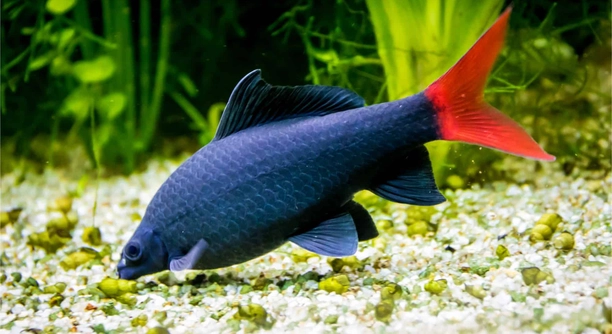
Rainbow sharks are popular freshwater fish known for their vibrant colors and active swimming. They often show territorial behavior, which can cause tension in community tanks. Understanding this behavior helps in managing their interactions peacefully.
Managing rainbow shark territorial behavior involves creating enough space, providing hiding spots, and maintaining stable tank conditions. Consistent feeding schedules and monitoring fish interactions reduce aggression and promote harmony among tank mates.
These simple steps can make your aquarium a calmer, more enjoyable environment for all your fish.
Providing Enough Space for Rainbow Sharks
Rainbow sharks need plenty of room to swim and establish their territories. A small tank causes stress and increases aggressive behavior. Ideally, the tank should be at least 55 gallons for one or two rainbow sharks. This gives them enough space to move freely without feeling crowded. More room also helps reduce confrontations with other fish. When tanks are overcrowded, rainbow sharks may become defensive and chase tank mates.
Besides size, the shape of the tank matters too. Longer tanks give rainbow sharks more horizontal space to patrol. Avoid tall, narrow tanks because rainbow sharks prefer swimming near the bottom and along the sides. Providing an environment close to their natural habitat can lower territorial disputes. This also helps keep the fish calm and less likely to fight. Keeping the tank clean and well-maintained supports a peaceful setup.
Having enough space makes a big difference in managing rainbow shark behavior. It reduces stress and encourages a healthier, calmer fish.
Adding Hiding Places
Hiding spots reduce stress and aggression by giving rainbow sharks places to retreat. Plants, rocks, and decorations create natural barriers and safe zones. These areas help fish feel secure and less threatened by others. When rainbow sharks have places to hide, they are less likely to chase tank mates. A tank without hiding places often leads to constant conflicts.
Providing shelters also mimics the fish’s natural environment, where they can rest and avoid danger. This lowers their territorial instincts, helping keep peace in the tank.
Using plants and decorations thoughtfully improves the tank’s balance.
Monitoring Fish Interactions
Keeping an eye on how your rainbow shark interacts with other fish is important for early problem detection. Some fish may not get along well, increasing territorial disputes. Observing allows you to act quickly if aggression rises. If one fish is being bullied or injured, consider rearranging the tank or separating the aggressive fish. Sometimes, simply moving decorations or changing the tank layout can break up territories and reduce fighting.
Avoid adding too many bottom-dwelling species because they compete with rainbow sharks for space. Choose peaceful fish that swim in different areas to minimize conflicts. Regular observation ensures the tank remains a calm place for all inhabitants. Adjustments based on what you see can prevent bigger problems later.
Taking time to watch your fish’s behavior pays off in a balanced aquarium.
Maintaining Stable Tank Conditions
Stable water conditions keep rainbow sharks calm and less likely to act aggressively. Sudden changes in temperature, pH, or water quality cause stress, which can increase territorial behavior. Regular testing and water changes are essential for a healthy tank.
Keeping the water clean and stable involves routine monitoring and maintenance. Rainbow sharks prefer slightly acidic to neutral pH, around 6.5 to 7.5, and temperatures between 72°F and 79°F. Sudden fluctuations can stress them and trigger territorial disputes. Using a reliable heater and filter helps maintain steady conditions. Frequent partial water changes prevent buildup of harmful chemicals. Proper tank cycling before introducing fish creates a stable environment from the start. Stability in the tank reduces the chances of rainbow sharks becoming aggressive over territory or resources.
Consistent conditions support healthier fish and a more peaceful aquarium.
Proper filtration and temperature control go a long way in managing fish stress and behavior.
Feeding Routine and Diet
A regular feeding schedule keeps rainbow sharks satisfied and less likely to compete aggressively. Feeding the right amount and type of food helps maintain their health and reduce territorial fighting.
Rainbow sharks are omnivores that enjoy a varied diet. High-quality sinking pellets form the base of their diet because they feed near the bottom. Supplementing with live or frozen foods like bloodworms, brine shrimp, and daphnia adds essential nutrients. Vegetables such as blanched zucchini or spinach can also be offered occasionally. Feeding should happen once or twice daily, providing only what the fish can consume in a few minutes. Overfeeding leads to poor water quality, which stresses fish and may increase aggression. Underfeeding causes hunger-driven fights, especially during feeding time.
Maintaining a balanced diet with consistent feeding times helps keep territorial behavior under control and your rainbow shark healthy.
Choosing Compatible Tank Mates
Picking the right tank mates can reduce aggression in rainbow sharks. Avoid small, slow-moving fish that get easily stressed. Fast swimmers and mid-to-top dwellers make better companions.
Peaceful fish that stay in different parts of the tank help minimize territorial disputes. This balance encourages a calmer environment for everyone.
Rearranging Tank Layout
Changing the tank layout can break established territories and reduce aggression. Moving decorations, plants, or hiding spots forces rainbow sharks to explore new areas. This resets their territorial boundaries and lowers conflict chances.
Regular rearrangements keep fish from settling into fixed aggressive patterns, promoting peace in the aquarium.
Avoid Overcrowding
Overcrowding increases competition for space and resources, leading to more fighting. Providing enough room for each fish reduces stress and aggression.
A spacious tank allows rainbow sharks and their tank mates to coexist more peacefully, lowering territorial disputes.
FAQ
Why does my rainbow shark act aggressively sometimes?
Rainbow sharks are naturally territorial fish, especially as they mature. They may show aggression to protect their space or food sources. Stress from overcrowding, poor water quality, or incompatible tank mates can also trigger aggressive behavior. Providing enough space and hiding spots usually reduces this.
How much space does a rainbow shark need?
A minimum of 55 gallons is recommended for one or two rainbow sharks. They need enough room to swim freely and establish territories without feeling crowded. Larger tanks help reduce stress and aggression.
Can rainbow sharks live peacefully with other fish?
Yes, if the tank is large enough and tank mates are chosen carefully. Avoid small, slow fish that might get bullied. Peaceful mid-to-top swimmers work best, as rainbow sharks patrol the bottom areas.
What should I feed my rainbow shark?
They are omnivores, so provide a mix of sinking pellets, live or frozen foods like bloodworms, and occasional vegetables like blanched zucchini. Feed once or twice daily, only what they can eat in a few minutes.
How often should I change the water?
Partial water changes of 20-30% every week or two keep the tank clean and water stable. Good water quality reduces stress and aggression in rainbow sharks.
Can rearranging decorations help reduce aggression?
Yes. Changing the tank layout breaks up territories and reduces conflicts. It encourages fish to explore new spaces and lowers territorial fighting.
Is it okay to keep multiple rainbow sharks together?
It can work if the tank is large enough and there are plenty of hiding spots. However, some aggression is still possible, so watch their behavior and be ready to separate them if needed.
What water parameters do rainbow sharks prefer?
They thrive in water with a pH between 6.5 and 7.5 and temperatures from 72°F to 79°F. Stable conditions help reduce stress and aggression.
How do I know if my rainbow shark is stressed?
Signs include hiding too much, loss of appetite, or constant chasing of other fish. Stress often leads to more aggressive behavior, so address tank conditions quickly.
Can overcrowding cause aggression?
Definitely. Overcrowded tanks increase competition for space and resources, making rainbow sharks more territorial and aggressive.
Are live plants good for rainbow shark tanks?
Yes, live plants provide hiding spots and help improve water quality. They create a more natural environment that lowers stress and aggression.
What should I do if my rainbow shark keeps bullying other fish?
Try adding more hiding places, rearranging the tank, or increasing tank size. If aggression continues, consider separating the aggressive fish to prevent injury.
How important is tank maintenance for behavior?
Very important. Regular water testing, cleaning, and filter maintenance keep conditions stable, which reduces stress-related aggression in rainbow sharks.
Can poor diet cause territorial fights?
Yes. If rainbow sharks are hungry or not receiving proper nutrition, they may become more aggressive. A balanced diet and regular feeding help keep them calm.
What types of fish should I avoid with rainbow sharks?
Avoid slow, small bottom dwellers that may be bullied. Also, aggressive species that compete for territory can make the situation worse.
How long do rainbow sharks live?
With good care, they can live up to 5-7 years in captivity.
Do rainbow sharks need a specific tank setup?
They prefer tanks with plenty of open swimming space near the bottom and plenty of hiding spots like caves and plants.
Is it normal for rainbow sharks to chase each other?
Some chasing is normal as they establish territories, but constant aggressive chasing means stress or overcrowding issues.
Can adding more fish reduce aggression?
Sometimes, adding more fish spreads out territorial behavior, but overcrowding must be avoided to prevent more stress.
What’s the best way to introduce a new rainbow shark?
Quarantine new fish first. Introduce them slowly, rearrange the tank to break existing territories, and monitor closely for aggression.
These questions cover common concerns and can help keep rainbow sharks and their tank mates happier and healthier.
Managing rainbow shark territorial behavior takes some effort, but it is very rewarding. These fish have unique personalities and can be a colorful addition to many aquariums. The key is understanding their needs for space, hiding places, and stable conditions. When these needs are met, rainbow sharks are less likely to act aggressively and more likely to coexist peacefully with other fish.
Providing a large enough tank with plenty of places to hide is essential. Rainbow sharks stake out their own territory, so they need room to swim and rest without feeling threatened. Rearranging decorations every so often can help keep territorial fights down by breaking up established areas. It is also important to maintain good water quality by doing regular water changes and monitoring temperature and pH. Stable water conditions reduce stress, which helps keep rainbow sharks calm.
Feeding a balanced diet on a consistent schedule also plays a role in controlling behavior. Hungry or underfed fish tend to be more aggressive, especially during feeding times. Choosing compatible tank mates and avoiding overcrowding will make the whole aquarium a more peaceful place. Watching your fish regularly to notice changes in behavior can help catch problems early before they get worse. With patience and proper care, rainbow sharks can thrive and bring life to your aquarium without constant territorial struggles.

Hello,
If you enjoy the content that we create, please consider saying a "Thank You!" by leaving a tip.
Every little bit helps us continue crafting quality advice that supports the health, happiness, and well-being of pets around the world, for pets of all shapes, sizes, and species.
We really appreciate the kindness and support that you show us!