
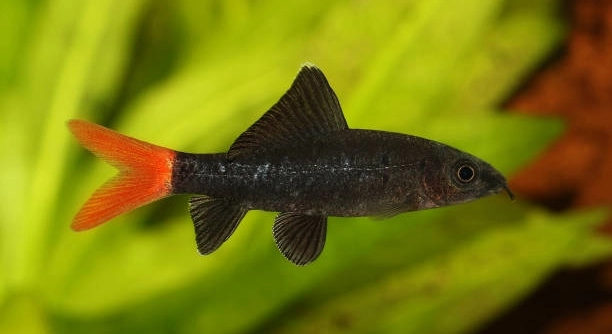
Rainbow Sharks are popular freshwater fish often kept in home aquariums. Knowing what they eat helps keep them healthy and happy. Their diet plays an important role in how well they grow and interact with their environment.
Rainbow Sharks are omnivores that require a balanced diet of both plant-based and protein-rich foods. They thrive on high-quality pellets, live or frozen insects, and occasional vegetables, ensuring proper nutrition for optimal health and coloration.
Understanding their dietary needs will help you provide the best care for your Rainbow Shark and promote a vibrant, active fish in your tank.
What Rainbow Sharks Eat in the Wild
Rainbow Sharks mainly feed on small insects, larvae, and algae in their natural habitats. Their diet is diverse, helping them get a mix of nutrients from both animal and plant sources. In rivers and streams, they often graze on algae growing on rocks and debris. This helps keep their teeth clean and supports their digestion. They also hunt tiny crustaceans and insect larvae, which provide necessary protein for growth. Wild Rainbow Sharks have a balanced diet that supports their vibrant colors and active behavior. Understanding their natural diet helps replicate these conditions in an aquarium, promoting health and longevity. A diet lacking in variety can lead to dull colors or health problems over time. This mix of plant and protein-based food keeps them strong and resilient in the wild.
Their wild diet is balanced, with plenty of protein and plant matter for good health.
Replicating the natural feeding habits of Rainbow Sharks in captivity means providing a mix of protein-rich foods and plant-based options. This helps maintain their energy levels and bright colors, making them healthier and more active.
Feeding Rainbow Sharks in an Aquarium
In aquariums, Rainbow Sharks need food that meets their nutritional needs without overfeeding. A staple diet of high-quality sinking pellets or wafers designed for omnivorous fish is essential. These pellets contain the right mix of vitamins and proteins for overall health. Supplementing pellets with live or frozen foods such as bloodworms, brine shrimp, or daphnia helps add variety and encourages natural hunting behaviors. Occasionally offering blanched vegetables like zucchini or spinach provides fiber and nutrients, supporting digestion. Feeding small amounts twice a day prevents overfeeding, which can cause water quality issues and health problems for the fish. It’s important to remove uneaten food after a few minutes to keep the tank clean. Maintaining a consistent feeding routine keeps Rainbow Sharks active and thriving in a home aquarium.
Feeding Frequency and Portion Control
Feeding Rainbow Sharks twice a day in small portions works best. Overfeeding can cause health problems and dirty water.
Proper portion control prevents leftover food from polluting the tank. Small amounts ensure your Rainbow Shark eats everything within a few minutes, reducing waste. Feeding twice daily mimics their natural feeding habits, keeping their metabolism steady. Consistent feeding times help maintain their energy and activity levels.
If you feed too much at once, uneaten food can rot and affect water quality. Uneaten food also raises the risk of obesity and digestive issues. Keeping portions small promotes better digestion and overall health. Monitoring how much your fish eats daily is important to avoid these problems.
Choosing the Right Foods for Rainbow Sharks
Rainbow Sharks need a mix of protein and plant-based foods for balanced nutrition. Quality pellets are the foundation of their diet.
In addition to pellets, offering live or frozen foods like bloodworms or brine shrimp provides protein and variety. Vegetables such as spinach or zucchini can be added occasionally for fiber and vitamins. This balanced diet supports their bright colors and energy.
Avoid feeding only one type of food. A varied diet mimics natural eating habits and prevents nutritional gaps. Different food textures also stimulate their appetite and reduce boredom. Variety helps keep Rainbow Sharks healthy and active over time.
Importance of Vegetables in Their Diet
Vegetables add essential fiber and nutrients to a Rainbow Shark’s diet. They help with digestion and overall health.
Blanched zucchini, spinach, and peas are good options. These vegetables are easy to digest and provide vitamins that pellets alone might miss.
Signs of Poor Nutrition
A Rainbow Shark with poor nutrition may show dull colors, sluggish behavior, or weight loss. These signs indicate a need for diet adjustment.
Proper feeding and variety can prevent these issues and keep your fish lively and healthy.
Avoid Overfeeding
Overfeeding can harm both your fish and aquarium environment. It can cause water pollution and health problems for your Rainbow Shark.
FAQ
What should I feed my Rainbow Shark daily?
A daily diet should include high-quality sinking pellets formulated for omnivorous fish. Supplement these pellets with small amounts of live or frozen foods like bloodworms, brine shrimp, or daphnia several times a week. Adding blanched vegetables such as zucchini or spinach once or twice a week provides fiber and vitamins.
Can Rainbow Sharks eat flakes instead of pellets?
Flakes are not ideal for Rainbow Sharks because these fish prefer sinking food that reaches the bottom of the tank. Pellets or wafers designed for bottom feeders are better because Rainbow Sharks spend most of their time near the tank floor searching for food.
How much should I feed my Rainbow Shark at one time?
Feed only what the fish can eat in 2-3 minutes. Typically, this means a small pinch of pellets or a few pieces of frozen or live food. Overfeeding leads to uneaten food, which pollutes the water and may cause health problems.
Is it necessary to provide live food?
Live food is not absolutely necessary but highly beneficial. It encourages natural hunting behavior and provides extra protein and nutrients. If live food is hard to find, frozen alternatives work well. Both options add variety to the diet and help keep the fish interested in feeding.
How often should I feed vegetables?
Vegetables should be offered about once or twice a week. Small amounts of blanched zucchini, spinach, or peas help with digestion and supply vitamins. Avoid overfeeding vegetables to prevent digestive upset.
Can Rainbow Sharks eat algae?
Yes, Rainbow Sharks naturally graze on algae in the wild. In aquariums, they may nibble on algae growing in the tank, which provides some nutrients. However, algae alone cannot meet their nutritional needs and should be considered a supplement, not a main food source.
What happens if I overfeed my Rainbow Shark?
Overfeeding can lead to obesity, poor water quality, and increased risk of diseases. Uneaten food decomposes and pollutes the tank, raising ammonia levels harmful to fish. Feeding controlled portions and removing leftover food keeps your tank clean and your fish healthy.
How do I know if my Rainbow Shark is hungry?
Rainbow Sharks usually show interest when food is introduced. They swim actively toward feeding areas and may nip at the substrate. If they ignore food or seem lethargic, it might indicate health or dietary issues rather than hunger.
Can I feed my Rainbow Shark human food?
Feeding human food is not recommended. Many human foods lack the proper nutrients and may contain harmful additives or spices. Stick to foods designed for fish to ensure balanced nutrition and avoid health problems.
Is fasting necessary for Rainbow Sharks?
Occasionally skipping one feeding can help clear the digestive system and prevent constipation. However, fasting should not be frequent. Maintaining a regular feeding schedule with appropriate portion sizes is more important for long-term health.
What are good protein sources for Rainbow Sharks?
Good protein sources include bloodworms, brine shrimp, daphnia, and tubifex worms. These can be given live or frozen. Protein is important for growth, color development, and overall energy.
Can Rainbow Sharks eat dried foods?
Yes, dried foods like pellets and wafers specifically made for omnivorous fish are suitable. Avoid generic fish flakes that float on top, as Rainbow Sharks feed mostly near the bottom. Choose high-quality brands with balanced ingredients.
How can I improve my Rainbow Shark’s diet?
Offer a variety of foods including pellets, live or frozen protein sources, and occasional vegetables. Watch your fish’s behavior and appearance to adjust feeding amounts and frequency. Clean the tank regularly to avoid buildup of uneaten food and waste.
Is feeding frequency different for baby and adult Rainbow Sharks?
Yes, baby Rainbow Sharks require more frequent feedings, usually three times a day in smaller portions. Adults do well with two feedings daily. Young fish grow quickly and need extra nutrients, so their diet should be monitored closely.
What are common mistakes in feeding Rainbow Sharks?
Common mistakes include overfeeding, offering only one type of food, feeding flakes instead of pellets, and neglecting to provide plant-based foods. These errors can cause poor health, dull colors, and digestive problems. Variety and portion control are key to success.
Taking care of a Rainbow Shark’s diet is important for its health and happiness. These fish need a good balance of protein and plant-based foods to stay active and colorful. Feeding them high-quality pellets, live or frozen protein, and some vegetables helps meet their nutritional needs. It’s best to feed them small amounts twice a day, so they don’t get sick from too much food or cause water problems from leftovers. Keeping their diet varied also makes sure they get all the vitamins and minerals they need.
Watching how your Rainbow Shark reacts to its food can tell you a lot. If the fish looks dull, slow, or loses weight, it might mean it is not getting the right diet. In that case, try adding different foods or adjusting the amount you feed. Also, avoid feeding just one type of food all the time, as this can cause health issues. Providing vegetables now and then helps with digestion and keeps your fish from getting bored. Remember, too much food or wrong food can lead to poor water quality and stress for your fish.
Overall, feeding a Rainbow Shark well is about balance and attention. Giving the right foods, feeding at regular times, and not overdoing the portions will support their health for a long time. With the right care, Rainbow Sharks can live happily in your tank, showing their beautiful colors and natural behavior. Paying attention to their diet is one of the best ways to enjoy having these interesting fish in your home aquarium.

Hello,
If you enjoy the content that we create, please consider saying a "Thank You!" by leaving a tip.
Every little bit helps us continue crafting quality advice that supports the health, happiness, and well-being of pets around the world, for pets of all shapes, sizes, and species.
We really appreciate the kindness and support that you show us!