
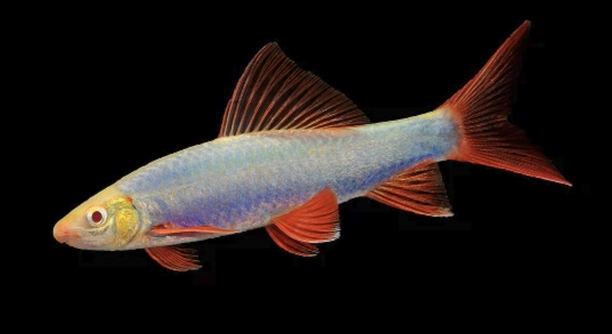
Have you ever set up the perfect tank for your rainbow shark but noticed they never seem interested in breeding? You’re not alone, and it can be a bit frustrating at times.
Encouraging rainbow shark breeding requires a specific environment, consistent water parameters, and careful tankmate selection. These fish are territorial and solitary, making breeding attempts difficult without ideal conditions, proper tank size, and a controlled, low-stress environment.
Understanding these tips can improve your rainbow shark’s quality of life and increase your chances of seeing breeding behavior in a home aquarium.
Create the Right Tank Setup
A proper tank setup plays a major role in encouraging rainbow shark breeding. Start with a tank that holds at least 75 gallons to give them enough space to establish territory. Use a soft, sandy substrate and add smooth rocks or driftwood for hiding spots. Plants like Java fern and Anubias help create safe zones while keeping the environment natural. Maintain a consistent water temperature around 77°F and keep pH levels between 6.5 and 7.0. Install a gentle filtration system to avoid strong currents, and use a sponge filter if needed. Make sure lighting stays moderate to avoid stress. Limit tank decorations that could cause injuries or restrict swimming space. Choose peaceful tankmates or consider a separate breeding tank altogether. Avoid overcrowding. Add floating plants to help diffuse light and give extra cover. Keep the lid secure, as rainbow sharks can jump when stressed.
Avoid sharp decorations or anything that may make your rainbow shark feel threatened. Stress will quickly prevent any breeding behavior from developing.
Once the tank feels balanced and safe, your rainbow sharks will have a better chance of settling in. With enough space and calm surroundings, they may become more receptive to pairing and showing signs of readiness to breed.
Keep Water Conditions Stable
Keeping the water clean and consistent can directly affect your rainbow shark’s comfort and health, both of which impact breeding.
Rainbow sharks can be sensitive to fluctuations, especially in a breeding setup. Regularly test the water to ensure ammonia and nitrite levels stay at zero, and nitrates remain under 20 ppm. Use a heater to keep the temperature stable around 77°F. A slight variation can disrupt their mood or lead to illness. Weekly water changes of about 25% will help keep everything balanced and clear. Avoid using tap water straight from the source—treat it first to remove chlorine and other harmful chemicals. When refilling, match the new water’s temperature to what’s already in the tank. A sudden shift, even just a few degrees, could cause stress. Don’t overfeed, as leftover food affects the water quality. If you use a filter with carbon, remember to replace it regularly. Clean the filter media gently to avoid killing helpful bacteria. Stable water helps reduce aggression and increases the chances of successful pairing.
Choose the Right Tankmates
Rainbow sharks don’t do well with overly aggressive or very timid fish. Their semi-aggressive nature can create tension if the tankmates aren’t chosen carefully, especially during breeding periods when territorial behavior increases.
Look for mid-sized, fast-swimming fish that can hold their own without provoking fights. Fish like barbs, danios, or loaches often work well. Avoid slow-moving fish with long fins, like angelfish or bettas, since they may become targets. Never house two rainbow sharks in a small tank, especially if they’re the same sex. If you want to try pairing them, do it in a larger tank with clear visual barriers to reduce direct line of sight. Introducing both fish at the same time can help reduce territorial disputes. Watch closely for signs of fighting and be ready to separate them if necessary. Compatibility plays a major role in reducing stress and supporting possible breeding behavior.
Carefully observing interactions between tankmates can give you an early warning if stress levels are rising. Subtle chasing or hiding may indicate one fish is being pushed around. If this happens often, it’s best to remove the problem fish. Aggression doesn’t always look dramatic, but it still disrupts the balance needed for breeding. A peaceful tank creates a better chance for success.
Feed a Protein-Rich Diet
Food has a direct impact on energy, health, and breeding readiness. Protein plays a big role in encouraging breeding behavior and helps condition the fish properly for spawning.
Give your rainbow sharks a mix of high-protein flakes, sinking pellets, and live or frozen foods. Bloodworms, brine shrimp, and daphnia are great options. Feeding small portions twice a day works better than one large meal. This supports growth and keeps the tank cleaner. Remove uneaten food after feeding to protect water quality. Overfeeding can cause bloating and affect swimming behavior. You can also include vegetables like blanched spinach or zucchini once or twice a week to balance the diet. For breeding purposes, focus mostly on protein and stick to a regular schedule. After a few weeks of this feeding routine, your rainbow sharks may start showing signs of pairing or territorial displays, which is a good step forward in the breeding process.
Provide Hiding Spots and Boundaries
Hiding spots help rainbow sharks feel secure, especially when they become more territorial. Use caves, stacked rocks, or thick plants to create breaks in sightlines. These areas lower stress and give the fish a place to retreat during aggressive moments.
Separating spaces within the tank also helps prevent direct conflict. Use decorations or driftwood to divide the tank visually. This creates natural boundaries, reducing the chance of constant chasing. When each fish has its own area, they’re more likely to feel calm and behave naturally, which is important when trying to support breeding behavior.
Monitor Behavior Closely
Watch for signs of pairing or chasing that stays non-violent. Occasional displays or flaring fins are normal, but constant nipping or hiding means there’s too much tension. If one fish starts to guard an area or both begin circling each other calmly, they may be showing early signs of bonding.
Keep the Tank Quiet
Avoid loud noises or sudden movement near the tank. Even light tapping or frequent rearranging can raise stress levels. A peaceful, quiet space helps the fish stay calm and more likely to display natural behavior.
FAQ
How long does it take for rainbow sharks to breed?
Rainbow sharks usually take several months to show breeding behavior after being introduced to the right conditions. Maturity occurs around 1 year of age, but even then, they need stable water conditions, space, and minimal stress to feel ready. Breeding can be slow because they are naturally territorial and shy around others. Patience is key; rushing the process by changing too many factors at once can cause more harm than good.
What is the best temperature for breeding rainbow sharks?
The ideal temperature for breeding is around 77°F to 82°F (25°C to 28°C). Slightly warmer water encourages activity and can stimulate spawning. However, keep the temperature steady without sudden changes, as fluctuations can stress the fish and reduce breeding chances. Use a reliable heater and thermometer to maintain consistency.
Do rainbow sharks lay eggs or give live birth?
Rainbow sharks are egg layers. The female will deposit eggs on flat surfaces such as rocks or broad leaves. After laying, the male fertilizes the eggs externally. The parents usually don’t guard the eggs, so it’s important to protect them from other fish or move them to a separate breeding tank for safety.
How many eggs do rainbow sharks lay at once?
A female can lay anywhere from 300 to 1,000 eggs during one spawning event, depending on her size and health. Most of these eggs are sticky and will attach to surfaces in the tank. Unfortunately, not all eggs will hatch, and many can be lost to fungus or other tank inhabitants if not cared for properly.
Should I separate the parents after spawning?
It’s a good idea to separate the parents after spawning. Rainbow sharks don’t usually care for their eggs and may eat them if left in the same tank. Moving the eggs to a dedicated breeding or nursery tank helps protect them and improves the survival rate of the fry.
How do I care for rainbow shark fry?
Fry are very small and sensitive once they hatch. Feed them finely crushed flakes or specially made fry food multiple times daily. Keep the water clean with gentle filtration and frequent small water changes. Avoid strong currents as fry can be weak swimmers. Keep lighting dim and provide hiding places with fine plants or spawning mops.
Can rainbow sharks breed in community tanks?
Breeding in community tanks is rare because of stress, competition, and aggressive behaviors. Rainbow sharks prefer quieter, less crowded environments to breed. If you want to encourage breeding, consider setting up a separate tank specifically for this purpose with carefully chosen tankmates or none at all.
What signs show that rainbow sharks are ready to breed?
Signs include increased territorial behavior, chasing each other without serious harm, and males displaying brighter colors. You might notice circling or nudging near flat surfaces where eggs could be laid. These behaviors can last days or weeks before actual spawning occurs.
How often do rainbow sharks spawn?
Rainbow sharks typically spawn once or twice a year in home aquariums, often tied to seasonal changes or environmental cues like temperature or water quality shifts. Frequent breeding is rare and may stress the fish, so it’s better to focus on creating the right conditions and letting nature take its course.
Can I use artificial plants for breeding?
Artificial plants can be used but aren’t the best choice. Real plants offer better hiding spots, oxygenate the water, and encourage natural behavior. If you do use artificial plants, make sure they are soft and won’t damage eggs or fry. Providing smooth surfaces for egg laying is more important than the plant type.
What should I do if the parents fight too much?
If fighting becomes aggressive and constant, separate the fish immediately. Overcrowding, poor tank setup, or wrong tankmates often cause this. Give each fish space in separate tanks or use tank dividers. Reducing stress is vital to encourage breeding and keep both fish healthy.
How can I increase the chances of successful breeding?
Focus on stable water conditions, proper tank size, balanced diet, and suitable tankmates. Provide plenty of hiding spots and boundaries to reduce aggression. Monitor behavior closely and be ready to intervene if tension rises. Patience and consistency are your best tools for success.
Final Thoughts
Breeding rainbow sharks can be a rewarding experience, but it takes careful planning and patience. These fish have specific needs that must be met for breeding to happen successfully. Creating the right tank environment with enough space, proper water conditions, and suitable tankmates is essential. When these factors are balanced, the fish are less stressed and more likely to show natural breeding behavior. It’s important to remember that rainbow sharks are territorial by nature, so providing hiding spots and clear boundaries helps reduce conflicts and supports a peaceful tank atmosphere.
Consistency is one of the keys to success when trying to encourage rainbow shark breeding. Stable temperature and clean water create a healthy environment for the fish to thrive. Feeding a protein-rich diet regularly also plays a big role in conditioning the fish for spawning. Watching their behavior closely can give valuable clues about their readiness to breed. Signs like increased chasing or the male showing brighter colors often mean breeding might happen soon. However, it’s important to avoid rushing the process or making sudden changes that can cause stress. Patience and attention to detail will go a long way in helping the fish feel comfortable.
It’s also helpful to remember that not all breeding attempts will be successful, especially for those new to caring for rainbow sharks. Sometimes the fish simply aren’t ready or the conditions aren’t quite right yet. Learning from each attempt and making small adjustments can improve the chances over time. Protecting eggs and caring for the fry require extra steps, so having a plan in place for a separate breeding or nursery tank is wise. Taking it step by step with care and respect for the fish’s nature will make breeding efforts more enjoyable and rewarding in the long run.

Hello,
If you enjoy the content that we create, please consider saying a "Thank You!" by leaving a tip.
Every little bit helps us continue crafting quality advice that supports the health, happiness, and well-being of pets around the world, for pets of all shapes, sizes, and species.
We really appreciate the kindness and support that you show us!