
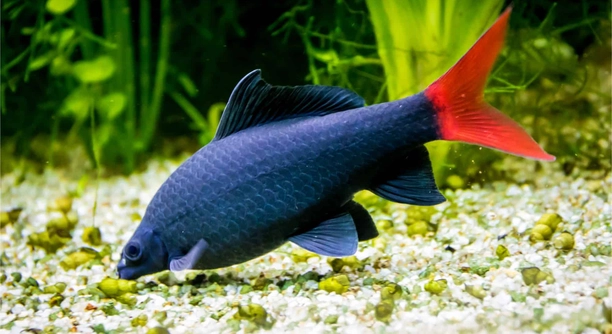
Is your rainbow shark showing signs of aggression, disrupting the calm in your aquarium? This common issue can make caring for these colorful fish more challenging. Understanding how to manage their behavior is key to a peaceful tank environment.
Aggression in rainbow sharks often results from territorial disputes, overcrowding, or lack of hiding spaces. Addressing these factors through tank adjustments, proper stocking, and environmental enrichment can significantly reduce aggressive behavior and promote harmony among tank mates.
Recognizing the causes of aggression can help improve your aquarium’s balance and ensure a healthier home for your rainbow shark.
Provide Enough Space for Each Fish
Rainbow sharks need enough room to swim and claim their own territory. When tanks are too small, aggression increases because the fish feel crowded and stressed. A tank of at least 55 gallons is usually recommended for one rainbow shark. This size allows them to swim freely and establish personal areas without constant conflict. Overcrowding can lead to chasing, fin nipping, and general hostility, which harms both the shark and its tank mates.
Avoid adding too many other fish species that compete for space. Provide hiding spots like caves or plants to help rainbow sharks feel secure. These spaces reduce stress and create natural boundaries, lowering aggression levels. Regular tank maintenance and water quality checks also keep your fish healthy and less prone to aggressive behavior.
Adequate space is a simple but effective way to calm your rainbow shark. It helps them feel comfortable, which is essential for peaceful coexistence.
Providing enough swimming room and hiding places helps reduce your rainbow shark’s stress and territorial behavior. These adjustments create a calmer tank environment.
A spacious aquarium gives your rainbow shark the freedom it needs to explore and avoid conflicts. Adding structures like rocks and plants breaks up open space and creates safe zones. These zones help diffuse aggressive tendencies by allowing fish to retreat when needed. Keep in mind that tank mates should also have enough space to avoid competition. Regularly monitor fish behavior to catch early signs of stress or fighting. Sometimes, rearranging decorations can reset territories and ease tensions. Prioritizing space and structure leads to a healthier, more balanced aquarium.
Manage Tank Mates Carefully
Choosing compatible tank mates is important to reduce your rainbow shark’s aggression. Avoid keeping them with other bottom dwellers that share similar space.
Tank mates that are fast swimmers and occupy different water levels can coexist more peacefully with rainbow sharks. Species like danios or tetras are usually good companions because they avoid direct competition for territory.
Some fish trigger territorial behavior in rainbow sharks by invading their space or challenging dominance. Introducing too many fish at once also increases stress and aggression. Carefully select species that are calm and tolerant to ensure a balanced aquarium.
Selecting appropriate tank mates helps maintain peace and reduces conflicts.
A well-planned community tank keeps rainbow sharks less aggressive and happier.
When managing tank mates, consider size, temperament, and swimming habits. Avoid fish that nip fins or are overly aggressive themselves. Smaller, peaceful schooling fish often provide a good balance. Introducing new fish gradually allows your rainbow shark to adjust and establish boundaries without immediate confrontation. Observing interactions daily helps identify potential issues early. Sometimes, separating aggressive individuals or providing extra hiding spots can ease tensions. Consistent care and thoughtful stocking choices ensure a harmonious environment where all fish can thrive.
Maintain Proper Water Quality
Clean water reduces stress and aggressive behavior in rainbow sharks. Poor water conditions can make them irritable and more prone to attacks.
Regular water changes and filtration are essential to keep the tank environment stable. Test water parameters often to ensure ammonia, nitrite, and nitrate levels remain safe. Consistent maintenance helps prevent sudden changes that cause discomfort or illness. Healthy fish are generally calmer and less aggressive, so keeping the water clean supports their overall wellbeing.
Besides regular water changes, avoid overcrowding and overfeeding to maintain water quality. Overfeeding leads to excess waste, increasing toxin levels in the tank. Use a reliable filter suited for your tank size, and clean it according to the manufacturer’s instructions. Monitoring temperature and pH levels also keeps the environment stable. Stable water conditions reduce stress, making your rainbow shark less likely to show aggression. Healthy fish mean a more peaceful aquarium.
Feed a Balanced Diet
Rainbow sharks need a diet rich in nutrients to stay healthy and calm. Poor nutrition can increase irritability and aggressive behavior.
Feed them a mix of high-quality pellets, flakes, and occasional live or frozen foods like bloodworms or brine shrimp. Variety provides essential vitamins and minerals, supporting immune function and reducing stress. Avoid overfeeding, as excess food leads to poor water quality and health problems.
Offering food in small portions multiple times a day helps maintain stable energy levels and reduces competition at feeding time. Feeding at regular intervals also builds routine and decreases food-related aggression. Pay attention to any signs of hunger or dominance during feeding to adjust portions or tank dynamics accordingly.
Provide Hiding Spots
Hiding places help rainbow sharks feel safe and less threatened. Caves, plants, and decorations create boundaries that reduce fights.
Without enough cover, fish become stressed and more aggressive. Simple additions can make a big difference in behavior.
Keep a Consistent Light Cycle
Maintaining a regular light schedule supports your rainbow shark’s natural rhythm. Consistent lighting reduces stress, which helps control aggression. Sudden changes in light can startle fish and provoke erratic behavior. Using a timer ensures a stable day-night cycle that benefits all tank inhabitants.
Avoid Overcrowding
Too many fish in one tank increase competition and aggression. Overcrowding leads to territorial disputes and stress. Providing adequate space per fish is crucial to keep peace and allow natural behavior.
FAQ
Why is my rainbow shark so aggressive?
Aggression in rainbow sharks often comes from territorial instincts. They claim areas in the tank and defend them against other fish, especially if the tank is too small or crowded. Stress from poor water quality, lack of hiding places, or incompatible tank mates can also increase aggressive behavior. Understanding their natural habits helps manage and reduce aggression.
How can I tell if my rainbow shark is stressed?
Signs of stress include constant hiding, rapid breathing, loss of appetite, and aggressive chasing of tank mates. You might also notice faded colors or torn fins. Stress is usually caused by poor water conditions, overcrowding, or sudden changes in the environment. Regular tank maintenance and monitoring behavior can help catch stress early.
What size tank is best for a rainbow shark?
A minimum of 55 gallons is recommended for one rainbow shark. This space lets them swim freely and establish territories without constant conflict. Larger tanks allow better separation between fish and reduce aggression. Avoid small tanks, as they increase stress and territorial fights.
Can rainbow sharks live with other fish?
Yes, but tank mates must be chosen carefully. Avoid other bottom dwellers or aggressive species that compete for space. Fast-swimming, peaceful fish that occupy different water levels, like tetras or danios, usually get along well. Introduce new fish slowly to allow adjustment.
How often should I feed my rainbow shark?
Feed small portions two to three times a day. Multiple feedings help keep energy stable and reduce food-related aggression. Overfeeding leads to poor water quality and health problems. Provide a varied diet with quality pellets and occasional live or frozen foods for balanced nutrition.
What kind of hiding spots work best?
Caves, dense plants, and decorations that create sheltered areas help reduce aggression. These hiding spots give rainbow sharks places to retreat and feel secure. Providing several hiding options prevents territorial disputes and lowers stress.
How important is water quality?
Water quality is critical. Poor water conditions cause stress, leading to aggressive behavior and health issues. Regular water changes, testing ammonia, nitrite, nitrate, and keeping stable temperature and pH levels are essential. A good filtration system supports a clean and safe environment.
Does lighting affect aggression?
Yes. Sudden changes or inconsistent light schedules can stress fish and cause erratic behavior. A consistent day-night cycle, controlled by a timer, helps maintain natural rhythms and reduces aggression in rainbow sharks.
What should I do if aggression continues?
If aggression persists despite adjustments, consider rearranging the tank layout to reset territories. Adding more hiding places or separating the most aggressive fish temporarily may help. In some cases, upgrading to a larger tank or rehoming certain fish becomes necessary to maintain peace.
Can stress cause health problems in rainbow sharks?
Absolutely. Chronic stress weakens the immune system, making fish more vulnerable to diseases like fin rot or infections. Managing tank conditions and behavior helps keep your rainbow shark healthy and reduces aggression linked to stress.
Final Thoughts
Managing aggression in rainbow sharks requires understanding their natural behavior and needs. These fish are territorial by nature, and their aggression often comes from feeling crowded or threatened. Providing a spacious tank with plenty of hiding spots is one of the most effective ways to reduce tension. When they have room to swim and places to retreat, rainbow sharks tend to be calmer and less likely to act aggressively toward tank mates.
Maintaining proper water quality and a balanced diet also plays a key role in keeping your rainbow shark healthy and peaceful. Poor water conditions can cause stress, which increases aggressive tendencies. Regular cleaning, water testing, and a good filtration system help create a stable environment. Feeding your fish a variety of nutritious foods in small amounts throughout the day supports their health and reduces competition during feeding times, which can otherwise trigger aggressive behavior.
Choosing compatible tank mates carefully and keeping a consistent light schedule further helps create a harmonious aquarium. Avoid overcrowding and species that share the same bottom-dwelling space to limit fights over territory. Using a timer for the aquarium light maintains a stable day and night cycle, lowering stress. Taking these steps together provides the best chance for a peaceful tank where your rainbow shark and other fish can thrive. Consistency and attention to detail are important for long-term success.

Hello,
If you enjoy the content that we create, please consider saying a "Thank You!" by leaving a tip.
Every little bit helps us continue crafting quality advice that supports the health, happiness, and well-being of pets around the world, for pets of all shapes, sizes, and species.
We really appreciate the kindness and support that you show us!