
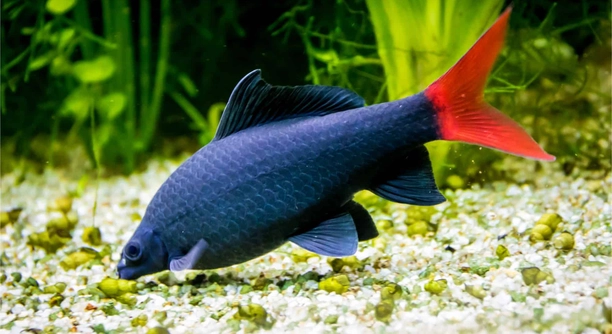
Rainbow sharks are popular aquarium fish known for their vibrant colors and active nature. They require proper care to thrive, but stress can easily affect their health and behavior. Recognizing stress early is important for their well-being.
Stress in rainbow sharks is often indicated by changes in behavior such as hiding, loss of appetite, erratic swimming, faded coloration, or aggression. These signs reflect environmental stressors, poor water quality, or improper tank conditions that negatively impact the fish’s health.
Knowing how to identify stress signs can help you maintain a healthier environment for your rainbow shark. This article covers key indicators to watch for and how they affect your fish’s daily life.
Changes in Behavior
Rainbow sharks usually swim actively and explore their tanks freely. When they start hiding more than usual or stay still at the bottom, it can be a clear sign of stress. You might notice them darting suddenly or swimming erratically, which shows discomfort. Loss of appetite is also common; a stressed rainbow shark may refuse food or eat less than normal. Fading colors can be subtle but important—when their bright red fins and shiny bodies become dull, it means something is wrong. Aggression towards other fish or frequent chasing also indicates stress. These behaviors often occur due to poor water conditions, overcrowding, or sudden changes in the environment. Keeping an eye on these signals helps you act quickly before the stress worsens and affects their health.
Recognizing behavior changes is essential to protect your rainbow shark’s health and comfort in the tank.
Stress may cause your fish to hide more, swim strangely, or lose interest in food, all signs to watch closely.
Maintaining stable water parameters and providing enough space reduces stress and encourages natural behavior. Ensure the tank has hiding spots, but also enough open swimming areas. Regularly check water temperature, pH, and cleanliness. Avoid sudden changes, like moving the tank or introducing many new fish at once. Feeding a balanced diet supports their immune system. When rainbow sharks feel secure, their colors stay vibrant, and they interact well with tank mates. Proper care not only reduces stress but promotes a longer, healthier life for your fish.
Water Quality Impact
Poor water quality quickly affects rainbow sharks, causing stress that can lead to disease and death.
Maintaining clean water is critical for preventing stress and ensuring your fish stay healthy and active.
Water pollutants like ammonia and nitrites are harmful even in small amounts. These toxins come from fish waste, uneaten food, and decaying plants. If not removed by filtration and regular water changes, they accumulate and cause irritation to your fish’s gills and skin. Low oxygen levels from overcrowding or poor aeration also stress rainbow sharks, making them lethargic. Monitoring water temperature is crucial since extreme heat or cold can disrupt their metabolism. Keeping pH stable within the recommended range prevents chemical imbalances that affect fish health. Testing water weekly helps catch problems early. When water quality suffers, stress weakens the immune system, making fish vulnerable to infections. Prioritize tank maintenance with proper filtration, routine cleaning, and scheduled partial water changes. This commitment ensures your rainbow shark thrives in a safe and stable home.
Tank Size and Space
A tank that is too small can quickly stress a rainbow shark. These fish need enough room to swim freely and establish territory.
Crowded tanks increase aggression and cause constant competition for space. Limited swimming area makes the fish restless and anxious. Overcrowding also worsens water quality due to more waste, which adds to the stress. Ideally, a minimum of 30 gallons is recommended for one rainbow shark. Adding more fish requires a larger tank to keep peace and reduce stress. Proper tank size helps your fish display natural behavior, swim comfortably, and maintain good health.
Ensuring ample space in the tank creates a stable environment where your rainbow shark can thrive without feeling confined or threatened.
Sudden Changes in Environment
Sudden shifts in lighting, temperature, or tank setup can unsettle your rainbow shark. These fish adapt best to steady, consistent conditions.
Rapid changes confuse and stress fish because their bodies need time to adjust. Moving decorations or rearranging the tank disrupts established territories and causes anxiety. Sudden temperature fluctuations can shock their system, weakening their immune response. Consistent lighting schedules support normal behavior and reduce stress levels. Introducing new fish without proper acclimation also creates tension and competition. Maintaining a calm, stable environment helps rainbow sharks feel secure and behave naturally. Gradual changes are less disruptive and support the overall health of your aquarium. Taking care with these details ensures a peaceful tank where your rainbow shark can live comfortably.
Poor Diet and Nutrition
A lack of proper nutrition causes stress in rainbow sharks. Feeding low-quality or inappropriate food weakens their health.
Balanced diets with varied food types support their immune system and energy levels. Avoid overfeeding to prevent water contamination and related stress.
Presence of Aggressive Tank Mates
Aggressive or territorial fish can cause continuous stress to rainbow sharks. Constant harassment leads to injury and weakened immunity.
Choose peaceful tank mates that coexist well with rainbow sharks. Monitor interactions regularly and separate aggressive fish to maintain a calm environment.
Signs of Illness
Illness can cause visible stress in rainbow sharks, including white spots, frayed fins, or labored breathing.
Spotting these signs early helps prevent serious health decline and stress progression.
Lack of Hiding Spots
Rainbow sharks need places to hide and rest. Without enough cover, they become exposed and stressed.
Adding plants, caves, or decorations provides necessary shelter, promoting comfort and reducing anxiety.
FAQ
How can I tell if my rainbow shark is stressed?
Stress in rainbow sharks often shows through changes in behavior like hiding more than usual, erratic swimming, or aggression. You might notice faded colors or a loss of appetite. These signs usually mean your fish is uncomfortable with its environment or health. Observing your fish regularly helps catch stress early.
What causes stress in rainbow sharks?
Common causes include poor water quality, overcrowding, sudden changes in the tank, inappropriate diet, and aggressive tank mates. Each of these factors disrupts the fish’s normal routine and environment, making it harder for them to stay healthy.
How often should I test the water in my tank?
Testing water weekly is recommended. Regular checks for ammonia, nitrites, nitrates, pH, and temperature help maintain a safe environment. Early detection of problems prevents stress and disease.
What is the ideal tank size for a rainbow shark?
A minimum of 30 gallons is best for one rainbow shark. Larger tanks are necessary if you plan to keep multiple fish or add other species. Adequate space reduces stress and aggression.
Can sudden changes in the tank harm my fish?
Yes. Sudden changes like shifting decorations, temperature swings, or lighting adjustments can stress rainbow sharks. Gradual changes give them time to adjust and reduce anxiety.
What foods are best for rainbow sharks?
High-quality pellets or flakes designed for bottom feeders are ideal. Supplementing with live or frozen foods like bloodworms or brine shrimp provides variety and nutrition, supporting health and energy.
How can I reduce aggression in the tank?
Choose peaceful tank mates and avoid overcrowding. Providing plenty of hiding spots reduces territorial disputes. Monitor fish behavior and separate aggressive individuals if needed.
What are common signs of illness in rainbow sharks?
Look for white spots, clamped fins, frayed edges, rapid breathing, or unusual swimming patterns. Illness often causes stress, so early treatment is essential.
Is it okay to keep rainbow sharks with other fish?
Yes, if tank mates are peaceful and the tank is large enough. Avoid keeping them with aggressive or very small fish to prevent stress and injury.
How important are hiding spots?
Very important. Hiding spots help rainbow sharks feel safe and reduce stress. Include caves, plants, or decorations to provide shelter and comfort.
What should I do if my rainbow shark stops eating?
Check water quality first, as stress or illness often causes loss of appetite. Review diet and tank conditions. If the problem continues, consult a veterinarian or fish specialist.
Can poor water quality cause disease?
Absolutely. Polluted water weakens the immune system, making fish more vulnerable to infections. Regular water changes and filtration keep the tank safe.
How often should I clean the tank?
Partial water changes of about 20-25% weekly or biweekly are best. Avoid cleaning everything at once to preserve beneficial bacteria and reduce stress.
Does lighting affect stress levels?
Yes, consistent lighting helps maintain natural rhythms. Sudden changes or too much light can cause stress. Aim for 8-10 hours of light daily with gradual transitions.
What temperature range is best for rainbow sharks?
Keep water between 74°F and 80°F (23°C to 27°C). Temperatures outside this range can cause stress and health problems.
Can stress affect my fish’s lifespan?
Yes. Chronic stress weakens the immune system and increases the risk of disease, shortening your rainbow shark’s life.
Are rainbow sharks nocturnal?
No, they are primarily active during the day but appreciate resting spots. Providing a natural light-dark cycle supports their behavior.
How do I acclimate a new rainbow shark to my tank?
Float the bag in the tank for 15-20 minutes to equalize temperature. Slowly add tank water to the bag over 30 minutes before releasing the fish to reduce shock.
What is the best way to reduce stress during tank maintenance?
Perform water changes gently, avoid sudden temperature shifts, and keep the environment stable. Minimize loud noises or vibrations near the tank.
Can overcrowding cause stress?
Yes, overcrowding leads to competition for food and territory, poor water quality, and constant aggression, all of which stress rainbow sharks.
Is it necessary to quarantine new fish?
Quarantining new fish for at least two weeks helps prevent introducing diseases that could stress or harm existing fish.
What signs show my rainbow shark is comfortable?
Active swimming, bright colors, regular eating, and peaceful interactions with tank mates indicate a comfortable fish.
Can stress be reversed?
If caught early and the environment improves, stress can be reduced. Proper care, clean water, good diet, and a peaceful tank help your fish recover.
What should I avoid to prevent stress?
Avoid overcrowding, poor water conditions, sudden changes, aggressive tank mates, and improper feeding. Consistent care is key.
How can I create a stress-free environment?
Maintain stable water quality, provide sufficient space, include hiding places, and choose compatible tank mates. Keep a regular feeding and cleaning schedule.
Do rainbow sharks need companions?
They can be kept alone or with others if the tank is large and peaceful. Too many fish may cause stress.
Can stress cause diseases like ich?
Yes, stress lowers immunity, making fish more susceptible to parasites like ich and bacterial infections.
How important is water filtration?
Very important. Good filtration removes waste and toxins, helping maintain healthy water conditions that prevent stress.
Are there supplements to reduce stress?
Some aquarium products claim to reduce stress by improving water quality or adding calming agents, but consistent care is more effective.
What is the role of regular observation?
Watching your fish daily helps detect early signs of stress or illness, allowing quick action to prevent problems.
Can noise outside the tank cause stress?
Loud or sudden noises can startle fish and cause stress. Keeping the tank in a quiet area reduces this risk.
What should I do if I notice aggression?
Separate aggressive fish, rearrange decorations to break territories, or reduce the number of fish to lower stress and conflict.
Is it okay to change tank decorations often?
Frequent rearranging can stress fish. Make changes slowly and give your rainbow shark time to adapt.
How do water changes help reduce stress?
They remove toxins and waste that build up, improving water quality and reducing conditions that stress fish.
What is the best feeding schedule?
Feed small amounts 1-2 times daily. Avoid overfeeding, which can pollute the water and stress your fish.
Can temperature drops at night stress fish?
Small, natural temperature drops are fine, but sudden or large changes can cause stress and health issues.
How can I tell if water parameters are off?
Unhealthy fish behavior, cloudy water, or algae blooms may indicate problems. Regular testing is necessary to confirm.
What is the best way to treat stressed fish?
Improve water quality, maintain stable conditions, ensure proper diet, and remove stress sources like aggressive tank mates.
Can plants help reduce stress?
Yes, live plants provide shelter, improve water quality, and create a more natural environment, all of which reduce stress.
Is it necessary to use a heater?
Yes, to maintain a stable temperature in tropical tanks, a heater is essential for rainbow sharks.
Can lighting timers help?
Timers create consistent day-night cycles, supporting normal fish behavior and reducing stress caused by irregular lighting.
How does stress affect fish color?
Stress often causes dull or faded colors as fish conserve energy and lose vitality.
Can I prevent stress by avoiding overcrowding?
Yes, keeping the right number of fish per tank size helps maintain balance and reduces competition and aggression.
How important is tank cycling before adding fish?
Cycling establishes beneficial bacteria to process waste, preventing toxic buildup that stresses fish.
Can stress cause fish to jump out of the tank?
Yes, stressed fish may attempt to escape uncomfortable conditions, increasing the risk of injury or death.
How do I safely acclimate new fish to reduce stress?
Slowly introduce tank water to the transport bag over 30 minutes, then gently release fish into the tank.
Are stress signs the same in all fish?
Many stress signs are similar, like hiding or loss of appetite, but specific behaviors may vary by species.
Final Thoughts
Taking care of a rainbow shark involves paying close attention to its environment and behavior. Stress can affect these fish in many ways, from their appearance to how they act. It is important to keep their tank clean, provide enough space, and maintain stable water conditions. Regular monitoring of water quality and temperature helps prevent common problems that cause stress. A well-kept tank creates a safe and comfortable home for your rainbow shark, allowing it to live a healthy life.
Feeding your rainbow shark a balanced diet is equally important. Using good quality food that meets their nutritional needs supports their immune system and energy. Avoid overfeeding, as leftover food can pollute the tank and add to stress. Adding variety with occasional live or frozen foods can make meals more interesting for your fish. Keeping the feeding routine consistent helps reduce anxiety and promotes normal behavior.
Lastly, the choice of tank mates and decorations plays a big role in reducing stress. Aggressive or overly active fish can cause tension, so selecting peaceful companions is crucial. Providing hiding spots and places to explore helps rainbow sharks feel secure. Sudden changes to the tank should be avoided or done slowly to allow fish time to adjust. With careful attention to these details, you can help your rainbow shark thrive in its home. This thoughtful care makes a difference in the long-term health and happiness of your fish.

Hello,
If you enjoy the content that we create, please consider saying a "Thank You!" by leaving a tip.
Every little bit helps us continue crafting quality advice that supports the health, happiness, and well-being of pets around the world, for pets of all shapes, sizes, and species.
We really appreciate the kindness and support that you show us!