
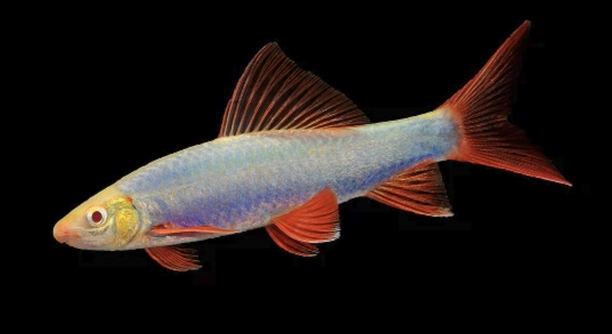
Keeping a Rainbow Shark happy requires understanding its basic needs in a home aquarium. Many people enjoy these lively fish for their striking appearance and active nature. Proper care ensures they remain healthy and vibrant in any tank.
The key to maintaining a happy Rainbow Shark lies in providing a suitable environment with ample space, clean water, balanced diet, and compatible tank mates. Consistent monitoring of water conditions and tank setup directly influences their wellbeing and behavior.
These simple care steps will help maintain your Rainbow Shark’s health and create a peaceful aquatic environment. Following the guidance will support long-term happiness for your fish.
Providing Adequate Space and Environment
Rainbow Sharks need enough space to swim freely and establish their territory. A tank size of at least 30 gallons is recommended to accommodate their active nature. Overcrowding can cause stress and aggression among tank mates, which affects their overall health. The tank should include hiding spots like caves or plants where they can retreat when feeling threatened. Decorations must be smooth to avoid injury since Rainbow Sharks like to explore the bottom. The substrate should be soft, such as sand, to protect their delicate barbels. Maintaining a stable temperature between 72-79°F and a pH level of 6.5 to 7.5 supports their comfort. Regular water changes are essential to keep the environment clean and free from harmful toxins. A well-maintained tank with proper space and environment encourages natural behavior and keeps your Rainbow Shark lively and stress-free.
Regularly check your tank size and layout to ensure your Rainbow Shark has enough room to thrive.
Creating the right environment means balancing space with features that support the fish’s needs. Open swimming areas help prevent territorial disputes, while hiding spots reduce stress. The substrate choice is important since Rainbow Sharks sift through the bottom for food. Proper water parameters should be maintained using test kits and regular partial water changes to avoid toxic buildup. Adding live plants can improve water quality but ensure they are compatible with your fish. Avoid sharp or rough decorations that might harm their barbels. This combination of adequate space, proper substrate, and a clean, stable environment supports your Rainbow Shark’s health and activity levels.
Feeding a Balanced Diet
Feeding your Rainbow Shark a varied diet helps meet their nutritional needs. They are omnivores, so they require both plant-based and protein-rich foods.
A balanced diet includes high-quality sinking pellets, flakes, and occasional live or frozen foods like bloodworms or brine shrimp. Supplementing with vegetables such as zucchini or spinach offers necessary fiber and vitamins. Feeding small amounts twice daily prevents overfeeding and keeps the tank cleaner. Uneaten food should be removed to avoid water pollution. A well-rounded diet improves coloration, energy levels, and immune system function. Observing your Rainbow Shark’s eating habits helps adjust portions and food types accordingly. Consistency in feeding routine supports a healthy and happy fish.
Proper nutrition plays a critical role in preventing diseases and promoting long-term vitality in your Rainbow Shark.
Monitoring Water Quality
Water quality is vital for your Rainbow Shark’s health. Keep ammonia, nitrite, and nitrate levels low through regular testing. Use a reliable test kit weekly to track these parameters.
Maintaining stable water parameters prevents stress and disease. Ammonia and nitrites should always be at zero, while nitrates should remain below 20 ppm. Frequent partial water changes—about 20-25% weekly—help reduce toxins and refresh minerals. Avoid overfeeding as leftover food can increase waste, degrading water quality quickly. Proper filtration is also crucial; a filter rated for your tank size ensures efficient removal of waste and supports beneficial bacteria growth. These steps create a clean, balanced environment that promotes your Rainbow Shark’s wellbeing.
Keeping the tank clean and stable requires consistent effort. Besides regular water changes and testing, cleaning filter media without destroying helpful bacteria is essential. Avoid harsh chemicals and use dechlorinated water for changes. Observing your fish’s behavior can indicate water quality issues, such as lethargy or gasping. Acting early when water tests show abnormalities helps prevent serious health problems, ensuring your Rainbow Shark remains active and happy.
Choosing Compatible Tank Mates
Rainbow Sharks can be territorial, especially in smaller tanks. Select tank mates that are peaceful but robust enough to coexist.
Ideal companions include larger, non-aggressive fish like Corydoras catfish, loaches, and certain tetras. Avoid small, slow-moving, or long-finned fish, which may become targets of aggression. Keeping only one Rainbow Shark per tank reduces fighting, as they often view others as rivals. Proper tank size and plenty of hiding places also help reduce territorial disputes. Monitoring interactions closely allows quick intervention if conflicts arise, maintaining harmony in the aquarium.
Compatibility goes beyond behavior; it involves matching environmental needs too. Tank mates should thrive in similar water conditions and temperatures. Avoid species that require drastically different pH or temperature levels to reduce stress on all inhabitants. A well-planned community tank balances activity levels, size, and temperament, making it easier to maintain peace. Introducing new fish gradually gives your Rainbow Shark time to adjust, reducing territorial aggression. Proper planning supports a healthier, calmer aquarium where all fish can flourish.
Regular Tank Maintenance
Regular maintenance keeps the tank environment stable and healthy. Cleaning the substrate, removing algae, and checking equipment function are key tasks.
Frequent partial water changes remove waste and toxins that accumulate. Monitoring filter performance ensures efficient operation. Proper maintenance reduces stress for your Rainbow Shark and prevents common health problems.
Managing Stress and Aggression
Stress and aggression can harm your Rainbow Shark’s health. Providing hiding spots and enough space reduces tension. Avoid sudden changes in the environment, such as abrupt lighting or water parameter shifts. Keeping consistent routines supports a calm atmosphere.
Observing Behavior Changes
Watching your Rainbow Shark closely helps identify health or environmental issues early. Changes in activity, appetite, or color may indicate problems. Early detection allows for timely intervention.
Encouraging Natural Behavior
Stimulate your Rainbow Shark by adding plants and decorations that mimic its natural habitat. This encourages exploration and reduces boredom, promoting overall wellbeing.
FAQ
How often should I feed my Rainbow Shark?
Feeding your Rainbow Shark twice a day in small amounts works best. Overfeeding can pollute the tank and cause health problems. Remove uneaten food after 5 minutes to keep the water clean. A balanced diet with pellets, flakes, and occasional live or frozen food supports their nutrition.
Can Rainbow Sharks live with other fish?
Yes, but choose tank mates carefully. Rainbow Sharks are territorial and may act aggressively toward similar or smaller fish. Ideal companions include peaceful, fast-swimming species like Corydoras catfish or larger tetras. Avoid overcrowding to reduce stress and fighting.
What tank size is suitable for a Rainbow Shark?
A minimum of 30 gallons is recommended. These fish are active swimmers and need space to establish territory. Larger tanks help reduce aggression and provide better water quality. More space also allows for proper hiding spots and swimming areas.
What water conditions do Rainbow Sharks prefer?
They thrive in temperatures between 72°F and 79°F with a pH of 6.5 to 7.5. Stability is crucial; sudden changes can stress the fish. Regular testing and partial water changes help maintain these parameters.
Why is my Rainbow Shark hiding all the time?
Hiding can mean the fish feels stressed or threatened. Check water quality, tank mates, and the tank environment. Make sure there are enough hiding places and that the tank isn’t overcrowded. Sometimes, hiding is normal if the fish is resting or adjusting.
How do I prevent aggression in my Rainbow Shark?
Provide plenty of space and hiding spots. Keep only one Rainbow Shark per tank. Choose peaceful tank mates and avoid overcrowding. Maintain a consistent routine and stable water conditions to reduce stress-related aggression.
What signs indicate a sick Rainbow Shark?
Look for changes in appetite, lethargy, faded color, or abnormal swimming. White spots, torn fins, or swelling are signs of illness. Early detection and water quality checks help treat problems before they worsen.
How important is tank decoration for Rainbow Sharks?
Decorations create hiding spots and simulate a natural environment, which reduces stress and encourages natural behavior. Use smooth rocks, caves, and plants, avoiding sharp objects that might injure the fish’s barbels.
Can Rainbow Sharks live in community tanks?
They can, if conditions are right. Choose compatible tank mates and ensure the tank is large enough to reduce territorial disputes. Monitor interactions closely to keep peace.
How often should I test my aquarium water?
Weekly testing is recommended to monitor ammonia, nitrite, nitrate, pH, and temperature. This helps catch any water quality issues early and ensures a healthy environment for your Rainbow Shark.
Final Thoughts
Taking care of a Rainbow Shark requires consistent attention to its environment, diet, and behavior. These fish thrive best in tanks that offer enough space to swim and hide, with clean water and stable conditions. Maintaining a tank size of at least 30 gallons helps reduce stress and aggression by giving them room to establish their territory. Regular water changes and monitoring of water quality are essential to keep harmful substances like ammonia and nitrites at safe levels. This kind of steady care supports the overall health of your Rainbow Shark and helps it stay active and vibrant.
Feeding is another important factor in keeping your Rainbow Shark happy. A balanced diet made up of sinking pellets, flakes, and occasional live or frozen foods meets their nutritional needs. Avoid overfeeding to prevent leftover food from polluting the tank, which can lead to water quality issues. Providing a mix of plant-based and protein-rich foods promotes good coloration and energy levels. Watching your fish’s eating habits can also help you adjust feeding amounts and types, making sure they get the right nutrition without wasting food or harming the tank environment.
Lastly, paying attention to your Rainbow Shark’s behavior and tank mates can improve its wellbeing. These fish can be territorial, so selecting peaceful companions and offering plenty of hiding spots reduces conflict. Observing your fish regularly helps you spot signs of stress or illness early, such as changes in appetite or activity. Keeping a calm and consistent environment with stable water parameters and proper maintenance creates the best conditions for your Rainbow Shark to thrive. Simple but steady care will ensure your fish remains healthy and adds beauty to your aquarium.

Hello,
If you enjoy the content that we create, please consider saying a "Thank You!" by leaving a tip.
Every little bit helps us continue crafting quality advice that supports the health, happiness, and well-being of pets around the world, for pets of all shapes, sizes, and species.
We really appreciate the kindness and support that you show us!