
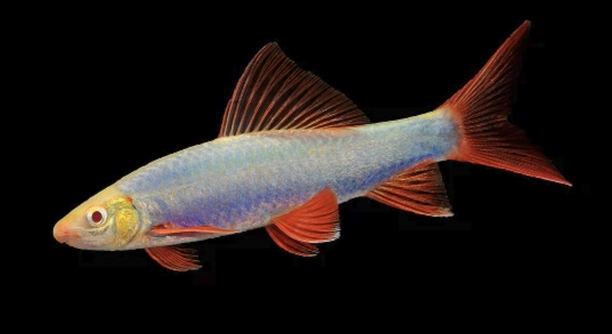
Are you struggling to keep your rainbow shark tank clean despite regular efforts and water changes? A clean tank is essential for their health and overall behavior.
The most effective way to keep a rainbow shark tank clean is by combining routine maintenance, proper filtration, and balanced feeding. Consistent care prevents waste buildup, algae growth, and harmful spikes in water parameters, creating a stable aquatic environment.
Maintaining a clean tank helps your rainbow shark thrive while reducing stress and illness risks linked to poor water conditions.
Use a Reliable Filter System
A good filter is the foundation of a clean rainbow shark tank. It keeps the water clear by removing waste, excess food, and harmful chemicals. Choose a filter rated for your tank’s size and fish load. A three-stage filter with mechanical, biological, and chemical filtration works best. Mechanical filtration traps debris like leftover food or plant matter. Biological filtration supports beneficial bacteria that help break down toxic ammonia and nitrite. Chemical filtration uses activated carbon or other media to remove odors and discoloration. Clean or replace your filter media as recommended, usually every few weeks. Avoid over-cleaning, though—especially the biological part—as it can wipe out good bacteria.
A clean, well-functioning filter also improves oxygen levels and keeps water movement steady. This is important for rainbow sharks, who prefer flowing water.
Without proper filtration, waste builds up quickly. You may notice cloudy water, strange odors, or your fish acting stressed. Keep the filter running 24/7 and check for clogs weekly. Also, rinse the intake and outflow areas to keep circulation strong. If your tank is heavily stocked or you feed often, consider using a filter slightly stronger than the tank’s minimum requirement. This helps keep the water cleaner for longer and gives your fish a more stable environment.
Perform Regular Water Changes
Partial water changes remove waste, uneaten food, and toxins that filters can’t always catch.
Change 20–30% of the tank water every week. Use a gravel vacuum to remove debris from the substrate while siphoning. Refill with dechlorinated, temperature-matched water. Skipping this step can lead to unhealthy spikes in ammonia and nitrite.
Consistent water changes also replenish essential minerals that fish and plants need. If you use tap water, always treat it with a water conditioner to neutralize chlorine and chloramine. Watch your rainbow shark’s behavior after each change. If they hide or dart suddenly, the temperature might be off or the change was too abrupt. Avoid changing more than 40% at once unless it’s an emergency. Keeping a schedule helps your fish adjust better and ensures your tank remains stable. Over time, water changes will make your tank easier to maintain and help your rainbow shark thrive.
Avoid Overfeeding
Feeding too much leads to excess waste, which makes the tank dirtier faster. Uneaten food sinks, breaks down, and releases harmful substances into the water. This stresses your rainbow shark and disrupts water quality.
Feed your rainbow shark once or twice daily using only what they can eat in two minutes. Remove leftovers with a net or siphon right after feeding. Overfeeding is a common issue in tanks and leads to cloudy water, algae growth, and poor water parameters. Choose high-quality pellets or flakes formulated for bottom-dwelling fish, and occasionally include blanched vegetables or frozen treats for variety. Keep a feeding schedule and monitor your fish’s appetite. If they start ignoring food or leave it behind often, reduce the portion slightly. This helps keep the water clean and your rainbow shark healthy.
Monitor your tank’s nitrate levels, as they can rise quickly from excess food. High nitrate levels encourage algae and affect fish behavior. Stick to smaller feedings and clean the substrate weekly. Leftover food hidden in the gravel continues to rot and contributes to unwanted buildup. It’s tempting to give them extra snacks, but your fish will stay healthier with a controlled diet. Always prioritize water quality over variety when planning their meals.
Clean the Substrate Properly
The gravel or sand at the bottom of your tank collects leftover food, fish waste, and plant debris. Without regular cleaning, this buildup affects your water quality and encourages harmful bacteria.
Use a gravel vacuum during your weekly water change. Push the vacuum into the substrate to remove waste while siphoning water out. If you use sand instead of gravel, gently hover the vacuum above the surface to avoid sucking up too much material. Clean the entire substrate in sections over time—doing too much at once can disturb the tank’s balance. Keeping the substrate clean not only looks better but also helps prevent spikes in ammonia and nitrate. If your rainbow shark likes to dig or rest at the bottom, this extra effort also supports their health and comfort.
Check for dead spots where waste tends to settle, usually around decorations or behind plants. These areas may need extra attention. Use your hands or a soft brush to gently shift the substrate and release trapped debris before vacuuming. Avoid disturbing areas where beneficial bacteria live, especially near rooted plants. For heavily stocked tanks or tanks with messy eaters, clean the substrate more often. Clean gravel reduces odor and keeps your water clearer, making the tank safer for your rainbow shark.
Control Algae Growth
Algae can make your tank look dirty and reduce water quality over time. Limit light exposure to 8–10 hours daily and avoid placing the tank in direct sunlight.
Add live plants to compete with algae for nutrients. Scrub the glass weekly and remove visible algae from decorations and rocks.
Maintain Proper Stocking Levels
Keeping too many fish in your tank increases waste and puts pressure on your filtration system. Rainbow sharks can be territorial, so avoid overcrowding. Choose tank mates carefully and stick to recommended stocking guidelines for your tank size. Overstocking often leads to cloudy water and stressed fish. A 55-gallon tank suits one rainbow shark well, especially if shared with peaceful fish that occupy other tank levels. Avoid adding other bottom dwellers or similar-looking fish. Monitor your fish’s behavior regularly—if they seem aggressive or stressed, reassess your stocking levels. A balanced tank is easier to maintain and more comfortable for your fish.
Clean Decorations and Plants
Use a soft brush or sponge to gently clean plastic plants and tank ornaments. Rinse them in tank water, not tap, to protect beneficial bacteria.
How often should I clean my rainbow shark tank?
Cleaning frequency depends on your tank’s size, stocking, and filtration, but generally, a weekly routine works best. Change 20–30% of the water weekly and clean the substrate at the same time. Filter maintenance should be done monthly, but check it more often if your tank is heavily stocked or has poor circulation.
What type of filter is best for a rainbow shark tank?
A canister or hang-on-back filter with mechanical, biological, and chemical filtration is ideal. These filters provide strong water flow, which rainbow sharks prefer, and efficiently remove waste and toxins. Choose a filter rated slightly higher than your tank size to handle bioload and maintain clean water longer.
Can I keep multiple rainbow sharks in one tank?
Rainbow sharks are territorial and prefer to have their own space. Keeping more than one in a small tank often leads to aggression and stress. If you have a large tank over 75 gallons with plenty of hiding spots, it may be possible to keep two, but this is not recommended for most hobbyists.
Why is my rainbow shark’s tank water cloudy?
Cloudy water is usually caused by overfeeding, inadequate filtration, or improper water changes. Uneaten food and fish waste break down and cloud the water. Make sure you feed only what your fish can consume quickly and maintain your filter regularly. Frequent partial water changes help keep water clear.
How can I control algae in my tank?
Limit light to 8–10 hours a day and avoid direct sunlight on the tank. Add live plants, which compete with algae for nutrients. Clean the glass and decorations regularly. If algae persist, test water parameters and reduce nitrates by more frequent water changes.
What should I feed my rainbow shark?
Feed high-quality sinking pellets or wafers designed for bottom feeders. Supplement with blanched vegetables like zucchini or peas and occasional frozen foods such as bloodworms or brine shrimp. Avoid overfeeding to prevent water pollution and health issues.
Is it necessary to clean decorations and plants?
Yes, algae and waste can build up on decorations and plastic plants. Clean them gently with a soft brush or sponge using tank water to avoid killing beneficial bacteria. Live plants generally require less cleaning but may need trimming to remove dead leaves.
How do I test water quality in my tank?
Use an aquarium test kit to check ammonia, nitrite, nitrate, and pH levels weekly. Ammonia and nitrite should always be zero; nitrate should be below 20 ppm for a healthy tank. pH should remain stable, ideally between 6.5 and 7.5. Testing regularly helps catch problems early.
Can I use tap water for water changes?
Tap water can be used if treated with a water conditioner to remove chlorine and chloramine. Make sure the new water is the same temperature as the tank to avoid stressing your fish. Always use a reliable dechlorinator before adding water.
What signs show my rainbow shark is stressed?
Signs include hiding excessively, loss of appetite, erratic swimming, or rubbing against objects. Poor water quality is often the cause. Regular maintenance and monitoring water parameters help prevent stress.
How do I prevent harmful bacteria buildup?
Avoid over-cleaning biological filter media, which houses beneficial bacteria. Maintain proper filtration and perform regular water changes. Do not overcrowd your tank, and clean substrate carefully without disturbing bacterial colonies.
Can I use aquarium salt in my rainbow shark tank?
Aquarium salt can help reduce stress and prevent some infections but should be used sparingly. Always follow dosage instructions and avoid using salt if you have live plants sensitive to it. Consult care guides before adding salt regularly.
What tank size is best for a rainbow shark?
A minimum of 40 gallons is recommended for one rainbow shark. Larger tanks provide more swimming space and reduce territorial behavior. More space also helps maintain better water quality.
How do I introduce new fish to a rainbow shark tank?
Quarantine new fish for two weeks to prevent disease introduction. Add fish slowly and monitor interactions, especially with bottom dwellers. Provide plenty of hiding places to reduce aggression.
Why does my rainbow shark keep hiding?
Hiding can be normal but excessive hiding usually signals stress from poor water quality, improper tank mates, or lack of hiding spots. Improving tank conditions and providing shelters encourages natural behavior.
How important is water temperature?
Rainbow sharks thrive between 74°F and 79°F. Sudden temperature changes cause stress and illness. Use a reliable heater and thermometer to maintain stable conditions.
Keeping a rainbow shark tank clean is essential for the health and happiness of your fish. A clean tank helps prevent diseases and reduces stress, which leads to better behavior and longer life. Regular maintenance, including water changes, filter care, and substrate cleaning, creates a stable environment. Rainbow sharks need clean, well-oxygenated water because they are active swimmers and can be sensitive to poor conditions. By following a simple routine, you make sure your tank remains clear and safe for your fish. This also keeps the tank looking pleasant and enjoyable to watch.
Filtration plays a key role in maintaining water quality. A good filter removes waste and toxins while supporting beneficial bacteria that break down harmful substances. It is important to choose the right filter size and type for your tank. Clean the filter media carefully and regularly, but avoid washing biological media too harshly to protect helpful bacteria. Along with filtration, controlling feeding habits prevents excess food from polluting the water. Feeding the right amount and removing leftovers keeps waste levels low and reduces the need for extra cleaning. Proper feeding also supports your rainbow shark’s nutrition without causing water problems.
Maintaining balance in the tank goes beyond just cleaning. Controlling algae growth by limiting light exposure and adding live plants can improve water quality. Avoid overcrowding your tank to reduce stress and waste. Keep decorations and plants clean, and test water regularly to catch any issues early. When all these parts work together, your rainbow shark’s home stays healthy and stable. This makes caring for your fish easier and more rewarding. Taking these steps ensures your rainbow shark can thrive in a clean, comfortable tank.

Hello,
If you enjoy the content that we create, please consider saying a "Thank You!" by leaving a tip.
Every little bit helps us continue crafting quality advice that supports the health, happiness, and well-being of pets around the world, for pets of all shapes, sizes, and species.
We really appreciate the kindness and support that you show us!