
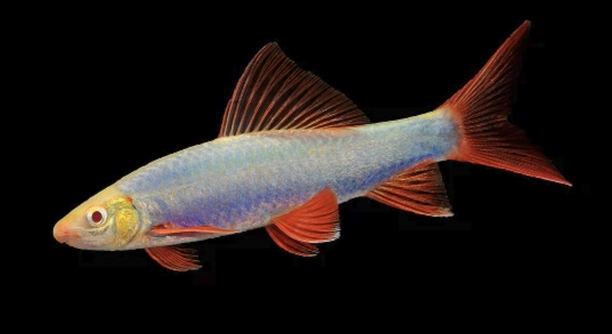
Is your rainbow shark swimming with a torn or frayed tail, leaving you concerned about its health and overall well-being in the tank?
The best way to fix rainbow shark tail damage is by improving water quality, reducing stress, treating infections, and ensuring proper tank mates. These steps promote healing, reduce aggression, and help prevent further injury or fin rot.
Learning how to manage these issues will not only aid recovery but also create a safer, more balanced aquatic environment for your rainbow shark.
Identify the Cause of the Tail Damage
Rainbow sharks can suffer tail damage from a range of issues including aggression, poor water conditions, sharp tank décor, or infections. It’s important to observe the behavior of tank mates and the environment closely. If another fish is nipping, it’s best to separate them. If the tank looks clean but the water is chemically unbalanced, your shark could still be stressed. Testing water parameters such as ammonia, nitrite, nitrate, and pH gives a clearer picture. Stress, whether from aggressive tank mates or dirty water, weakens the immune system and makes tail damage worse. Sharp edges from decorations or hard surfaces can also cause small tears that turn into larger wounds if ignored. If you see fraying, discoloration, or signs of rot, act quickly.
A quick water test and a few minutes of observation each day can help prevent further damage and catch problems early.
Once the source is known, removing or fixing it is the first step. Whether that means relocating an aggressive tank mate, improving water flow, or replacing décor, this makes healing much easier. Without these adjustments, treatments like salt baths or medications may not be enough. Healing starts with fixing the environment before anything else.
Improve Water Quality Immediately
Clean, balanced water is essential for tail recovery. Regular water changes and proper filtration reduce stress and help damaged fins heal faster.
Start with a 25–30% water change, then test the parameters. Ammonia and nitrites should always read zero, while nitrates should stay under 20 ppm. A quality filter that supports both mechanical and biological filtration is key to long-term health. Rinse filter media in tank water to preserve beneficial bacteria, and avoid overfeeding to reduce waste buildup. If the tank is overstocked, reduce the number of fish. Use a gravel vacuum weekly to remove debris that may affect water quality. Adding Indian almond leaves can also promote healing by naturally lowering pH and releasing beneficial tannins. Make changes gradually to avoid shocking the system. Once water quality improves, the immune system becomes stronger, and tissue can begin to regenerate. With stable conditions, you’ll likely see visible improvement in your rainbow shark’s tail within a week or two.
Remove Aggressive or Incompatible Tank Mates
Aggressive fish often nip fins and stress out your rainbow shark, making recovery difficult. Look for signs like chasing, biting, or hiding. If these behaviors happen often, separating the fish is the best way to prevent further tail damage.
Rainbow sharks are territorial and don’t do well with similar-looking or bottom-dwelling fish. Red tail sharks, other rainbow sharks, and large cichlids can trigger aggression. It’s best to house your rainbow shark with calm mid-to-top swimmers like barbs or danios. If aggression continues, move the rainbow shark or the problematic fish to another tank. Use a divider if relocation isn’t possible right away. Rearranging the tank décor can also help reset territorial boundaries. Observing tank dynamics daily helps catch problems early. Removing the source of conflict gives your shark a chance to rest and recover without further stress. Tail injuries heal faster in a peaceful environment.
Once aggression is removed, your rainbow shark becomes less defensive. Its appetite may return, swimming patterns stabilize, and it will spend more time exploring the tank instead of hiding. This kind of calm behavior supports the immune system and speeds up healing. Avoid introducing new fish while your rainbow shark is still healing. Let the tank remain quiet and undisturbed during recovery.
Treat for Infection If Needed
Frayed or discolored tails can sometimes mean a bacterial or fungal infection is present. Signs include white edges, blackened tips, or cloudy patches. Start by isolating the fish if possible.
Use aquarium salt at the correct dose to reduce stress and support healing. It helps repair tissue and kills some bacteria. For more serious cases, consider antibacterial treatments like Maracyn or API’s Fin & Body Cure. Be sure to follow dosage instructions carefully and remove carbon from the filter during treatment. Keep the tank clean and monitor water parameters daily. Avoid overusing medications—only treat for the full course and observe results. If the infection spreads, consult a vet with aquatic experience. Limit stress by keeping the tank quiet and well-oxygenated. With early treatment, tail tissue can begin to grow back within days. Keep a close eye on progress and stop treatment once the damage has healed.
Add Supportive Treatments
Adding Indian almond leaves can help reduce bacteria in the water and create a calming effect. These leaves release tannins that naturally lower stress and promote healing. They’re a gentle option that supports recovery without harsh chemicals.
A vitamin supplement added to food or water can strengthen immunity. Look for ones made for freshwater fish. These can support tissue repair and help prevent future infections. Use only as directed, and store properly to maintain effectiveness.
Maintain a Calm Environment
Avoid sudden changes in lighting, loud noises near the tank, or frequent movement of decorations. These stress your rainbow shark and slow healing. Keep a consistent routine, and avoid unnecessary disruptions. Peace helps the immune system work better.
Monitor Healing Progress
Watch your rainbow shark’s tail daily for signs of regrowth. Clear, even edges and less fraying mean it’s healing well. If the damage worsens or stops improving, revisit water conditions or treatment steps.
FAQ
Can a rainbow shark’s tail grow back after damage?
Yes, rainbow sharks can regrow damaged tail tissue if the root of the problem is addressed. Clean water, a low-stress environment, and proper nutrition are essential for healing. Tail regrowth usually starts within a few days to a week, depending on the severity. Early signs include smoother edges and slight color return. As the fin continues healing, the damaged areas become less visible, and the tail regains shape and thickness. Healing may be slower if the fish is stressed or if infection is present. It’s important to act early for the best results.
How often should I change the water during recovery?
During recovery, partial water changes should be done every 2–3 days, replacing 25–30% of the tank volume. Clean water reduces bacteria and stress, supporting faster healing. Make sure the new water is dechlorinated and matches the tank temperature. Vacuum the substrate during changes to remove debris and uneaten food. If you’re treating with medications or salt, follow specific guidelines for water changes provided with the product. Avoid skipping changes, as poor water quality is one of the leading causes of fin damage and slow healing. Consistent care leads to better results and a healthier tank overall.
What signs show that tail damage is getting worse?
If the tail appears more ragged, has dark or white edges, or begins shrinking, the damage is worsening. Watch for signs of infection like cloudy patches or redness near the base. Lethargy, loss of appetite, or erratic swimming can also point to worsening health. These symptoms may mean the current treatment isn’t working or another stress factor remains. Recheck water parameters, tank mates, and any recent changes. If unsure, isolating the fish in a separate tank with clean, warm water can help reduce risk. Early intervention is key to stopping tail deterioration before it spreads further.
Can poor diet slow down fin recovery?
Yes, a poor diet slows tissue repair and weakens the immune system. Rainbow sharks need a balanced diet that includes high-quality pellets, algae wafers, and occasional protein-rich foods like bloodworms or brine shrimp. Adding a vitamin supplement during healing can provide extra support. Avoid overfeeding, which pollutes the water and increases stress. A healthy diet promotes faster tail regrowth and helps prevent further injury. Always check expiration dates and store food properly to preserve nutrients. Feeding small, consistent portions is better than giving too much at once. Nutrition plays a major role in recovery and overall strength.
Should I remove the rainbow shark during treatment?
If the tank has aggressive fish, poor water quality, or ongoing stress, isolating the rainbow shark in a hospital tank is a good option. A smaller, controlled setup makes it easier to monitor the fish and apply treatments. Use a heater and filter suited for the tank’s size. Include hiding spots to help reduce stress. Only transfer the fish if the hospital tank is fully cycled or if you’re prepared for daily maintenance. If the main tank is safe and peaceful, it’s often better to treat the fish in its usual space to avoid more stress from moving.
How long does tail healing usually take?
Tail healing can take anywhere from one to four weeks, depending on the severity and the fish’s environment. Minor tears may improve within days, while deeper damage with infection takes longer. During this time, maintain stable water conditions, avoid sudden changes, and watch for signs of improvement. Regrowth typically begins as thin, transparent edges that slowly thicken and regain color. Continued stress or poor water quality may stall recovery. Be patient—rainbow sharks can fully recover with the right care. The most important factors are consistency, calm surroundings, and proper nutrition throughout the healing period.
Final Thoughts
Caring for a rainbow shark with tail damage can feel overwhelming at first, but small, steady steps make a big difference. The healing process begins by understanding the cause of the damage. Aggressive tank mates, poor water quality, or sharp decorations are often responsible. Once you identify and correct the problem, your rainbow shark gets the best chance to recover. Observation is important—watch how your fish swims, eats, and interacts in the tank. These behaviors give clues about its stress levels and overall health. Staying consistent with care is key, even when the improvement feels slow.
A clean and stable environment is one of the most important parts of the recovery process. Regular water testing, proper filtration, and partial water changes help keep the tank healthy. These steps reduce bacteria and prevent infections from spreading or getting worse. If infection does occur, early treatment with salt or medication can stop it from becoming more serious. Supporting your rainbow shark with a balanced diet and vitamin supplements also helps the healing process. Stress should be kept low by avoiding loud noises and sudden changes in the tank. These small changes work together to create a better space for healing.
It’s important to stay patient while the tail heals. Recovery takes time, and results may be slow, especially if the damage was severe. You may start to see clear regrowth in a few days, but full healing can take several weeks. Keeping a calm, peaceful environment helps your rainbow shark feel safe, which speeds up the healing process. Each fish is different, so don’t worry if progress is gradual. What matters most is giving your fish a healthy home and being consistent with your care. Over time, you’ll notice your rainbow shark swimming more confidently and looking stronger. The effort you put in now will lead to long-term results and a happier, healthier fish.

Hello,
If you enjoy the content that we create, please consider saying a "Thank You!" by leaving a tip.
Every little bit helps us continue crafting quality advice that supports the health, happiness, and well-being of pets around the world, for pets of all shapes, sizes, and species.
We really appreciate the kindness and support that you show us!