
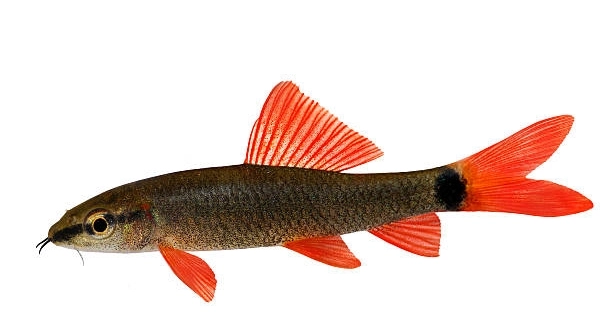
Are your Rainbow Sharks showing signs of stress after being introduced to new water? Changing their environment can be challenging, and proper care is essential to help them adjust smoothly. Understanding their needs can improve their well-being.
Helping a Rainbow Shark adapt to new water involves gradually acclimating it to the change, maintaining stable water parameters, and minimizing stress. Ensuring proper filtration, temperature, and water chemistry supports a healthier transition and reduces the risk of illness.
Learning these tips will improve your fish’s comfort and promote a peaceful aquarium environment for both your Rainbow Shark and its tank mates.
Gradual Acclimation to New Water
When moving your Rainbow Shark to new water, it is important to introduce it slowly. Sudden changes in water chemistry can shock the fish, causing stress or illness. Start by floating the sealed bag with the fish in the new tank for about 15 to 20 minutes. This allows the temperature to equalize gradually. Next, add a small amount of tank water into the bag every 10 minutes. Repeat this process several times over the course of an hour. This step-by-step method helps the fish adjust to the water’s pH, hardness, and other chemical differences. Avoid pouring the bag water directly into the tank to prevent introducing contaminants. Patience during this phase supports your fish’s health and improves its chances of adapting smoothly.
Taking your time during acclimation reduces the risk of shock and supports a stable transition for your Rainbow Shark.
The process of gradual acclimation requires consistency and care. Avoid rushing the steps or skipping intervals, as this can lead to stress or even death. Keep the new tank water clean and well-maintained during this period. Using a water conditioner can remove harmful chemicals like chlorine and chloramines, which are toxic to fish. Regularly test the water parameters to ensure they match your Rainbow Shark’s needs. Monitoring temperature, pH, ammonia, nitrite, and nitrate levels is essential. Keep the environment calm and quiet during acclimation to avoid startling your fish. A smooth adjustment improves their appetite and overall behavior, making them more active and vibrant in their new home. Following these steps will help your Rainbow Shark thrive in the new environment.
Maintain Stable Water Conditions
Keeping water conditions stable is key to your Rainbow Shark’s well-being. Sudden fluctuations in temperature or chemistry can cause stress.
Stable water conditions include maintaining a consistent temperature between 75°F and 79°F and monitoring pH levels around 6.5 to 7.5. Use a reliable heater and thermometer to avoid rapid changes. Frequent water testing helps catch any problems early. Proper filtration is also necessary to remove waste and keep the water clean. Regular partial water changes, about 20% weekly, prevent the buildup of harmful substances. Avoid overcrowding the tank, as this can increase waste and stress. Consistent conditions support your fish’s health and reduce the risk of disease.
Minimize Stress During Transition
Stress weakens your Rainbow Shark’s immune system and slows adaptation. Keeping the tank environment calm helps reduce anxiety.
Avoid sudden loud noises or rapid movements around the tank. Dim lighting during acclimation lowers stress levels. Adding hiding spots like caves or plants gives your fish a safe place to retreat. Keep tank mates peaceful to prevent bullying, which adds to stress. Monitoring behavior helps catch signs of distress early.
Stress also increases susceptibility to diseases. Maintaining a quiet, stable environment encourages your Rainbow Shark to explore and eat normally. This improves its overall chances of settling in well.
Use Proper Filtration and Aeration
Effective filtration removes waste, toxins, and excess food that can harm your Rainbow Shark. Choose a filter rated for your tank size to ensure adequate water turnover. Regular cleaning and maintenance prevent clogs and keep filtration efficient. Aeration adds oxygen to the water, supporting respiration and overall health. Air stones or bubble wands improve oxygen circulation, especially in densely stocked tanks. Proper filtration and aeration together maintain clear, clean water and reduce harmful ammonia or nitrite spikes. This creates an environment where your Rainbow Shark can thrive comfortably and stay healthy for the long term.
Monitor Water Quality Regularly
Regular testing ensures water remains safe for your Rainbow Shark. Check ammonia, nitrite, nitrate, and pH levels frequently. Use reliable test kits for accuracy. Early detection of issues prevents serious health problems.
Maintaining balanced water parameters helps your fish stay healthy and adapt quickly. Consistency is key to avoiding stress.
Provide a Balanced Diet
Feeding your Rainbow Shark a varied diet supports its health during adjustment. Include high-quality pellets, frozen or live foods like bloodworms and brine shrimp. Avoid overfeeding, which can pollute the water. Proper nutrition strengthens immunity and encourages normal behavior.
Avoid Overcrowding
Too many fish increase waste and stress, making adaptation difficult. Keep the tank size appropriate for your Rainbow Shark and its tank mates. Adequate space improves water quality and reduces competition for resources.
How long does it take for a Rainbow Shark to adjust to new water?
Adjustment time varies, but generally, Rainbow Sharks take between one to two weeks to fully adapt to new water conditions. During this period, they may show signs of stress such as hiding or reduced appetite. Consistent water quality and stable tank conditions speed up the process. Frequent monitoring is important to catch any health issues early.
What are common signs of stress in Rainbow Sharks after a water change?
Common signs include hiding more than usual, loss of appetite, rapid gill movement, clamped fins, and erratic swimming. Some fish may become lethargic or display unusual aggression. These behaviors indicate the fish is struggling to cope with the new environment. Taking steps to stabilize water parameters and reduce disturbances can help ease their stress.
Can I add water conditioner directly when acclimating my Rainbow Shark?
Yes, using a water conditioner in the new tank is recommended. It neutralizes harmful chemicals like chlorine and chloramines that are often present in tap water. However, add conditioner to the tank water before introducing your fish, not directly to the bag. This ensures safer water quality and reduces stress during acclimation.
Is it necessary to quarantine a Rainbow Shark before adding it to the main tank?
Quarantining new fish is highly recommended. It prevents introducing diseases to your established aquarium. A quarantine period of at least two weeks allows you to observe the fish for signs of illness. Treating any health issues in isolation protects both your Rainbow Shark and other tank inhabitants.
How often should I perform water changes during the adaptation period?
Perform partial water changes of about 20% weekly. During the adaptation period, if you notice any spikes in ammonia or nitrite, you may need to increase the frequency. Clean water supports a healthy environment and speeds up recovery from stress. Avoid large water changes all at once as they may cause further shock.
What tank mates are compatible with Rainbow Sharks?
Rainbow Sharks can be territorial but generally do well with peaceful, mid to bottom-dwelling fish of similar size. Avoid small, slow-moving, or highly aggressive species. Suitable tank mates include some types of barbs, danios, and certain catfish. Always monitor interactions closely to prevent bullying.
Can sudden temperature changes affect my Rainbow Shark’s adaptation?
Yes, temperature fluctuations can cause stress and weaken your Rainbow Shark’s immune system. Keep the water temperature steady between 75°F and 79°F. Using a reliable heater and thermometer is essential. Avoid placing the tank near windows or vents where temperature swings are common.
What should I do if my Rainbow Shark stops eating after moving to new water?
Loss of appetite is common but should not last more than a few days. Check water quality immediately and ensure parameters are within the correct range. Offer a variety of foods, including live or frozen options, to stimulate interest. Keep the tank environment calm and reduce disturbances to encourage feeding.
Is it safe to use aquarium plants during the acclimation process?
Yes, live plants provide natural hiding spots and improve water quality by absorbing nitrates. Plants help reduce stress by giving your Rainbow Shark places to feel secure. Choose hardy species that tolerate your tank’s conditions well. Make sure to rinse plants thoroughly before adding them to prevent pests or contaminants.
How important is tank size for a Rainbow Shark’s adjustment?
Tank size greatly affects stress and health. A minimum of 30 gallons is recommended for a single Rainbow Shark to have enough space to swim and establish territory. Larger tanks allow more stable water conditions, which supports easier adaptation. Overcrowding increases aggression and water quality problems.
Helping your Rainbow Shark adjust to new water is a process that requires patience and care. Following proper steps such as gradual acclimation, maintaining stable water conditions, and minimizing stress will support your fish’s health. These actions reduce the chances of illness and make the transition smoother for your Rainbow Shark. It is important to monitor water quality regularly and keep the environment calm. Doing so encourages your fish to explore, feed, and settle in comfortably.
Proper filtration and aeration are also essential during this period. Clean water free from toxins and adequate oxygen levels contribute to your Rainbow Shark’s overall well-being. A balanced diet and avoiding overcrowding in the tank further improve the chances of successful adaptation. Every step you take towards maintaining a healthy habitat adds to the fish’s comfort and longevity. Being consistent with water changes and testing helps keep the aquarium conditions optimal.
Adapting to new water is a critical time for your Rainbow Shark, but with attention to detail and steady care, it can thrive. Recognizing signs of stress early and adjusting your approach can prevent problems. Using the tips shared will ensure your Rainbow Shark feels safe and healthy in its new environment. This thoughtful approach benefits both your fish and the aquarium ecosystem as a whole.

Hello,
If you enjoy the content that we create, please consider saying a "Thank You!" by leaving a tip.
Every little bit helps us continue crafting quality advice that supports the health, happiness, and well-being of pets around the world, for pets of all shapes, sizes, and species.
We really appreciate the kindness and support that you show us!