
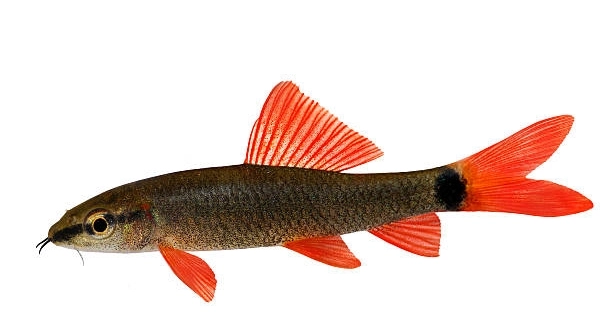
Are your rainbow sharks growing slower than expected or showing signs of stress? These colorful fish need specific care to thrive in home aquariums. Proper attention to their environment and needs can support healthy growth and vibrant colors.
Rainbow sharks require stable water conditions, balanced nutrition, adequate space, hiding spots, and compatible tank mates to ensure proper growth and overall health. Meeting these needs prevents stress and promotes longevity in captivity.
Knowing what your rainbow shark needs helps you create a healthy habitat and avoid common mistakes. This guide covers essential factors for their well-being and growth.
Stable Water Conditions
Maintaining stable water conditions is crucial for rainbow sharks to grow well. These fish prefer water temperatures between 74 and 79°F (23-26°C) and a pH range of 6.5 to 7.5. Sudden changes in temperature or pH can cause stress and slow their growth. It is important to test water parameters regularly and perform partial water changes weekly to keep the environment clean. Using a good filtration system helps remove waste and toxins that can harm your fish. Avoid overcrowding the tank, as this can increase ammonia levels and affect water quality. Keeping the tank well-oxygenated also supports their health. Monitoring these factors closely ensures your rainbow shark’s habitat remains stable and comfortable.
Consistent water quality prevents stress-related illnesses and supports natural growth rates in rainbow sharks.
Proper water conditions are the foundation for healthy rainbow sharks. Unstable water quality can lead to weakened immune systems, making fish more prone to disease. Monitoring temperature, pH, and ammonia levels reduces these risks. Use water conditioners to remove chlorine and heavy metals from tap water before adding it to the tank. Filters should be cleaned regularly but not replaced entirely at once, to maintain beneficial bacteria. Avoid overfeeding, as leftover food can decay and pollute the water. Observing your fish daily helps catch early signs of distress. A clean, balanced environment promotes optimal metabolism and vibrant coloration, which are indicators of good health in rainbow sharks.
Balanced Nutrition
Rainbow sharks need a diet rich in protein and nutrients to support growth and energy. Feeding a mix of high-quality flakes, pellets, and live or frozen foods like bloodworms or brine shrimp ensures they receive varied nutrition. Avoid overfeeding; giving small amounts two to three times a day works best. Uneaten food should be removed promptly to prevent water pollution. Including some vegetable matter, such as blanched spinach or zucchini, helps provide fiber and vitamins. A balanced diet strengthens the immune system and promotes strong muscles and fins. Proper feeding also reduces aggression, as hungry fish tend to be more territorial.
Providing consistent, varied food supports your rainbow shark’s health and encourages steady growth.
Adequate Space
Rainbow sharks need enough space to swim freely. A tank of at least 30 gallons is recommended to support their activity and growth. Crowded tanks cause stress and stunt development.
A larger tank helps maintain water quality by diluting waste, making it easier to manage ammonia and nitrate levels. More space also reduces aggressive behavior, as rainbow sharks can be territorial. Providing open swimming areas along with hiding spots allows them to feel secure while exploring their environment. Keeping the tank well-maintained with proper filtration complements the space requirements, promoting a healthy habitat.
Inadequate space can lead to poor growth and health issues. Smaller tanks limit oxygen availability and increase waste concentration, creating harmful conditions. Overcrowding also raises stress levels, weakening the immune system and making fish susceptible to disease. For these reasons, ensuring adequate tank size is essential to meet the biological and behavioral needs of rainbow sharks.
Hiding Spots and Decorations
Hiding spots reduce stress by offering rainbow sharks safe places to retreat. Rocks, caves, and plants create natural shelters in the tank. Decorations also help mimic their natural environment, which supports comfort and activity.
Providing diverse hiding options encourages natural behavior and prevents bullying from tank mates. Avoid sharp decorations that might injure the fish. Live plants not only offer shelter but also improve water quality by absorbing nitrates. Positioning hiding spots strategically creates multiple territories, reducing conflicts. Regularly clean decorations to prevent algae buildup. Well-arranged decorations balance open swimming areas with shelter, creating a stable environment that fosters healthy growth and well-being.
Compatible Tank Mates
Rainbow sharks do best with peaceful, similarly sized fish. Avoid small, slow-moving, or aggressive species that may stress or harm them.
Choosing compatible tank mates reduces conflict and supports a balanced aquarium environment where all fish can thrive without stress.
Regular Monitoring
Regularly check water parameters and observe your rainbow shark’s behavior. Early detection of illness or stress prevents serious problems.
Monitoring helps maintain a healthy tank and ensures your fish’s environment supports steady growth and well-being.
Proper Lighting
Moderate lighting helps maintain natural rhythms and promotes plant growth if you have live plants. Avoid intense or constant light, which can stress the fish and encourage algae growth.
Tank Maintenance
Consistent tank cleaning and water changes are vital for healthy fish. Remove debris and change 20-25% of the water weekly to keep conditions optimal.
What size tank does a rainbow shark need?
A rainbow shark needs at least a 30-gallon tank to have enough swimming space. Larger tanks are better because these fish are active swimmers and can become territorial. Providing adequate space reduces stress and supports healthy growth. Overcrowded tanks can cause poor water quality, leading to health issues.
How often should I feed my rainbow shark?
Feed your rainbow shark small amounts two to three times a day. Overfeeding can pollute the water and harm your fish. Remove any uneaten food after a few minutes. A balanced diet with protein and some vegetable matter is best for their health and growth.
What type of food is best for rainbow sharks?
High-quality flakes or pellets designed for carnivorous fish work well. Supplement their diet with live or frozen foods like bloodworms, brine shrimp, or daphnia. Occasionally offering blanched vegetables like zucchini provides fiber and vitamins, helping digestion and overall health.
Can rainbow sharks live with other fish?
Yes, but choose tank mates carefully. Avoid small or slow fish that might get bullied. Peaceful fish of similar size work best. Avoid overly aggressive species, as rainbow sharks can also be territorial. Providing hiding spots reduces conflicts.
How important is water quality for rainbow sharks?
Water quality is very important. Stable temperature, pH, and low ammonia levels prevent stress and disease. Regular testing and water changes keep the environment safe. Use a good filter and avoid overcrowding to maintain clean water.
What temperature should I keep my rainbow shark’s tank?
Maintain the temperature between 74°F and 79°F (23°C to 26°C). Sudden changes can stress the fish and affect growth. Use an aquarium heater with a thermostat to keep a stable temperature.
Do rainbow sharks need hiding places?
Yes, hiding places are essential. They provide shelter and reduce stress by giving your fish a safe retreat. Use caves, rocks, and plants to create hiding spots. Avoid sharp decorations that could injure them.
How often should I clean my rainbow shark’s tank?
Perform partial water changes of about 20-25% weekly. Remove debris and clean the substrate gently. Clean but don’t completely replace filter media all at once, to preserve beneficial bacteria. Regular maintenance supports healthy fish and clear water.
Can rainbow sharks tolerate different water pH levels?
Rainbow sharks prefer a pH range of 6.5 to 7.5. Keeping pH stable within this range is important to avoid stress. Sudden shifts outside this range can cause health problems.
What signs show my rainbow shark is unhealthy?
Look for faded colors, lethargy, loss of appetite, or abnormal swimming. Clamped fins and visible spots or sores are also warning signs. Early detection allows quicker treatment and recovery.
Is it okay to keep more than one rainbow shark in a tank?
Multiple rainbow sharks can be kept only if the tank is very large and has plenty of hiding spots. Otherwise, territorial disputes can occur, causing stress and injury.
How do I reduce aggression in rainbow sharks?
Provide enough space and hiding spots. Choose peaceful tank mates and avoid overcrowding. Feeding a balanced diet reduces hunger-driven aggression. Observing behavior helps you act quickly if conflicts arise.
Can live plants help rainbow sharks?
Yes, live plants provide shelter and improve water quality by absorbing nitrates. They also create a more natural environment, reducing stress.
What lighting is best for rainbow sharks?
Moderate lighting mimics natural conditions and supports live plants if used. Avoid bright or constant light, which can stress fish and cause excessive algae growth.
How do I introduce a new rainbow shark to the tank?
Quarantine new fish before adding them to the main tank to avoid disease introduction. Introduce them slowly, monitor behavior, and ensure the tank has enough space and hiding places.
These answers cover the essential care topics that will help your rainbow shark grow properly and stay healthy in your aquarium.
Proper care for your rainbow shark is essential to ensure it grows healthy and thrives in your aquarium. Paying close attention to its environment, diet, and behavior will help you meet its basic needs. Stable water conditions, including the right temperature and pH, are fundamental to maintaining the fish’s health. Without consistent water quality, your rainbow shark can become stressed or ill, which slows growth and affects its overall well-being. Regular testing and maintenance of the tank will keep the water clean and safe, creating a suitable habitat for your fish to flourish.
Nutrition also plays a key role in supporting the growth and vitality of your rainbow shark. Feeding a balanced diet that includes high-quality flakes or pellets along with live or frozen foods helps provide the necessary nutrients. Including some vegetable matter is important as well, since it offers fiber and vitamins that support digestion and general health. Overfeeding should be avoided, as leftover food can quickly pollute the water and harm your fish. Feeding smaller portions multiple times a day works best to keep your rainbow shark satisfied without compromising tank cleanliness.
The physical setup of the tank contributes significantly to the comfort and growth of your rainbow shark. Providing enough space with at least a 30-gallon tank allows your fish to swim freely and reduces stress. Adding hiding spots through rocks, caves, or plants offers places to retreat, which helps minimize aggression and territorial disputes. Choosing compatible tank mates is also important to maintain a peaceful environment. By following these guidelines, you can create a healthy, stable, and balanced environment where your rainbow shark can develop fully and display its vibrant colors over time.

Hello,
If you enjoy the content that we create, please consider saying a "Thank You!" by leaving a tip.
Every little bit helps us continue crafting quality advice that supports the health, happiness, and well-being of pets around the world, for pets of all shapes, sizes, and species.
We really appreciate the kindness and support that you show us!