
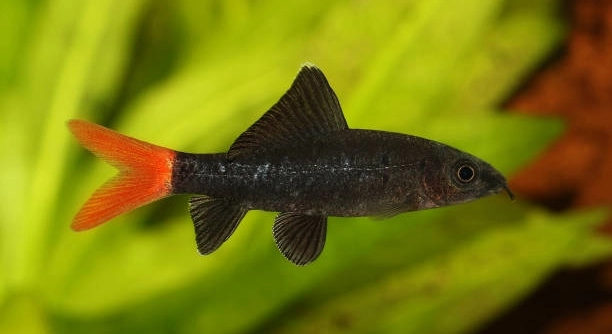
Rainbow sharks are popular aquarium fish known for their vibrant colors and active behavior. However, many owners notice sudden aggression that can disrupt tank harmony. Understanding the causes of this aggression is important for maintaining a peaceful environment.
Rainbow shark aggression often stems from territorial behavior, overcrowding, insufficient hiding spots, poor water quality, stress from incompatible tank mates, inadequate diet, or sudden changes in the environment. Addressing these factors can significantly reduce aggressive incidents in home aquariums.
Learning the common triggers of aggression and practical solutions helps keep rainbow sharks calm and healthy. The following information offers clear guidance to improve your fish’s behavior and overall tank balance.
Territorial Behavior
Rainbow sharks are naturally territorial fish. They often claim specific areas in the tank as their own, especially if the space is limited. When other fish enter this space, the rainbow shark may become aggressive to defend its territory. This behavior is common in smaller tanks where hiding places are scarce. Providing enough space and distinct zones can reduce conflicts. If the tank is too small, aggression is more likely to increase, causing stress for all fish involved. Setting up decorations like plants or rocks can help create boundaries. These visual barriers give rainbow sharks a sense of security and lessen aggressive encounters. In general, understanding their territorial nature is essential for keeping peace in the aquarium.
Territorial aggression happens mostly when space is limited. Creating clear boundaries in the tank helps reduce this behavior.
Managing territory requires offering enough room and visual separation. Adding hiding spots or dividing the tank into zones can ease tensions and support a calmer environment.
Overcrowding
Overcrowding is a common issue that raises stress levels in rainbow sharks. When too many fish share the same tank, it limits personal space and increases competition for resources like food and hiding spots. Overcrowded tanks make it difficult for rainbow sharks to establish their territory, leading to more frequent fights. This stress can cause long-term health problems and a shorter lifespan. To prevent overcrowding, it is important to follow recommended stocking levels for the tank size. Providing adequate filtration and regular water changes also support a healthier environment, which reduces stress and aggression. Keeping fewer fish and giving each enough room results in better behavior and a more balanced aquarium.
Controlling tank population is key to managing rainbow shark aggression and ensuring their well-being.
When overcrowding occurs, fish become stressed and territorial disputes rise. This stress manifests in frequent chasing, fin nipping, and aggressive displays. Overcrowding not only triggers aggression but also worsens water quality as waste accumulates faster. Poor water conditions increase irritation and vulnerability to disease. Owners should maintain proper stocking density to minimize these risks. Each rainbow shark requires space to swim and hide comfortably. The tank should be large enough to accommodate their active nature and territorial instincts. Observing fish behavior regularly can indicate if overcrowding is a problem. Signs include constant chasing and damaged fins. Reducing the number of fish or upgrading to a bigger tank are effective solutions. Maintaining a balanced community with compatible species also helps reduce tension. Overall, preventing overcrowding is a simple but essential step toward controlling aggression and promoting healthier rainbow sharks.
Insufficient Hiding Spots
Rainbow sharks need places to hide to feel safe. Without enough hiding spots, they become stressed and more aggressive toward other fish. Hiding areas reduce tension and give fish a chance to rest.
Adding plants, rocks, or caves creates safe zones. These spots allow rainbow sharks to retreat and avoid confrontations. Without hiding places, their territorial instincts increase, causing more frequent chasing and attacks. Aquariums that lack decor leave fish exposed and vulnerable, which raises anxiety levels. By placing several hiding spots throughout the tank, you can break up open areas and help fish feel secure. This strategy lowers stress and keeps aggression in check. Even simple additions can make a significant difference in behavior and tank harmony.
Using natural-looking decor supports a calmer environment. It also improves the overall health of the fish by reducing stress-triggered illnesses.
Poor Water Quality
Water quality directly affects rainbow shark behavior. Dirty or unbalanced water causes irritation and stress, leading to aggression. High ammonia or nitrite levels harm fish health and increase their defensive actions. Maintaining clean water is essential for peace.
Regular water changes, proper filtration, and monitoring parameters prevent water quality problems. Testing for ammonia, nitrites, nitrates, and pH helps detect issues early. Poor water conditions not only cause aggression but also weaken immune systems, making fish vulnerable to disease. Keeping the tank clean and stable creates a comfortable environment, reducing stress-induced conflicts. Stress from poor water quality often results in erratic or aggressive swimming, chasing, and fin nipping. By prioritizing water maintenance, owners can control aggression and promote healthier rainbow sharks. It is important to establish a routine for cleaning and water testing, ensuring a balanced habitat over time. A well-maintained tank supports fish well-being and social stability.
Stress from Incompatible Tank Mates
Some fish species do not get along with rainbow sharks. Aggression increases when tank mates are too similar in size or temperament. Choosing peaceful companions helps reduce stress.
Avoid keeping rainbow sharks with overly aggressive or very passive fish. Compatibility plays a key role in maintaining harmony.
Inadequate Diet
A poor diet can make rainbow sharks more aggressive. Nutritional deficiencies or irregular feeding cause irritability and competition during feeding times.
Feeding a balanced diet rich in proteins and vitamins supports calm behavior. Consistent feeding schedules prevent hunger-driven aggression and promote healthier interactions.
Sudden Environmental Changes
Rainbow sharks dislike sudden changes in lighting, temperature, or water chemistry. These abrupt shifts can cause stress and aggressive reactions.
Maintaining stable tank conditions and avoiding quick changes helps keep rainbow sharks calm and reduces aggressive outbursts. Consistency is crucial for their well-being.
Why is my rainbow shark so aggressive all of a sudden?
Sudden aggression in rainbow sharks is often linked to changes in their environment or social structure. It could be due to overcrowding, new tank mates, or alterations in water quality. Stress from these factors triggers defensive behavior. Observing recent changes can help identify the cause and allow timely adjustments to calm the fish.
How can I reduce aggression between rainbow sharks in the same tank?
Separate territories by adding plants, rocks, and caves to break up open spaces. Make sure the tank is large enough for each shark to claim its own area. Avoid overcrowding and maintain good water quality. Providing enough hiding spots and consistent feeding reduces competition and aggression.
Can rainbow sharks live peacefully with other fish?
Yes, but choosing compatible tank mates is crucial. Avoid aggressive or very passive species. Ideal companions are similar-sized, peaceful fish that occupy different areas of the tank. Proper spacing and tank size also improve harmony among species.
What role does tank size play in aggression?
Smaller tanks increase territorial disputes because space is limited. Larger tanks allow rainbow sharks to spread out and reduce conflict. A minimum of 30 gallons is recommended for one rainbow shark, with additional space needed for more fish. Space reduces stress and aggression.
Does diet affect rainbow shark behavior?
Yes, an inadequate diet can cause irritability and increased aggression. Feeding a balanced diet rich in protein and vitamins supports healthy behavior. Regular feeding schedules prevent hunger-driven fights over food.
How often should I test my tank water?
Testing water weekly helps maintain a healthy environment. Key parameters include ammonia, nitrites, nitrates, and pH levels. Detecting imbalances early prevents stress and aggressive behavior. Consistent water changes and filtration are also important.
What are signs of stress in rainbow sharks?
Stress signs include erratic swimming, hiding, fin nipping, and constant chasing. Loss of color or appetite can also indicate stress. Identifying these signs early allows for quick action to improve tank conditions.
Will adding more hiding spots really reduce aggression?
Yes, hiding spots offer refuge and reduce territorial conflicts. Plants, caves, and rocks create visual barriers that lower stress. Multiple hiding places ensure all fish have space to retreat, calming the overall tank environment.
Is it necessary to quarantine new fish before adding them to the tank?
Quarantining new fish helps prevent disease and aggression. It gives time to observe behavior and health before introducing them to the main tank. This step reduces stress on rainbow sharks and helps maintain peace.
Can changing lighting help control aggression?
Sudden changes in lighting can increase stress and aggression. Keeping a consistent light schedule simulates natural conditions and promotes calm behavior. Avoid harsh or overly bright lighting to reduce irritability.
How do water temperature fluctuations affect aggression?
Rainbow sharks prefer stable temperatures between 74°F and 80°F. Rapid temperature changes cause stress and may trigger aggression. Using a reliable heater and monitoring temperature regularly helps maintain stability.
What is the best way to introduce new fish to a tank with rainbow sharks?
Introduce new fish slowly and observe reactions closely. Adding new fish at night or behind a divider allows gradual adjustment. This minimizes territorial aggression and gives fish time to adapt.
Can overcrowding lead to disease as well as aggression?
Yes, overcrowding worsens water quality and stress, making fish vulnerable to illness. Poor health increases irritability and aggressive behavior. Maintaining proper stocking levels supports fish health and peace.
How do I know if aggression is normal or a problem?
Some chasing is normal as rainbow sharks establish territories. However, constant attacks, fin damage, and hiding indicate problematic aggression. Addressing underlying causes like space, diet, and water quality is necessary for long-term harmony.
Is it helpful to rearrange tank decorations to reduce aggression?
Rearranging decorations can reset territorial boundaries and reduce fights. Changing the layout breaks up established territories and forces fish to explore new spaces. This often decreases aggression temporarily or long term.
Rainbow sharks are beautiful and active fish that can bring life to any aquarium. However, their natural territorial instincts sometimes lead to aggression. Understanding the main causes of this behavior is important for any fish owner. When aggression occurs, it usually signals that something in the tank is not quite right. This could be overcrowding, lack of hiding spots, poor water quality, or stress from incompatible tank mates. By paying attention to these factors, owners can create a healthier and calmer environment for their rainbow sharks and other fish.
Maintaining a balanced aquarium involves several key steps. First, providing enough space and creating clear territories helps reduce aggressive behavior. Decorations such as plants, rocks, and caves give fish places to hide and feel secure. Second, regular water testing and cleaning keep water conditions stable, which lowers stress levels. Finally, feeding a nutritious diet on a consistent schedule supports good health and reduces competition during feeding times. These simple actions can make a significant difference in controlling aggression and improving the overall well-being of rainbow sharks.
Dealing with rainbow shark aggression requires patience and observation. It is important to watch fish behavior closely and make adjustments as needed. Sometimes small changes, like adding more hiding spots or rearranging decorations, can have a positive impact. Other times, upgrading to a larger tank or changing tank mates may be necessary. Consistency in tank maintenance and providing a peaceful environment are essential to keeping rainbow sharks calm. With careful care and attention, it is possible to enjoy the beauty and energy of rainbow sharks without the stress of aggression.

Hello,
If you enjoy the content that we create, please consider saying a "Thank You!" by leaving a tip.
Every little bit helps us continue crafting quality advice that supports the health, happiness, and well-being of pets around the world, for pets of all shapes, sizes, and species.
We really appreciate the kindness and support that you show us!