
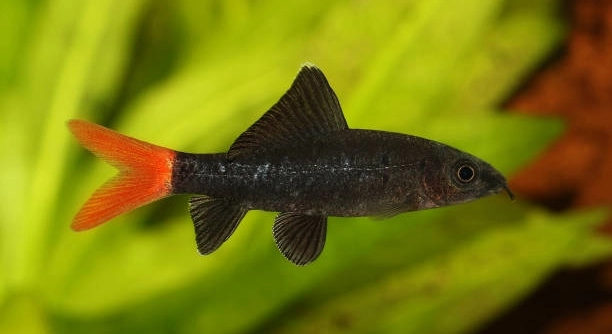
Rainbow sharks are popular aquarium fish known for their vibrant colors and active behavior. Many owners notice their fish scratching against tank surfaces, which can cause stress and injury. Understanding why this happens is important for maintaining their health and comfort.
Rainbow shark scratching often results from environmental stressors such as poor water quality, insufficient hiding places, aggressive tank mates, or improper diet. Addressing these factors can significantly reduce scratching and improve the fish’s overall well-being in captivity.
Preventing scratching requires attention to the aquarium setup and fish care. The following tips will help keep your rainbow shark healthy and comfortable in its environment.
Maintain Optimal Water Quality
Water quality plays a crucial role in preventing rainbow shark scratching. Regular water changes are essential to keep ammonia, nitrite, and nitrate levels low. Testing the water weekly helps you detect any harmful spikes early. Using a good filtration system supports a stable environment by removing waste and debris. Avoid overcrowding the tank, as this can increase waste and stress for your fish. Temperature stability is also important; sudden changes can lead to discomfort and increased scratching. Keeping the water clean and balanced creates a comfortable habitat that reduces irritation for your rainbow shark.
Consistent monitoring and maintenance are key to sustaining water quality. Regular testing and partial water changes help maintain a safe environment for your fish.
Setting up a proper cleaning schedule makes this easier. You don’t need to change all the water at once—about 20-30% every week works well. Be sure to remove uneaten food and debris from the tank regularly. This prevents toxins from building up. Using a water conditioner to remove chlorine and chloramine is necessary when adding new water. Stable temperature and clean water reduce the chances of skin irritation and scratching in rainbow sharks.
Provide Adequate Hiding Places
Rainbow sharks need places to hide and feel secure. Adding plants, rocks, or caves helps reduce their stress. A well-decorated tank mimics their natural environment and allows them to retreat when they feel threatened. This lowers their tendency to scratch against tank surfaces. Lack of hiding spots can make them anxious, leading to more scratching behavior. Providing enough shelters benefits their mental and physical health, making them more comfortable in the tank.
Avoid Aggressive Tank Mates
Aggressive fish can stress rainbow sharks, causing them to scratch more often. Choose peaceful species that coexist well. Aggression leads to physical harm and anxiety, both of which increase scratching behaviors.
Aggressive tank mates cause stress through constant chasing or biting. This stress weakens the fish’s immune system and damages their protective slime coat, which can result in skin irritation. Maintaining a calm community tank is essential for preventing injury and discomfort. When selecting tank mates, opt for species known for peaceful interactions and similar water requirements. Avoid fin-nippers or overly territorial fish. Providing enough space and hiding places also helps reduce conflicts. A peaceful environment keeps your rainbow shark healthier and less prone to scratching.
Keeping aggression low benefits all fish in the tank. Observing behaviors regularly allows quick action if any fish shows signs of bullying or stress. Removing aggressive individuals immediately can prevent further damage.
Feed a Balanced Diet
A proper diet supports skin health and reduces scratching caused by nutritional deficiencies. Rainbow sharks require a mix of protein and plant matter. Offering varied foods ensures they get all necessary nutrients.
Feeding high-quality pellets or flakes formulated for bottom feeders forms the diet’s base. Supplementing with fresh vegetables like zucchini or peas adds fiber and vitamins. Occasional treats of live or frozen foods, such as bloodworms or brine shrimp, provide protein and enrich the diet. Avoid overfeeding, as leftover food can pollute the tank and cause health issues. Consistent feeding schedules promote digestion and reduce stress. Nutritional balance directly influences the condition of the skin and scales, making scratching less likely.
Changes in diet should be gradual to avoid digestive upset. Monitoring the fish’s response to new foods helps fine-tune their diet. Ensuring variety and quality in feeding habits supports overall health and well-being.
Avoid Sharp Decorations
Sharp or rough decorations can injure rainbow sharks, leading to scratching as they try to soothe wounds. Choose smooth surfaces and rounded edges for tank décor.
Natural rocks and smooth driftwood work well. Inspect all items before placing them in the tank to prevent accidental cuts or abrasions.
Maintain Proper Tank Size
Rainbow sharks need ample space to swim freely and establish territories. A crowded tank increases stress and scratching behavior.
Providing at least 30 gallons for one rainbow shark allows enough room for movement and reduces territorial disputes, which can cause irritation.
Use Gentle Water Flow
Strong currents can stress rainbow sharks and cause them to scratch against tank surfaces. Adjust filters or pumps to create gentle water flow.
Rainbow sharks prefer calmer areas in the tank. Position decorations to break up currents and provide resting spots away from strong water movement.
What causes rainbow sharks to scratch themselves?
Rainbow sharks scratch mainly due to irritation caused by poor water quality, aggressive tank mates, or physical injury. Stress from overcrowding or lack of hiding places can also make them more prone to rubbing against tank surfaces. Parasites or infections sometimes contribute to scratching as well.
How can I tell if my rainbow shark is scratching too much?
Signs include frequent rubbing against decorations or glass, visible skin damage, or missing scales. You may notice the fish acting restless or hiding more often. Prolonged scratching can lead to wounds or infections, which need immediate attention.
Is poor water quality the main reason for scratching?
Poor water quality is one of the most common causes. High ammonia, nitrite, or nitrate levels irritate the skin and gills, causing discomfort. Regular water tests and maintenance help prevent this issue and keep your fish healthy.
What water parameters should I maintain for rainbow sharks?
Ideal parameters include a temperature of 72-79°F (22-26°C), pH between 6.5 and 7.5, and low ammonia, nitrite (0 ppm), and nitrate levels (below 20 ppm). Stable conditions reduce stress and prevent skin problems.
Can aggressive tank mates cause scratching?
Yes, aggressive or territorial fish can chase or nip at rainbow sharks. This stress leads to scratching and physical injury. Keeping peaceful fish with compatible temperaments is important for reducing this behavior.
What tank mates work well with rainbow sharks?
Peaceful species like tetras, danios, and some gouramis usually coexist well. Avoid fin-nippers or overly aggressive fish. Providing plenty of space and hiding spots reduces conflicts.
How often should I change the water?
A 20-30% water change weekly is recommended. This keeps toxins low and supports good water quality. Frequent partial changes are better than occasional large ones to avoid stress from sudden changes.
What foods are best for rainbow sharks?
A balanced diet includes sinking pellets or flakes designed for bottom feeders, fresh vegetables like zucchini or peas, and occasional live or frozen protein treats such as bloodworms or brine shrimp. Variety supports skin health and overall well-being.
Can scratching cause infections?
Yes, excessive scratching can break the skin, creating open wounds vulnerable to bacterial or fungal infections. Immediate treatment is important if wounds or redness appear.
How can I treat infections from scratching?
Remove the fish to a quarantine tank if possible. Use appropriate antibacterial or antifungal medications following instructions carefully. Improving water quality and reducing stress factors also aid recovery.
Are there ways to prevent scratching besides water quality?
Yes, providing hiding places, avoiding aggressive tank mates, maintaining a proper diet, and using smooth decorations all help reduce scratching. Gentle water flow and appropriate tank size also contribute to comfort.
Why do rainbow sharks need hiding spots?
Hiding spots reduce stress by allowing fish to retreat and feel secure. This decreases anxiety-related scratching and helps maintain their natural behavior patterns.
Can temperature fluctuations cause scratching?
Sudden or frequent temperature changes stress fish, potentially causing irritation and scratching. Keeping temperature stable within the recommended range helps prevent this.
Is overfeeding related to scratching?
Overfeeding can degrade water quality and lead to skin irritation indirectly. Leftover food decomposes, increasing toxins and promoting unhealthy tank conditions.
How do I know if my tank decorations are safe?
Check for sharp edges or rough surfaces by running your hand over decorations before adding them. Opt for smooth rocks, polished driftwood, or commercial aquarium décor made for fish tanks.
Should I isolate a scratching rainbow shark?
If scratching leads to injury or infection, isolating the fish in a quarantine tank can help prevent further harm and allow targeted treatment.
What else can cause scratching besides tank conditions?
Parasites or skin diseases can cause itching and scratching. If water quality and tank mates are fine but scratching persists, consult a vet or aquarium specialist for diagnosis.
Maintaining a healthy environment is the best way to prevent rainbow shark scratching. Paying close attention to water quality, tank size, and suitable tank mates creates a comfortable home for your fish. Clean water with stable parameters reduces stress and skin irritation. Regular partial water changes and testing help keep conditions consistent. Choosing peaceful fish and providing enough space lowers tension in the tank, preventing aggressive behavior that can lead to scratching. A well-kept aquarium supports your rainbow shark’s health and happiness.
In addition to the environment, the fish’s diet plays a vital role in preventing scratching. Feeding a balanced diet with both protein and plant matter ensures the fish receive all necessary nutrients. Fresh vegetables, quality pellets, and occasional live or frozen foods promote healthy skin and scales. Avoiding overfeeding is important because leftover food can degrade water quality, increasing irritation risks. A good diet strengthens the fish’s immune system, making it less vulnerable to stress and injury.
Finally, attention to the tank setup is crucial. Avoid decorations with sharp edges or rough surfaces that can physically harm the fish. Provide plenty of hiding places to reduce stress and give your rainbow shark a safe space to retreat. Gentle water flow helps prevent discomfort caused by strong currents. Monitoring the fish regularly allows you to catch any problems early, whether from disease, injury, or environmental factors. Taking these simple steps will help keep your rainbow shark healthy and reduce scratching behavior over time.

Hello,
If you enjoy the content that we create, please consider saying a "Thank You!" by leaving a tip.
Every little bit helps us continue crafting quality advice that supports the health, happiness, and well-being of pets around the world, for pets of all shapes, sizes, and species.
We really appreciate the kindness and support that you show us!