
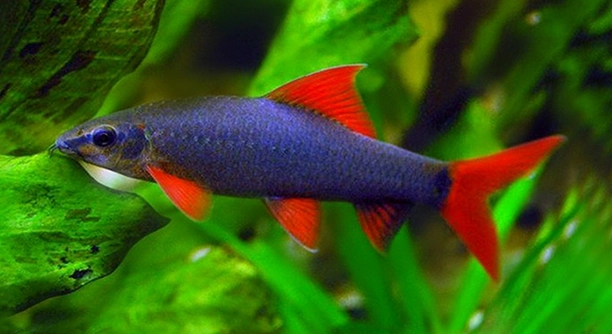
Rainbow sharks are popular freshwater fish known for their vibrant colors and active behavior. Many owners enjoy watching them swim and interact in their tanks. However, changes in their behavior can sometimes be confusing or worrying for fish keepers.
Behavioral changes in rainbow sharks often result from environmental stress, illness, poor water quality, or social dynamics within the tank. Identifying the exact cause requires understanding these common factors and their effects on the fish’s health and activity levels.
Recognizing these reasons can help you better care for your rainbow shark and maintain a healthy aquarium environment. This article explains the key causes behind their unusual behavior.
Changes in Water Quality
Water quality is one of the most important factors affecting your rainbow shark’s behavior. Poor water conditions can cause stress and lead to unusual activity or hiding. Parameters like ammonia, nitrite, nitrate levels, and pH must be monitored regularly. High levels of toxins can irritate the fish’s gills and skin, making them less active or causing erratic swimming. Sudden changes in temperature or pH can also disturb their comfort. Keeping the tank clean with frequent water changes and a good filtration system helps maintain stable conditions. Testing the water weekly is a simple way to catch problems early before your fish show signs of distress.
Monitoring water quality prevents many health issues. Rainbow sharks rely heavily on a stable and clean environment.
Ensuring consistent water parameters is crucial. Use a reliable water testing kit and maintain proper filtration. A stable environment keeps your rainbow shark healthy and more active, reducing the risk of illness or stress-related behavior changes.
Social Stress and Tank Mates
Rainbow sharks can become territorial, especially if the tank is crowded or has incompatible species. They may show aggression or hide when feeling threatened. Social stress often results in changes like darting around or staying out of sight. Choosing tank mates that tolerate similar water conditions but do not compete aggressively is essential. Also, provide enough space and hiding spots to reduce conflicts. A larger tank can minimize stress by giving each fish its own territory. Watching interactions helps determine if social stress is the reason behind behavioral changes. Addressing these issues can improve harmony and reduce stress in the aquarium.
Illness and Disease
Signs of illness often cause rainbow sharks to behave differently. They may stop eating, swim erratically, or stay at the bottom of the tank. It’s important to watch closely for changes in appearance or movement.
Illness in rainbow sharks can stem from poor water conditions, parasites, or bacterial infections. Common symptoms include faded colors, torn fins, and unusual spots. If you notice any of these signs, testing the water quality and isolating the sick fish can help prevent the spread of disease. Treatment varies depending on the illness, so consulting a specialist or using appropriate medication is necessary. Early detection and care improve the chances of recovery.
Maintaining a clean tank and stable environment lowers the risk of disease. Proper nutrition and avoiding overcrowding also support your fish’s immune system. When illness occurs, acting quickly can save your rainbow shark and protect other tank inhabitants.
Feeding Habits and Nutrition
Rainbow sharks need a balanced diet with protein and plant matter. Poor nutrition can lead to lethargy or aggressive behavior. Feeding the right amount and variety is key to keeping them healthy.
A diet mainly consisting of flakes or pellets may not meet all their needs. Including live or frozen foods like bloodworms and brine shrimp helps improve their condition. Vegetables such as zucchini or spinach also support their digestion. Overfeeding can cause water quality issues and obesity, while underfeeding leads to weakness. Feeding small portions two to three times a day keeps them energetic and well-nourished. Adjust feeding habits if you see changes in their activity or appearance.
Tank Size and Space
Rainbow sharks need enough space to swim and establish territory. A small tank can make them stressed and aggressive.
Providing at least 30 gallons per fish helps reduce territorial disputes and promotes natural behavior.
Lighting and Environment
Strong or constant lighting can stress rainbow sharks, causing them to hide or act restless. Using a timer to simulate natural day and night cycles supports their well-being.
Adjust lighting intensity if your fish show signs of discomfort. Adding plants and decorations offers shelter and breaks up open areas, creating a more comfortable environment.
Breeding Behavior
During breeding periods, rainbow sharks may change their behavior, becoming more territorial or restless. This is normal and usually temporary.
If breeding behavior causes stress among tank mates, consider separating the fish or providing extra hiding spaces to minimize conflict.
Water Temperature
Rainbow sharks prefer temperatures between 74°F and 79°F. Water outside this range can make them sluggish or overly active. Maintaining stable temperatures with a reliable heater is essential to avoid stress or illness.
FAQ
Why is my rainbow shark hiding all the time?
Rainbow sharks often hide when they feel stressed or unsafe. This can be due to poor water quality, aggressive tank mates, or sudden changes in their environment. Hiding helps them avoid conflict and reduce stress. Providing enough hiding spots and keeping the tank clean usually helps them feel more secure and come out more often.
What causes my rainbow shark to swim erratically?
Erratic swimming is often a sign of stress or illness. It may result from poor water conditions, parasites, or sudden changes in temperature or pH. Sometimes, aggressive tank mates can also cause this behavior. Checking water quality and observing other fish’s behavior can help identify the cause. Prompt action can prevent worsening of the condition.
Is it normal for rainbow sharks to be aggressive?
Rainbow sharks are naturally territorial, especially in smaller tanks or when housed with incompatible fish. Some level of aggression is expected, but constant fighting or injury means the tank is too small or the fish are incompatible. Increasing tank size or rearranging tank mates often reduces aggression and stress.
How often should I feed my rainbow shark?
Feeding your rainbow shark two to three times a day with small portions works best. Overfeeding can pollute the tank and harm your fish, while underfeeding leads to weakness. A balanced diet with pellets, flakes, and occasional live or frozen foods keeps them healthy and active.
Can water temperature affect my rainbow shark’s behavior?
Yes, temperature changes can greatly affect their activity. Rainbow sharks prefer stable temperatures between 74°F and 79°F. Water that is too cold or too warm causes lethargy or hyperactivity. Using a heater and thermometer helps maintain a consistent environment.
What should I do if my rainbow shark stops eating?
Loss of appetite can indicate stress, illness, or poor water quality. Test the water and observe for other symptoms like discoloration or lethargy. Isolate the fish if needed and consult treatment options. Improving tank conditions and offering varied foods may encourage eating again.
Why does my rainbow shark chase other fish?
Chasing is a territorial behavior, often seen in smaller tanks or with similar species. It can stress other fish and lead to injury. Providing more space and hiding spots can help. If aggression persists, separating the fish or changing tank mates might be necessary.
How important is tank size for a rainbow shark?
Tank size is very important. Rainbow sharks need room to swim and establish territory. A minimum of 30 gallons per fish helps reduce stress and aggressive behavior. Smaller tanks often lead to health problems and unusual behavior due to overcrowding.
What role does water quality play in my rainbow shark’s health?
Water quality directly affects their health and behavior. Poor water can cause stress, illness, and unusual activity. Regular testing and maintenance of ammonia, nitrite, nitrate, and pH levels keep the tank safe. Clean water supports their immune system and promotes normal behavior.
Can rainbow sharks live peacefully with other fish?
They can, if tank mates are carefully chosen. Avoid other territorial or aggressive fish. Peaceful, similarly sized species that share water requirements usually coexist well. Ensuring enough space and hiding places also helps maintain harmony in the tank.
Rainbow sharks are lively and colorful fish that bring energy to many home aquariums. However, when they start acting differently, it can be concerning. Changes in behavior often point to underlying issues that need attention. Understanding the common reasons behind these changes is important for their care. Factors such as water quality, tank size, social stress, illness, and feeding habits all play a role in how your rainbow shark behaves. Being aware of these helps in creating a healthy environment where your fish can thrive.
Maintaining stable water conditions is one of the most important steps in keeping your rainbow shark healthy. Regular water testing and cleaning help prevent stress and disease. Tank size and the choice of tank mates also influence how your rainbow shark acts. A cramped or overcrowded tank often leads to aggression or hiding. Providing enough space and compatible companions reduces stress and supports natural behavior. Nutrition is another key aspect. A balanced diet with a mix of flakes, pellets, and occasional live food keeps your fish energetic and healthy. Watching your rainbow shark closely for changes in activity or appetite can give early signs if something is wrong.
It’s normal for rainbow sharks to show some territorial behavior, especially during breeding or in small tanks. This does not always mean something is wrong, but it should be managed to avoid injury and stress. Adjusting tank conditions, feeding routines, and social setup can often improve behavior. If illness is suspected, acting quickly with proper care and treatment is essential. Overall, attention to the environment and daily care will help your rainbow shark stay active and happy. Understanding these needs can make a positive difference in how your fish live and behave.

Hello,
If you enjoy the content that we create, please consider saying a "Thank You!" by leaving a tip.
Every little bit helps us continue crafting quality advice that supports the health, happiness, and well-being of pets around the world, for pets of all shapes, sizes, and species.
We really appreciate the kindness and support that you show us!