
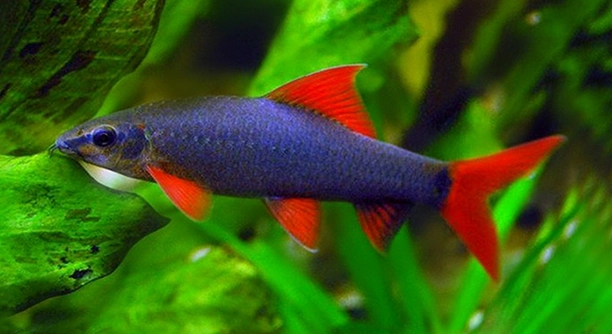
Rainbow sharks are popular aquarium fish known for their striking colors and active nature. Many owners enjoy watching them, but sometimes caring for these fish can lead to stress. Understanding common tank problems helps improve their environment and health.
Managing rainbow shark tank stress involves simple steps like maintaining clean water, providing adequate space, ensuring proper diet, controlling tank mates, monitoring water parameters, reducing sudden changes, and offering hiding spots. These measures create a stable and comfortable habitat that minimizes stress.
These easy strategies can help keep your rainbow sharks healthy and lively. Learning more about their needs makes a big difference in tank harmony and fish well-being.
Keep the Water Clean and Balanced
Maintaining clean water is one of the most important ways to reduce stress for rainbow sharks. Regular water changes remove waste and toxins that build up over time. It is recommended to change 20 to 30 percent of the water weekly. Testing water parameters such as ammonia, nitrite, nitrate, and pH levels ensures the environment stays safe for the fish. Using a good water conditioner helps remove harmful chemicals like chlorine from tap water. Filters must be cleaned and checked regularly to keep water clear and oxygenated. Dirty or poorly balanced water causes health problems and stress in rainbow sharks, so attention to water quality is essential. Keeping the tank clean creates a stable environment where fish can thrive and display natural behavior.
Regular water testing and weekly changes can prevent many stress-related issues in your tank.
Proper water maintenance provides a healthy foundation for your rainbow sharks. Without this, stress can weaken their immune system, making them prone to diseases. Besides regular water changes, using a reliable filtration system is vital. Filters remove debris and harmful substances while maintaining water circulation. A stable temperature between 74°F and 79°F supports their comfort. Sudden shifts in water chemistry or temperature can increase stress levels quickly. Watching for signs like faded colors or hiding often can help catch problems early. Overall, clean and balanced water supports both the physical health and well-being of your fish, encouraging peaceful tank life.
Provide Adequate Space and Hiding Places
Rainbow sharks need enough room to swim and explore. A tank that is too small causes them to become territorial and stressed. A minimum of 30 gallons is recommended for one fish, with additional space if keeping more. Hiding places like plants, rocks, or decorations help reduce stress by giving fish safe spots to retreat when needed.
Offering enough space and shelter supports peaceful behavior and helps your rainbow sharks feel secure in their home.
Feed a Balanced and Appropriate Diet
Feeding rainbow sharks a balanced diet supports their health and reduces stress. They need a mix of protein and plant-based foods to stay strong and active.
A good diet includes high-quality pellets or flakes designed for omnivorous fish, supplemented with fresh vegetables like zucchini or peas. Occasionally, offering live or frozen foods such as bloodworms or brine shrimp adds variety and important nutrients. Avoid overfeeding, as leftover food can pollute the tank and harm water quality. Feeding small amounts once or twice a day ensures they get enough nutrition without excess waste. A well-fed rainbow shark is less likely to show signs of stress and more likely to display natural, lively behavior.
Feeding habits also influence tank dynamics. When food is evenly distributed, rainbow sharks compete less aggressively for resources. This can prevent chasing or bullying among tank mates. Consistent feeding schedules create a routine, which fish find comforting. Keep an eye on their appetite; a sudden change may indicate stress or illness. Overall, good nutrition is a simple, effective way to keep your rainbow sharks healthy and calm.
Monitor Tank Mates Closely
Choosing the right tank mates is essential for reducing rainbow shark stress. Aggressive or overly active fish can cause conflict and fear.
Tank mates should be peaceful and able to live in similar water conditions. Avoid keeping rainbow sharks with very small or slow-moving fish that may become targets. Larger, calm species like certain tetras, barbs, or catfish tend to coexist well. Monitoring interactions helps catch early signs of aggression or stress. Separating fish if fights occur prevents injuries and long-term anxiety. Compatible tank mates encourage a harmonious environment and allow rainbow sharks to thrive with less stress.
Control Sudden Changes in the Tank
Sudden changes in water temperature or chemistry can stress rainbow sharks quickly. Keeping conditions stable helps avoid shock.
Make adjustments slowly when needed. This reduces stress and allows fish to adapt better to their environment.
Maintain Proper Water Temperature
Rainbow sharks thrive in water temperatures between 74°F and 79°F. Keeping the temperature steady within this range supports their immune system and activity levels. Use a reliable heater with a thermostat to avoid sudden fluctuations. Consistent temperature control helps reduce stress and keeps your fish healthy and comfortable.
Offer Plenty of Hiding Spots
Hiding spots provide rainbow sharks with places to feel safe and reduce stress. Include decorations like caves, plants, and rocks in the tank to create secure areas.
How often should I change the water in my rainbow shark tank?
Water changes should happen regularly to keep your tank clean and healthy. Generally, changing 20 to 30 percent of the water every week works well. This helps remove toxins like ammonia and nitrate that build up and cause stress. Smaller, more frequent changes are better than large, infrequent ones. Regular water changes maintain water quality, making your rainbow sharks feel safe and comfortable.
What signs show that my rainbow shark is stressed?
Stress in rainbow sharks can show through several behaviors. You might notice faded colors, hiding more often than usual, or swimming erratically. Loss of appetite is also common. Sometimes, stressed fish may scratch against tank surfaces or become more aggressive. Watching your fish closely helps you catch stress early and adjust their care to improve their well-being.
Can rainbow sharks live with other fish?
Yes, but choosing the right tank mates is important. Rainbow sharks can be territorial, especially in smaller tanks. Peaceful fish that live in similar water conditions usually do best. Avoid small or slow-moving fish that might get bullied. Good tank mates include larger tetras, barbs, and catfish. Keeping an eye on their interactions helps prevent conflicts and keeps stress low.
How much space do rainbow sharks need?
Rainbow sharks need enough room to swim and establish territory. A tank size of at least 30 gallons is recommended for one rainbow shark. If you want more than one, increase the tank size accordingly to prevent overcrowding. Providing enough space reduces fighting and stress, allowing fish to behave naturally.
What is the best diet for rainbow sharks?
Rainbow sharks eat both plant and animal matter. A balanced diet includes high-quality flakes or pellets designed for omnivorous fish. Supplementing with vegetables like zucchini or peas, and occasional live or frozen foods such as bloodworms, keeps their nutrition well-rounded. Avoid overfeeding to prevent water pollution. Feeding small portions once or twice daily supports health and energy.
How important are hiding places in the tank?
Hiding spots are very important for rainbow sharks to feel secure. These fish can be shy and benefit from places to retreat when feeling threatened or stressed. Adding caves, plants, or rocks gives them safe spaces and helps reduce anxiety. Without hiding places, fish may become more stressed and aggressive.
Can sudden changes in water conditions harm my rainbow shark?
Yes, sudden changes in temperature, pH, or water chemistry can cause significant stress. Rainbow sharks prefer stable environments. Sudden shifts can weaken their immune systems and increase the risk of illness. Always make changes slowly, like adjusting temperature or cleaning schedules, to help your fish adapt without stress.
How do I keep the water temperature steady?
Using a reliable heater with a thermostat is the best way to keep water temperature steady. Rainbow sharks do well between 74°F and 79°F. Avoid placing the tank where room temperature changes drastically, and check the temperature regularly. Stable warmth supports their health and reduces stress.
What can I do if my rainbow shark is being aggressive?
Aggression often comes from lack of space, poor tank mates, or stress. Increasing tank size and providing hiding spots can help. Review your tank mates to ensure compatibility. If aggression continues, separating the aggressive fish might be necessary. Reducing stress factors and meeting basic care needs usually calms behavior.
How do I know if the water quality is good?
Regular testing of ammonia, nitrite, nitrate, and pH levels shows water quality. Ammonia and nitrites should be at zero, nitrates low, and pH stable around 6.5 to 7.5. Clear water with no foul smell is a good sign. Keeping filters clean and performing regular water changes supports good water quality, reducing stress for your rainbow sharks.
Caring for rainbow sharks involves attention to many small details that together create a healthy and stress-free environment. Clean water, proper diet, suitable tank mates, and enough space all play important roles in keeping these fish happy. Stress can weaken their immune system, leading to illness, so prevention is key. When these needs are met, rainbow sharks can live longer and show more natural, active behavior. Simple daily and weekly care routines help maintain the balance in the tank and ensure the fish feel comfortable.
It is important to observe your rainbow sharks regularly to spot any signs of stress early. Changes in color, behavior, or appetite often indicate that something in the tank may need attention. Addressing problems quickly, whether related to water quality or tank conditions, can prevent bigger health issues. Making gradual changes and providing hiding spots also help reduce stress levels. These fish are sensitive to sudden disruptions, so consistency in care routines is helpful. Patience and careful observation improve the chances of keeping your rainbow sharks thriving in their aquarium.
Ultimately, creating a stable and safe environment benefits both you and your fish. When your rainbow sharks are less stressed, they are easier to care for and more enjoyable to watch. Following the simple steps of maintaining water quality, offering a balanced diet, managing tank mates wisely, and providing enough space and shelter will make a positive difference. These efforts improve the overall health of your fish and create a peaceful aquarium that is rewarding to maintain. Taking care of rainbow sharks is a straightforward process when basic needs are understood and respected.

Hello,
If you enjoy the content that we create, please consider saying a "Thank You!" by leaving a tip.
Every little bit helps us continue crafting quality advice that supports the health, happiness, and well-being of pets around the world, for pets of all shapes, sizes, and species.
We really appreciate the kindness and support that you show us!