
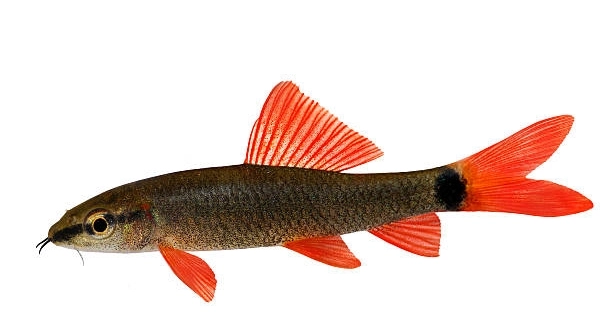
Is your rainbow shark acting strangely, darting around or swimming in odd patterns that leave you feeling a bit concerned? These behaviors can be unsettling, especially when you’re unsure of what’s causing them or how to respond.
Unusual swimming behavior in rainbow sharks is often linked to stress, poor water quality, inappropriate tank mates, or health issues. Addressing these factors promptly is essential for restoring your fish’s natural movement and overall well-being.
Understanding these potential causes can help you fix the problem quickly and keep your rainbow shark healthy, active, and stress-free in its environment.
Check the Water Conditions
One of the first things you should do when your rainbow shark starts swimming oddly is to test the water. Poor water quality can lead to stress, which affects their behavior. Ammonia, nitrite, and nitrate levels should be kept in check, and the pH should be stable, ideally between 6.5 and 7.5. Temperature also plays a big role—rainbow sharks thrive in water that’s between 75°F and 81°F. A sudden drop or rise can cause erratic swimming. If the tank hasn’t been cleaned in a while, waste buildup may be affecting oxygen levels. Perform a partial water change and clean the filter if needed. Be sure not to shock the fish with large changes. Using a reliable water testing kit regularly can help you prevent future problems. These fish are sensitive to even minor changes, so keeping a stable, clean environment is one of the best ways to support their health.
A poorly maintained tank often leads to stress and physical issues in rainbow sharks, making water conditions the first thing to evaluate.
Make a habit of testing the tank weekly. Even small imbalances in water chemistry can create a stressful environment for your fish, leading to changes in behavior like darting, rubbing against surfaces, or hiding more than usual.
Reconsider Tank Mates
Rainbow sharks are semi-aggressive and territorial, especially as they grow older. They can become stressed or agitated when kept with the wrong types of fish. Tank mates that nip fins, invade their space, or provoke them can cause swimming changes. This includes fish that are too small or too active.
Choose tank mates that are peaceful but fast enough to avoid unwanted aggression. Good options include barbs, larger tetras, or rainbowfish. Avoid slow-moving or bottom-dwelling species that might compete for space, such as other sharks or catfish. Also, never house more than one rainbow shark in the same tank unless it’s very large. Even then, fights can break out. Monitor interactions closely and separate fish if things don’t improve. Providing plenty of hiding spots, caves, and broken lines of sight in the tank helps reduce tension. Giving each fish its own space allows your rainbow shark to feel more secure and act more naturally.
Adjust Tank Size and Layout
A tank that’s too small or crowded can easily stress a rainbow shark. These fish need room to swim and space to claim as their own. A cramped tank often leads to unusual swimming and increased aggression.
Rainbow sharks need at least a 50-gallon tank, even when kept alone. Their active nature and territorial habits make small spaces frustrating for them. Without enough room, they may pace the glass, dart quickly, or act aggressively. Add caves, driftwood, and plants to create clear boundaries. These help your rainbow shark feel secure and reduce its need to patrol the entire tank constantly. Avoid sharp decorations that could injure them during quick movements. Open swimming areas combined with covered sections create a more natural, less stressful layout. Keep the tank clean and organized to maintain a consistent environment that supports stable behavior. A proper setup plays a big part in calming erratic actions.
Frequent layout changes can confuse or stress your rainbow shark. Try to keep the general design stable once the tank is set up. Moving decor too often can disrupt their claimed spaces and lead to defensive or erratic swimming. A well-planned, consistent setup helps your fish feel settled and act normally.
Look for Illness or Injury
Odd swimming can also signal that your rainbow shark isn’t feeling well. Health problems may not always be visible, but watch for signs like clamped fins, loss of color, or unusual spots. Breathing rapidly or spending too much time near the surface could also point to an issue.
Swim bladder disorder is one possible cause. It affects a fish’s ability to balance and swim properly. If your rainbow shark floats awkwardly, swims sideways, or sinks without control, this may be the issue. Feeding a high-quality diet and avoiding overfeeding can help prevent it. Parasites and infections may also lead to odd behavior. Look closely for tiny white spots, fuzzy patches, or reddened areas on the body. Quarantining new fish and plants before adding them to the main tank helps reduce the chance of disease. If your shark shows more than one troubling sign, it may be time to consult a vet who specializes in fish.
Reduce Stress from Lighting and Noise
Bright lights can make rainbow sharks feel exposed and anxious. Use soft or dim lighting and give them shaded areas using plants or decorations. A calm setup makes them feel safer and reduces sudden darting or frantic swimming.
Loud noises or sudden movements around the tank can startle your fish. Keep the tank in a quiet spot away from heavy foot traffic, TVs, or speakers. A more peaceful area helps prevent stress-related behaviors.
Maintain a Regular Feeding Schedule
Feeding your rainbow shark at consistent times each day helps lower stress and supports healthy behavior. Random feeding patterns or overfeeding can cause anxiety and lead to odd swimming. Stick to high-quality, sinking pellets or flakes made for bottom feeders. Remove uneaten food to avoid water contamination. If your fish seems sluggish or overactive right after meals, you may need to adjust portion sizes. Feeding smaller amounts twice a day is often more effective than one large meal. Consistency in diet and feeding times builds routine and helps your fish feel more secure in its environment, which directly affects how it behaves.
Watch for Maturity-Related Changes
As rainbow sharks mature, they often become more territorial and may show new patterns of behavior. This shift can lead to sudden aggression, guarding specific areas, or pacing. These changes are normal but should be managed to avoid stress or injury.
FAQ
Why is my rainbow shark swimming upside down?
Swimming upside down is often a sign of swim bladder disorder. This condition affects the fish’s balance, making it hard to swim normally. It can be caused by overfeeding, constipation, or infections. Feeding a varied diet with fiber, like peas, and maintaining good water quality helps prevent this issue. If the problem persists, consulting a fish vet is recommended.
What does it mean when my rainbow shark scratches against tank decorations?
Scratching or rubbing against objects can indicate irritation or parasites on the skin. It may also signal poor water quality causing discomfort. Check your water parameters immediately and look for visible signs of infection or parasites. Treating the water or using medication may be necessary depending on the cause.
Can overcrowding cause unusual swimming behavior?
Yes, overcrowding stresses rainbow sharks, as they are territorial fish. Too many tank mates limit their space and increase competition for resources, leading to erratic swimming or aggression. Ensuring the tank is spacious enough and not overcrowded helps maintain calm behavior.
Is my rainbow shark’s behavior affected by tank decorations?
Tank layout and decorations directly impact how comfortable a rainbow shark feels. Lack of hiding spots or territorial boundaries can cause stress and restless swimming. Adding caves, plants, and driftwood creates a natural environment that promotes healthy behavior and reduces aggression.
How often should I test my tank water?
Testing water weekly is ideal to catch changes before they stress your fish. Parameters like ammonia, nitrite, nitrate, pH, and temperature should remain stable. Frequent testing helps prevent health issues related to poor water quality.
What are common signs of illness in rainbow sharks?
Look for clamped fins, loss of color, rapid breathing, lethargy, or spots on the body. Changes in swimming, such as floating sideways or sinking, also indicate illness. Early detection and treatment improve recovery chances.
Can changing the tank location improve my fish’s behavior?
Moving the tank to a quieter, less trafficked area can reduce stress from noise and vibrations. A calm environment supports normal swimming patterns and reduces signs of fear or aggression.
Should I separate aggressive tank mates?
Separating aggressive fish is important to protect your rainbow shark. Stress from attacks can cause abnormal swimming and injury. Monitor interactions and isolate problematic fish if necessary to maintain harmony.
What is the best diet for a rainbow shark?
Rainbow sharks thrive on a balanced diet of high-quality sinking pellets supplemented with live or frozen foods like bloodworms and brine shrimp. Avoid overfeeding to prevent swim bladder issues and maintain water quality.
How can I tell if my rainbow shark is stressed?
Signs of stress include hiding excessively, rapid or erratic swimming, loss of appetite, and faded colors. Addressing environmental factors like water quality, tank size, and companions often relieves stress.
Can lighting affect my rainbow shark’s swimming behavior?
Yes, overly bright or constantly changing lighting can make your fish uneasy. Providing dim lighting with shaded areas helps them feel safe and swim naturally.
Is it normal for rainbow sharks to chase each other?
Some chasing is typical due to their territorial nature, especially as they mature. However, constant aggressive chasing can lead to stress or injury. Ensure enough space and hiding spots to reduce conflict.
How can I treat swim bladder disorder at home?
Feed peas or other fiber-rich foods to help digestion. Keep water clean and maintain proper temperature. Avoid overfeeding and give the fish rest. If symptoms continue, seek veterinary advice.
Why does my rainbow shark hide so much?
Hiding can be a sign of stress, illness, or poor water conditions. It may also indicate discomfort from aggressive tank mates or inadequate hiding places. Improving tank conditions often reduces hiding behavior.
What tank size is best for a rainbow shark?
A minimum of 50 gallons is recommended to provide enough swimming space and reduce territorial disputes. Larger tanks help maintain better water quality and allow for a balanced community of fish.
When your rainbow shark shows unusual swimming behavior, it’s important to act carefully and calmly. Many factors can cause these changes, including water quality, tank size, companions, and health issues. Taking the time to check each of these areas helps you find the right solution. Consistent care and attention often bring your fish back to its natural, relaxed swimming patterns. Keeping a stable environment is key to supporting your rainbow shark’s well-being.
Regular maintenance is a simple but effective way to prevent most problems. Testing water quality weekly and performing partial water changes keeps the tank safe and comfortable for your fish. Proper feeding habits and choosing the right tank mates also make a big difference. Rainbow sharks need space and a peaceful community to avoid stress and aggression. When they have enough room and a calm environment, their swimming behavior usually improves naturally.
If health issues appear, early detection is very important. Watching your fish closely helps catch signs like clamped fins, unusual swimming, or color changes before the condition worsens. In some cases, a swim bladder problem or infection may need treatment. Keeping your tank clean and feeding balanced food helps prevent many illnesses. When you address these needs carefully, your rainbow shark can stay active, healthy, and happy over the long term.

Hello,
If you enjoy the content that we create, please consider saying a "Thank You!" by leaving a tip.
Every little bit helps us continue crafting quality advice that supports the health, happiness, and well-being of pets around the world, for pets of all shapes, sizes, and species.
We really appreciate the kindness and support that you show us!