
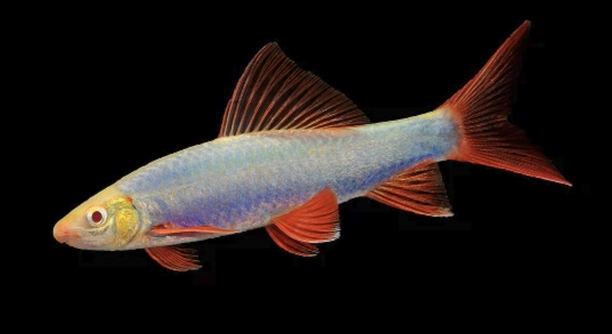
Rainbow sharks are popular freshwater fish known for their vibrant colors and active behavior. Many aquarium owners enjoy watching them swim, but there is more to their habits than meets the eye. Understanding their unique traits helps create a better environment for them.
Rainbow sharks display territorial behavior that helps reduce conflict in shared spaces. They are primarily nocturnal, becoming more active during low light. Their diet is omnivorous, with preferences that can vary depending on availability and habitat conditions.
Knowing these details about rainbow shark behavior will improve how you care for them. The insights ahead reveal important facts that every enthusiast should consider for a healthy aquarium.
Territorial Behavior in Rainbow Sharks
Rainbow sharks are known to establish territories in an aquarium. They often claim a specific area and defend it from other fish, especially those that look similar. This territorial instinct helps reduce fighting but can lead to stress if the tank is too small or overcrowded. Providing plenty of hiding spots with plants or decorations helps them feel secure. When space is limited, rainbow sharks may become aggressive, chasing other fish around. It’s important to monitor their behavior and adjust the tank setup as needed. Keeping a proper balance in the aquarium promotes peace and allows each fish to thrive. Knowing how much space your rainbow shark needs is key to preventing unnecessary stress or injury. Proper tank size and environment are vital for healthy behavior.
Rainbow sharks usually prefer to patrol the bottom and middle levels of the tank. They use their territory for feeding and resting.
Creating zones within the aquarium helps reduce conflict. Use rocks, plants, or driftwood to separate areas. Each rainbow shark can have its own space without constant competition. This setup minimizes aggression and makes the tank more peaceful overall. It also encourages natural behavior, which is better for their health. Spreading out food across different spots prevents fights during feeding times. A well-structured environment supports both the fish’s well-being and your enjoyment as an observer. Observing how they claim and defend these areas offers insight into their natural instincts.
Nocturnal Activity Patterns
Rainbow sharks tend to be more active during the night. They spend the daylight hours resting or hiding among plants and decorations. This nocturnal behavior means they may not be very visible during the day. It is a natural adaptation that helps them avoid predators in the wild. Tank lighting and feeding schedules should consider this pattern for better care.
Understanding their nighttime activity helps with tank management. Feeding them in the evening or low light encourages natural feeding behavior. They often become more social and visible during these times. Adjusting light cycles to mimic their natural environment improves their comfort. It also helps reduce stress, which can affect their health. Many owners notice that rainbow sharks are lively and curious after the tank lights dim. This behavior is normal and should be encouraged for a happy, healthy fish.
Omnivorous Diet and Feeding Habits
Rainbow sharks eat both plant and animal matter. They enjoy algae, small insects, and flakes. Their varied diet supports their health and energy levels.
Providing a balanced diet is essential. Including high-quality flakes, pellets, and occasional live or frozen foods keeps them strong. Algae wafers or blanched vegetables like zucchini or spinach add necessary fiber. Overfeeding can cause water issues, so feeding small amounts twice daily is best. Watching their eating habits helps spot any health problems early.
They can be picky eaters sometimes, favoring certain foods over others. Offering a variety encourages better nutrition. Feeding at consistent times also supports their routine. If they ignore food, check water conditions or stress factors. A healthy diet directly impacts their color and activity, making them more vibrant and lively in your aquarium.
Social Interaction and Compatibility
Rainbow sharks are semi-aggressive and prefer to live alone or with very peaceful tank mates. Too many similar fish in one tank can cause conflicts.
Carefully selecting tank companions helps maintain harmony. Avoid other bottom dwellers that resemble rainbow sharks or overly aggressive fish. Species that occupy different tank levels, like tetras or gouramis, usually coexist well. Providing enough space and hiding spots reduces territorial fights. Observation during introduction is important to ensure compatibility. If aggression occurs, separating fish or adjusting the tank may be necessary. Rainbow sharks benefit from a balanced community, where their behavior is respected and their needs met. This approach promotes a peaceful aquarium environment for all inhabitants.
Breeding Challenges
Breeding rainbow sharks in home aquariums is difficult. They require specific conditions and often show aggression during mating.
Spawning usually happens in large tanks with plenty of hiding spots. Males become territorial, which can stress females. This makes breeding a challenge for most hobbyists.
Lifespan and Growth
Rainbow sharks typically live for 5 to 8 years with proper care. They grow quickly and can reach up to 6 inches in length. Regular tank maintenance and a healthy diet contribute to their longevity. Monitoring water quality is essential to prevent disease and support steady growth. Providing enough space helps avoid stunted growth caused by overcrowding.
Stress Signs in Rainbow Sharks
Signs of stress include hiding excessively, loss of color, and reduced appetite. Addressing these signs early helps improve their well-being.
FAQ
How much space does a rainbow shark need?
Rainbow sharks need at least a 30-gallon tank to thrive comfortably. They require enough room to establish territories and swim freely. Overcrowding can lead to aggression and stress, so a larger tank with plenty of hiding spots is recommended for multiple fish.
What do rainbow sharks eat?
They are omnivores and eat flakes, pellets, algae wafers, and live or frozen foods like bloodworms or brine shrimp. Including blanched vegetables like zucchini or spinach improves their diet. Feeding small amounts twice daily keeps them healthy without polluting the water.
Are rainbow sharks aggressive?
Rainbow sharks show semi-aggressive behavior, especially when defending their territory. They can chase or nip other fish, mainly those with similar shapes or colors. Providing enough space and tank decorations to divide the aquarium helps reduce aggression.
Can rainbow sharks live with other fish?
Yes, but careful selection of tank mates is necessary. They do better with peaceful fish that occupy different tank levels, such as tetras or gouramis. Avoid keeping them with other bottom dwellers or overly aggressive species to prevent conflicts.
How do I know if my rainbow shark is stressed?
Common signs include hiding for long periods, loss of color, lack of appetite, or erratic swimming. Stress can result from poor water quality, overcrowding, or aggressive tank mates. Checking tank conditions and behavior regularly helps catch problems early.
How long do rainbow sharks live?
With good care, rainbow sharks live between 5 and 8 years. Proper diet, regular water changes, and a suitable environment extend their lifespan. Monitoring their health ensures they stay active and vibrant over time.
Is it possible to breed rainbow sharks at home?
Breeding rainbow sharks in home tanks is challenging. They require large tanks with hiding places and specific water conditions. Males become territorial during spawning, which can stress females. Most hobbyists find breeding difficult without special setups.
Why is my rainbow shark hiding all the time?
Excessive hiding often means stress or discomfort. It could be due to poor water quality, aggression from other fish, or an unsuitable tank setup. Ensuring clean water, proper space, and compatible tank mates helps reduce hiding behavior.
What tank setup do rainbow sharks prefer?
They prefer tanks with sandy or smooth gravel substrate and plenty of plants, rocks, and driftwood for hiding. Moderate lighting and stable water conditions support their natural behavior. Creating distinct zones in the tank helps them establish territories peacefully.
How often should I feed my rainbow shark?
Feeding twice a day in small amounts is ideal. Overfeeding can lead to water quality issues and health problems. Observing their appetite and adjusting portions accordingly ensures they get enough nutrition without waste.
Rainbow sharks are interesting fish with unique behaviors that make them stand out in freshwater aquariums. Understanding their natural instincts and needs helps create a better environment for them to live happily. They require enough space to establish territories and reduce stress. Providing a balanced diet that includes both plant and animal-based foods supports their health and vibrant colors. Their semi-aggressive nature means careful consideration is needed when selecting tank mates to maintain a peaceful aquarium. Observing their behavior regularly allows for timely adjustments to their care and environment.
Caring for rainbow sharks means paying attention to their activity patterns, especially their tendency to be more active during low light or nighttime. Setting up the tank with appropriate lighting and hiding spots helps them feel secure and comfortable. Regular water changes and maintaining clean tank conditions prevent many common health issues. They can live for several years with proper care, which requires consistent feeding routines and space management. Though breeding them in home aquariums is difficult, focusing on their daily needs and well-being ensures they thrive.
Overall, knowing these key facts about rainbow shark behavior supports a healthy and balanced aquarium environment. Meeting their specific needs minimizes stress and aggression, while promoting natural activity and growth. This approach benefits not only the fish but also the enjoyment of watching them. Providing a thoughtful habitat with proper diet, tank size, and compatible companions results in a stable and peaceful aquarium. Taking the time to understand and respect their behavior makes caring for rainbow sharks a rewarding experience.

Hello,
If you enjoy the content that we create, please consider saying a "Thank You!" by leaving a tip.
Every little bit helps us continue crafting quality advice that supports the health, happiness, and well-being of pets around the world, for pets of all shapes, sizes, and species.
We really appreciate the kindness and support that you show us!