
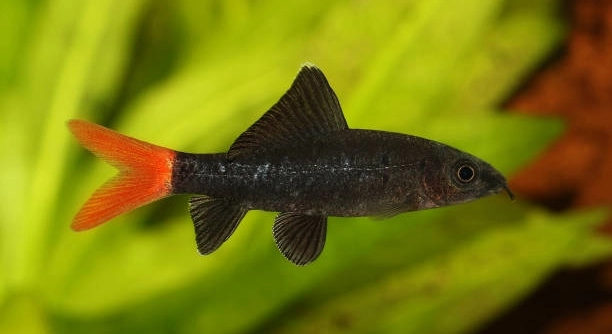
Is your rainbow shark acting strangely or hiding more than usual, leaving you unsure of what’s going on in the tank?
A rainbow shark may feel threatened due to territorial stress, incompatible tankmates, poor tank setup, or sudden environmental changes. Recognizing early signs can prevent aggression, injury, or long-term health issues in your fish.
Understanding these signs can help you create a more peaceful tank environment and support your rainbow shark’s comfort and well-being.
Sign 1: Constant Hiding and Avoidance
When a rainbow shark feels threatened, one of the first things it will do is hide often. This behavior can show up as staying behind rocks, plants, or in decorations for long periods. While rainbow sharks are known to be territorial and like having their own space, constant hiding is not typical. It may mean the fish feels unsafe or stressed. Possible causes include overcrowding, sudden changes in lighting, or aggressive tankmates. If your shark used to swim freely but now stays out of sight, it’s likely reacting to something in its environment. Observing when and where the shark hides can help you find the reason. Avoid moving tank decorations too often, and make sure the tank is large enough with enough hiding places. These changes can help your fish feel more secure.
Providing enough shelter can reduce the shark’s need to hide and ease its stress levels over time.
Try watching how the rainbow shark interacts with other fish after a water change or feeding. Noticing changes in swimming patterns or shifts in hiding behavior can give you helpful clues. If your shark darts away or freezes when other fish come close, that’s another signal of discomfort. Keep a log of its usual behavior to compare any changes.
Sign 2: Aggression Toward Tankmates
Some rainbow sharks become more aggressive when they feel threatened or stressed, especially in tanks that are too small or crowded.
Aggression may appear as chasing, nipping, or guarding specific areas of the tank. This behavior often targets smaller or slower fish, especially if they enter what the shark sees as its space. If the shark is constantly patrolling certain areas or flaring its fins when others pass by, it’s likely reacting out of fear or discomfort. Over time, this can lead to injury or high stress for the other fish in the tank. Rainbow sharks do better when they have plenty of room and aren’t kept with other bottom dwellers or similarly shaped species. Tank size, layout, and fish type matter a lot. Rearranging the tank slightly can break up territories and reduce tension. Making these small adjustments can improve the tank atmosphere and help your rainbow shark feel less on edge.
Sign 3: Loss of Appetite
A rainbow shark that feels unsafe may stop eating or show little interest during feeding time. This behavior usually starts suddenly and can last for several days if the cause of stress isn’t resolved quickly.
Food refusal is often overlooked, but it’s one of the clearest signs of stress in fish. If your rainbow shark used to come out quickly at feeding time but now avoids food or only eats a small amount, there may be something bothering it. This could include changes in water temperature, poor water quality, or aggressive tankmates. Observe if the shark comes out at all during feeding or just hides in its usual spot. If the behavior continues, check your tank’s water parameters and remove any sources of disturbance. Keeping a quiet, clean, and steady environment will usually bring their appetite back within a few days.
Sometimes it helps to feed at a quieter time or in a dimly lit room. A calm setting makes your rainbow shark feel safer, especially if it’s been spooked recently. Consider offering food closer to its hiding spot, using sinking pellets that settle nearby. This gentle approach can give the shark a chance to eat without needing to compete with faster or more aggressive fish in the tank.
Sign 4: Faded Coloration
When a rainbow shark feels threatened or unwell, its bright colors may fade noticeably. This is the fish’s natural stress response and can also be triggered by poor water conditions or bullying from other tankmates.
Color loss in a rainbow shark isn’t always permanent, but it usually means something is off. Start by checking for ammonia spikes or unstable water temperature. These are common stress triggers that can dull a shark’s vibrant appearance. Look at how your fish behaves throughout the day—if it’s both pale and avoiding others, the stress may be ongoing. Avoid quick tank changes or rough cleaning routines. Try not to overstock the tank, as space and calm surroundings help keep your rainbow shark healthy. If the faded color continues for more than a few days, consider separating aggressive tankmates or adjusting the lighting. These simple steps often help the fish recover its color and confidence.
Sign 5: Erratic Swimming
When a rainbow shark feels unsafe, it may start swimming quickly around the tank in short bursts or appear to dart randomly. This type of movement is often a response to sudden stress or a change in the tank environment.
It may also try to escape by swimming up and down against the glass, especially if the tank is too small or crowded. This behavior shows the shark is not comfortable in its space and may be trying to get away from a threat or stimulus.
Sign 6: Staying in One Spot for Too Long
A rainbow shark that remains in one spot for long periods—whether near the bottom or behind decorations—might be showing signs of unease. While these fish do enjoy resting in shaded areas, staying still for hours without exploring can mean something’s wrong. Watch to see if the shark ignores other fish or doesn’t react to food. This can signal that it doesn’t feel safe or healthy. Water quality, tank size, and aggressive fish are all things worth checking. If nothing changes in a few days, you may want to test for disease or closely examine its tankmates’ behavior.
Sign 7: Unusual Breathing Patterns
Heavy breathing or gasping near the surface may signal stress or low oxygen levels. If your rainbow shark breathes faster than usual or stays near the filter output, it could be reacting to poor tank conditions.
What should I do if my rainbow shark is hiding all the time?
If your rainbow shark is hiding frequently, start by checking the tank environment. Make sure the tank is large enough—at least 30 gallons for one shark—and includes plenty of hiding spots like plants or decorations. Overcrowding or aggressive tankmates often cause stress. Test the water for ammonia, nitrites, nitrates, and pH to ensure quality is stable. Try rearranging the tank layout to break established territories, which may reduce tension. Feeding at quieter times and near hiding spots can encourage your shark to come out. Patience is key, as it may take several days for your fish to feel safe again.
Why is my rainbow shark suddenly aggressive?
Aggression can arise from feeling threatened or stressed. Overcrowding is a common reason, as rainbow sharks like having their own space and may see other fish as competition. Incompatible tankmates or poor tank conditions can also increase aggression. Increase tank size if possible, or remove aggressive fish. Adding visual barriers helps limit line of sight between fish and reduces conflicts. Maintain good water quality and stable temperature, as stress from poor conditions makes aggression worse. If aggression continues, separate the rainbow shark temporarily until it calms down.
How do I improve my rainbow shark’s appetite?
Loss of appetite often signals stress or illness. Ensure water parameters are correct and stable. Try offering a variety of foods, such as sinking pellets, frozen bloodworms, or blanched vegetables, near the shark’s hiding spots. Feed smaller amounts more frequently to encourage eating. Avoid sudden changes to the tank environment or feeding routine. Keep the tank quiet during feeding times, as noise can scare shy fish. If the appetite doesn’t return after a week, consider consulting a vet or fish specialist.
Can poor water quality cause stress in rainbow sharks?
Absolutely. Poor water quality is a leading cause of stress in rainbow sharks. High ammonia, nitrite, or nitrate levels irritate the fish’s gills and skin, causing discomfort and illness. Sudden changes in pH or temperature also cause stress. Regular water testing and partial water changes help maintain a healthy environment. Avoid overfeeding, which increases waste. Using a good filtration system and cleaning the tank regularly are important steps to prevent water quality problems.
How can I tell if my rainbow shark is sick or just stressed?
Stress signs include hiding, fading colors, erratic swimming, or loss of appetite. Illness may show these signs plus physical symptoms like white spots, frayed fins, bloating, or labored breathing. If behavior changes persist more than a few days and physical symptoms appear, the fish may be sick. Quarantine the affected fish and check water quality immediately. Consulting a vet or experienced aquarist can help diagnose and treat diseases early.
What tankmates work well with rainbow sharks?
Rainbow sharks do best with peaceful, faster-swimming fish that occupy different tank levels, such as danios or tetras. Avoid other bottom dwellers or fish with similar shapes, as this can increase territorial fights. Large, aggressive species should also be avoided. Always research the temperament and size of fish before adding them to your tank. Providing plenty of space and hiding places helps reduce stress for all fish.
Does lighting affect a rainbow shark’s behavior?
Yes. Too bright or constant lighting can stress rainbow sharks. These fish prefer dimmer areas or places with shaded spots. Use adjustable lighting or floating plants to create shaded areas. Simulate a natural day-night cycle with about 8 to 10 hours of light daily. Avoid sudden changes in lighting, which can cause stress and lead to hiding or erratic swimming.
How often should I clean my rainbow shark’s tank?
Regular maintenance is important. A good routine is to change 20-30% of the water every week. Clean the substrate and remove uneaten food or debris. Avoid cleaning everything at once to preserve beneficial bacteria. Check and rinse filter media monthly, but do not use tap water directly on it—use tank water instead. Keeping the tank clean helps reduce stress and prevents illness in your rainbow shark.
Is it normal for rainbow sharks to be shy?
Rainbow sharks can be shy, especially when first introduced to a tank. They may hide often until they become familiar with their surroundings. Shyness may increase if tank conditions change suddenly or if there are aggressive tankmates. With time, a rainbow shark usually becomes more confident and explores more freely. Providing hiding places and a calm environment encourages this behavior.
What is the best diet for a healthy rainbow shark?
A balanced diet includes high-quality sinking pellets designed for omnivores, along with occasional treats like frozen or live foods (bloodworms, brine shrimp). Supplementing with vegetables such as blanched zucchini or spinach supports good health. Feeding once or twice daily in small amounts is ideal. Avoid overfeeding to maintain water quality and prevent obesity. A varied diet helps keep your rainbow shark active and colorful.
When caring for a rainbow shark, paying attention to its behavior is very important. These fish show clear signs when they feel threatened or stressed, and noticing these early can prevent bigger problems. From hiding too much to sudden aggression or loss of appetite, each change tells you something is not quite right. Being aware of these signs helps you act quickly to improve the fish’s environment and well-being. A calm and stable tank, with enough space and hiding places, goes a long way toward keeping your rainbow shark happy and healthy.
Maintaining good water quality and compatible tankmates is just as crucial. Poor water conditions cause stress, which can lead to illness or harmful behavior. Regular water tests and partial water changes keep the environment safe for your fish. Also, choosing peaceful tankmates that do not compete for the same space reduces conflict. Rainbow sharks need room to swim and clear territories to avoid feeling crowded or threatened. When your fish feels secure, you will see it swim confidently, show bright colors, and eat well.
Every rainbow shark is unique, and some may react differently to certain tank conditions. Observing your fish daily helps you understand its normal behavior and notice changes quickly. Small adjustments in lighting, tank layout, or feeding routines can make a big difference. Being patient and consistent with care allows your rainbow shark to settle and thrive over time. With the right environment and attention, you can enjoy watching this lively and beautiful fish live a healthy life in your aquarium.

Hello,
If you enjoy the content that we create, please consider saying a "Thank You!" by leaving a tip.
Every little bit helps us continue crafting quality advice that supports the health, happiness, and well-being of pets around the world, for pets of all shapes, sizes, and species.
We really appreciate the kindness and support that you show us!