
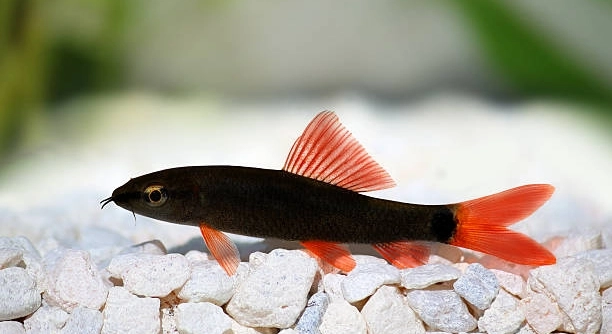
Rainbow sharks are popular freshwater fish known for their vibrant colors and active behavior. Many aquarium owners enjoy keeping them, but maintaining good water quality can be challenging. Proper care is essential to keep these fish healthy and thriving in home tanks.
Water quality issues in rainbow shark tanks often arise from poor filtration, overfeeding, and insufficient water changes. High levels of ammonia, nitrites, and nitrates can stress the fish and cause illness. Regular monitoring and maintenance are necessary to maintain a stable and healthy environment.
Addressing these common problems early can prevent serious health concerns. This article offers simple and effective solutions to improve your rainbow shark’s water quality.
Common Causes of Poor Water Quality
Many issues in rainbow shark tanks begin with simple mistakes. Overfeeding is a frequent problem that leads to excess food breaking down and polluting the water. Uneaten food increases ammonia levels, which are harmful to fish. Another common cause is inadequate filtration. Filters help remove waste and maintain water clarity, but when they are too small or not cleaned regularly, toxins build up quickly. Additionally, skipping regular water changes allows nitrates and other pollutants to rise, stressing the fish. Poorly maintained tanks can develop algae blooms and cloudy water, both signs of imbalance. Ensuring proper feeding, a good filtration system, and consistent water changes forms the foundation for healthy water. These steps reduce harmful substances and create a stable environment for rainbow sharks to swim comfortably and stay healthy.
Tank size and population density also impact water quality. Overcrowding increases waste production, making it harder to keep water clean and safe.
Maintaining an appropriate tank size is essential. A 30-gallon tank or larger is recommended for one rainbow shark, allowing enough space for swimming and proper dilution of waste. Avoid overcrowding by limiting the number of fish and other tank inhabitants. More fish means more waste, which strains filtration and water quality. Keeping the right balance between fish and tank size helps prevent common water problems. Regularly checking water parameters, including ammonia, nitrite, and nitrate levels, ensures conditions remain safe. Investing in a reliable water testing kit can make monitoring easier and guide timely maintenance actions to protect your rainbow shark’s health.
Effective Filtration Solutions
Proper filtration is critical to maintaining clean water. A good filter removes waste particles, toxins, and harmful chemicals, keeping the water clear and healthy for rainbow sharks. Filters vary in type, including mechanical, biological, and chemical filtration. Mechanical filters trap debris, biological filters support beneficial bacteria that break down toxins, and chemical filters remove impurities. Combining these types provides the best results. Choosing the right filter depends on tank size and fish load. Overfiltering slightly is better than underfiltering, as it promotes a cleaner environment. Routine filter maintenance is necessary to keep it functioning well, but avoid cleaning all filter media at once to preserve beneficial bacteria. Balanced filtration reduces stress on fish and prevents many water quality issues. Properly filtered water also limits algae growth and helps maintain stable oxygen levels, both important for rainbow sharks to thrive.
Regularly cleaning filter components and replacing media as needed ensures the filter performs optimally. Neglecting maintenance can cause buildup that reduces flow and effectiveness.
Regular Water Changes
Water changes help remove built-up toxins like nitrates and refresh essential minerals. Skipping water changes allows harmful substances to accumulate, which stresses rainbow sharks and can lead to illness.
Perform weekly water changes of about 20-30% to keep the tank environment stable. Use a siphon to clean the substrate while removing water. This prevents debris buildup that can degrade water quality. Always treat tap water with a water conditioner to remove chlorine and chloramine before adding it to the tank. Consistency is key. Sudden or large water changes can shock fish, so keeping changes moderate and regular ensures a healthier environment. Over time, this routine helps maintain clear water and balanced chemistry, which supports your rainbow shark’s health and reduces the chance of disease.
Avoid changing too much water at once, as this can disturb the beneficial bacteria. Monitoring water parameters helps decide when a water change is needed.
Proper Feeding Habits
Feeding your rainbow shark the right amount is crucial for water quality. Overfeeding results in uneaten food, which decomposes and pollutes the water. Feed small portions once or twice daily, only what the fish can consume within a few minutes. Excess food breaks down into ammonia, leading to toxic water conditions. Choose high-quality sinking pellets or wafers designed for bottom feeders to meet their nutritional needs.
Observe your rainbow shark during feeding to ensure it finishes the food quickly. Remove any leftover food promptly to prevent water contamination. Feeding less often but with balanced nutrition can reduce waste and keep your tank cleaner. Proper feeding supports both water quality and your fish’s overall health, promoting longer life and vibrant colors.
Monitoring Water Parameters
Regular testing of water parameters helps detect problems early. Ammonia, nitrite, and nitrate levels must stay within safe ranges for rainbow sharks to remain healthy.
Use reliable test kits to check these levels weekly. Keeping track allows prompt action if values rise, preventing stress or illness in your fish.
Controlling Algae Growth
Excess nutrients and light cause algae to grow rapidly. Algae reduce oxygen levels and make the tank look dirty.
Limit feeding, reduce light duration, and maintain water quality to control algae. Adding live plants can also help compete with algae for nutrients, keeping growth in check.
Using Beneficial Bacteria
Adding beneficial bacteria supplements helps break down harmful waste. These bacteria convert ammonia and nitrites into less toxic nitrates, improving water quality.
Products containing live bacteria speed up the cycling process and support a stable biological filter. Regular use can reduce maintenance needs and keep your rainbow shark’s environment safer.
Maintaining Tank Cleanliness
Removing debris and waste regularly keeps the tank healthy. Uneaten food and fish waste can build up quickly if not cleaned.
Use a gravel vacuum and clean decorations as needed to prevent pollutants from accumulating and harming water quality.
FAQ
Why is my rainbow shark’s water cloudy?
Cloudy water usually means a bacterial bloom or suspended particles. It often happens after setting up a new tank or after cleaning. Overfeeding and poor filtration can also cause cloudiness. To clear the water, reduce feeding, clean the filter if needed, and perform partial water changes. Avoid disturbing the tank too much, as this can worsen the problem.
How often should I test the water?
Testing water once a week is recommended. Regular checks help catch rising ammonia, nitrites, or nitrates early. If any levels are high, immediate action is necessary to protect your fish. Testing more often may be needed in new tanks or if you notice signs of stress in your rainbow shark.
What are safe water parameters for rainbow sharks?
Ideal water conditions include a temperature of 72–79°F (22–26°C), pH between 6.5 and 7.5, ammonia and nitrites at 0 ppm, and nitrates below 20 ppm. Maintaining these ranges ensures a stable and healthy environment. Fluctuations outside these limits can cause stress or illness.
Can I use tap water for my tank?
Tap water must always be treated with a water conditioner to remove chlorine and chloramine, which are harmful to fish. Untreated tap water can damage your rainbow shark’s gills and upset the tank’s biological balance. Always prepare the water before adding it to the aquarium.
How much should I feed my rainbow shark?
Feed only what your fish can eat within 2-3 minutes, once or twice a day. Overfeeding leads to excess waste and water pollution. Use sinking pellets or wafers designed for bottom feeders, as rainbow sharks spend most time near the tank floor.
Why is my rainbow shark gasping at the surface?
Gasping often indicates low oxygen levels or poor water quality. Check your filter and ensure good water circulation. Perform a partial water change to improve oxygen levels. High ammonia or nitrite levels can also cause this behavior and require immediate correction.
Is a 20-gallon tank enough for a rainbow shark?
A 20-gallon tank is generally too small for a rainbow shark, which needs at least 30 gallons to swim comfortably. Larger tanks dilute waste more effectively and reduce stress. Providing adequate space promotes healthier fish and easier water maintenance.
How do I prevent algae in my tank?
Control algae by limiting light to 8-10 hours daily, avoiding overfeeding, and keeping water clean. Live plants compete with algae for nutrients, helping control growth naturally. Regular water changes and cleaning decorations also reduce algae buildup.
What filter should I use for a rainbow shark tank?
Choose a filter rated for a tank slightly larger than yours to ensure sufficient flow and filtration. Canister filters and hang-on-back filters provide good mechanical, biological, and chemical filtration. Clean filter media regularly but preserve beneficial bacteria by avoiding over-cleaning.
How do I safely perform water changes?
Use a siphon to remove 20-30% of the tank water weekly. Clean the substrate gently to avoid disturbing beneficial bacteria. Always add treated water at the same temperature to prevent shocking your fish. Consistent water changes maintain stable water quality.
Can I keep other fish with rainbow sharks?
Rainbow sharks can be territorial, especially in smaller tanks. They generally do better with peaceful, similarly sized fish that occupy different tank levels. Avoid housing them with aggressive or slow-moving species. Providing plenty of hiding spots reduces conflict.
What signs show my rainbow shark is stressed?
Stress signs include hiding, loss of color, rapid breathing, or loss of appetite. Poor water quality is often the cause. Monitor water parameters, improve filtration, and maintain regular water changes to reduce stress and promote recovery.
Why is my rainbow shark not eating?
Loss of appetite can result from stress, poor water quality, illness, or unsuitable diet. Check water parameters and tank conditions first. Offer a variety of foods such as sinking pellets, vegetables, or live/frozen treats to encourage eating.
How long do rainbow sharks live?
With proper care, rainbow sharks can live 5-8 years or more. Good water quality, a balanced diet, and adequate tank size all contribute to a long, healthy life.
Can beneficial bacteria products replace water changes?
Beneficial bacteria help maintain water quality but do not replace the need for regular water changes. They support biological filtration by breaking down waste, but water changes remove dissolved pollutants and replenish minerals. Both practices work together for a healthy tank.
Final Thoughts
Maintaining good water quality is essential for keeping rainbow sharks healthy and active. These fish need a clean, stable environment to thrive. Simple steps like proper filtration, regular water changes, and careful feeding can prevent many common water problems. Consistent care helps avoid stress and disease, allowing rainbow sharks to display their bright colors and lively behavior. It is important to monitor water conditions regularly and act quickly when issues arise. By keeping the tank clean and balanced, you provide the best possible home for these unique fish.
Paying attention to the basics can make a big difference. Overfeeding and overcrowding are common mistakes that harm water quality and fish health. Feeding only what your fish can eat and maintaining an appropriate tank size are easy ways to reduce waste. A good filter and beneficial bacteria support natural waste breakdown, while regular water changes remove toxins that build up over time. Each part of tank maintenance plays a role in creating a safe habitat. When these practices are combined, the tank environment stays healthier and more stable for longer periods.
Rainbow sharks may seem simple to care for, but water quality is a crucial factor often overlooked. Taking time to understand and manage the water chemistry improves the overall well-being of the fish. Regular testing and adjustments keep conditions within safe limits. This helps prevent common problems like cloudy water, algae growth, or fish stress. Consistent efforts in maintaining the aquarium make it easier to enjoy the beauty and energy of rainbow sharks. With steady attention and care, these fish can live happily and healthily for many years.

Hello,
If you enjoy the content that we create, please consider saying a "Thank You!" by leaving a tip.
Every little bit helps us continue crafting quality advice that supports the health, happiness, and well-being of pets around the world, for pets of all shapes, sizes, and species.
We really appreciate the kindness and support that you show us!