
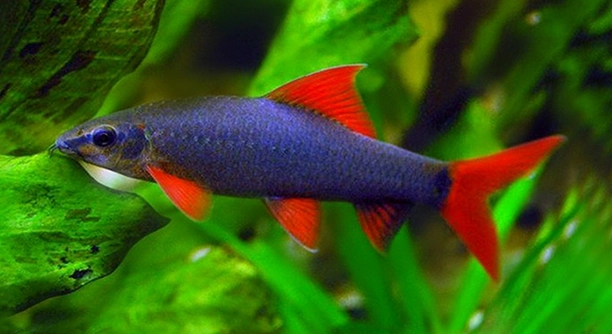
Acclimating your rainbow shark to new water is essential for its health and well-being. Proper adjustment reduces stress and helps the fish adapt to its new environment smoothly. This process requires careful steps to ensure success and avoid common problems.
The key to properly acclimating a rainbow shark involves gradual water mixing, stable temperature, and careful monitoring of water quality. Slowly introducing the fish to its new tank conditions minimizes shock and supports its long-term health and comfort in the aquarium.
Following these tips will help your rainbow shark settle in safely. Understanding the correct acclimation methods can prevent common issues and promote a healthy aquatic life.
Preparing the New Tank Environment
Setting up the new tank environment before introducing your rainbow shark is crucial. Make sure the water parameters, such as pH, temperature, and hardness, match the fish’s needs. A temperature around 74-79°F (23-26°C) and a pH between 6.5 and 7.5 are ideal. It is also important to cycle the tank properly to establish beneficial bacteria that help break down waste. Adding plants, hiding spots, and smooth decorations will make the fish feel secure. Testing the water quality regularly helps maintain a safe environment. Avoid sudden changes in water conditions, as these can stress your rainbow shark and cause health issues. Taking time to prepare the tank carefully will increase the chances of your fish adapting quickly and thriving.
Monitoring water quality and stability daily supports a healthy environment and reduces stress for your fish.
A well-prepared tank reduces the risk of shock and illness. Setting up the tank with stable parameters and appropriate décor creates a comfortable habitat. Testing water regularly ensures the environment remains safe. This foundation is essential for the fish’s successful acclimation and ongoing health.
Gradual Acclimation Process
Gradual acclimation allows your rainbow shark to adjust slowly to the new water conditions without stress.
Start by floating the sealed bag containing the fish on the tank surface for 15-20 minutes. This equalizes the water temperature. Next, open the bag and add a small amount of tank water to it every 10 minutes over the course of one hour. This step gradually mixes the water chemistry and reduces shock. Use a net to transfer the fish to the tank gently once the acclimation is complete. Avoid adding the water from the bag directly into the tank to prevent contamination. Observe the fish closely for signs of stress or illness during the first 24 hours. This careful approach supports the fish’s health and helps it settle into its new environment more easily.
Avoiding Common Acclimation Mistakes
Avoid rushing the acclimation process, as quick changes can stress your rainbow shark. Patience is essential to ensure a smooth transition.
Skipping the gradual mixing of water or transferring the fish too quickly can cause shock and weaken its immune system. Sudden changes in temperature or pH levels often result in illness. It’s also important not to overcrowd the tank during this period, as stress from other fish can affect acclimation. Make sure to remove any chemicals or treatments from the tank water before adding the new fish.
Ignoring signs of stress, like erratic swimming or hiding excessively, can lead to severe health problems. Monitoring behavior closely after transfer helps catch issues early. Keeping water clean and stable supports recovery and comfort.
Feeding During Acclimation
Feeding should be gentle and controlled when your rainbow shark is adjusting to new water. Provide small amounts to avoid water pollution.
Start feeding once the fish shows normal activity and interest in food, usually after 24 hours. Offer a varied diet, including sinking pellets, flakes, and occasional live or frozen foods like bloodworms. Avoid overfeeding, as uneaten food degrades water quality quickly. Feeding in small portions twice a day helps maintain good nutrition and reduces stress. Clean the tank regularly to prevent buildup of waste and bacteria. Proper feeding supports health and encourages your fish to settle in confidently.
Monitoring Water Parameters
Regularly check water temperature, pH, and ammonia levels during acclimation. Stability is key to preventing stress.
Use a reliable test kit daily to ensure conditions stay within safe ranges. Adjust as needed to keep the environment comfortable for your rainbow shark.
Handling Stress Signs
Watch for signs like lethargy, loss of appetite, or hiding. These may indicate stress or illness.
Early detection helps prevent serious health problems. If you notice these signs, test water quality and make adjustments immediately.
Quarantine New Fish
Quarantining new fish before adding them to the main tank helps prevent disease spread.
Keep the new fish in a separate tank for two weeks. Monitor their health closely and treat any issues before introducing them to the community.
FAQ
How long should I acclimate my rainbow shark to new water?
Acclimation should take at least one hour. Gradually mixing small amounts of tank water into the bag every 10 minutes helps the fish adjust without stress. Rushing this process can cause shock and health problems. Taking it slow gives the fish time to adapt to temperature and water chemistry changes safely.
Can I add my rainbow shark directly into the tank from the bag?
No, adding the fish directly without acclimation risks shock. The water in the bag differs in temperature and chemistry from the tank. Slowly mixing the water over time helps reduce the risk of stress and illness. Use a net to transfer the fish after acclimation is complete and avoid pouring bag water into the tank.
What water parameters are best for rainbow sharks?
Rainbow sharks thrive in water with a temperature between 74-79°F (23-26°C) and a pH of 6.5 to 7.5. They prefer moderately soft to slightly hard water. Maintaining these parameters consistently is important for their health. Sudden changes in temperature or pH can cause stress and make them vulnerable to disease.
How do I know if my rainbow shark is stressed during acclimation?
Look for signs like hiding excessively, erratic swimming, loss of appetite, or rapid gill movement. These behaviors often indicate stress or poor water conditions. If you see these signs, check water quality immediately and make necessary adjustments. Stress weakens the immune system, so acting quickly is essential.
Should I quarantine my new rainbow shark?
Yes, quarantining new fish for at least two weeks before introducing them to your main tank helps prevent the spread of disease. Keep the fish in a separate, properly maintained tank and observe its health. Treat any signs of illness before moving it to the community tank to protect all your fish.
What should I feed my rainbow shark during acclimation?
Feed small amounts of sinking pellets or flakes once the fish shows interest, usually after 24 hours. Offering a varied diet with occasional live or frozen foods like bloodworms supports health. Avoid overfeeding, as uneaten food can pollute the water and stress the fish.
Can rainbow sharks live with other fish during acclimation?
It’s best to minimize interaction during the first few days to reduce stress. Rainbow sharks can be territorial, so giving them space while they adjust helps them feel secure. Avoid overcrowding the tank, and ensure hiding spots are available for all fish.
What is the best way to introduce my rainbow shark to tank mates?
Introduce your rainbow shark after it has fully acclimated and is comfortable in the new environment. Observe interactions carefully to prevent aggression. Providing plenty of hiding spaces and maintaining stable water conditions reduces conflicts.
How often should I test the water during acclimation?
Test water daily for parameters such as ammonia, nitrite, nitrate, pH, and temperature. Keeping these stable helps reduce stress. Frequent testing allows you to spot problems early and take corrective action before the fish’s health is affected.
What if my rainbow shark shows signs of illness after acclimation?
If you notice symptoms like discoloration, lethargy, or abnormal swimming, test the water immediately. Poor water quality is often the cause. Perform partial water changes and treat the fish with appropriate medication if needed. Consulting a veterinarian or experienced aquarist can provide further guidance.
Properly acclimating your rainbow shark to new water is an important step that should not be rushed. Taking the time to prepare the tank environment and slowly introduce the fish helps reduce stress and supports its health. Following a careful process of gradual water mixing and monitoring water quality ensures the fish adjusts safely to its new home. Patience during this stage can prevent many common problems and promote a smoother transition.
Monitoring water parameters and the fish’s behavior throughout the acclimation period is essential. Changes in temperature, pH, or water quality can affect your rainbow shark’s health quickly. Watching for signs of stress or illness allows you to take action before issues worsen. Feeding the fish appropriately and providing a calm environment during acclimation also helps the fish settle comfortably. These small but important steps contribute to the long-term well-being of your rainbow shark.
In summary, the key to successful acclimation is preparation, patience, and attention to detail. Proper tank setup, gradual introduction, and close observation will give your rainbow shark the best chance to thrive. Acclimating fish carefully not only supports their health but also creates a more enjoyable and stable aquarium environment for you. Taking these steps ensures your rainbow shark will adjust well and become a healthy part of your aquatic community.

Hello,
If you enjoy the content that we create, please consider saying a "Thank You!" by leaving a tip.
Every little bit helps us continue crafting quality advice that supports the health, happiness, and well-being of pets around the world, for pets of all shapes, sizes, and species.
We really appreciate the kindness and support that you show us!