
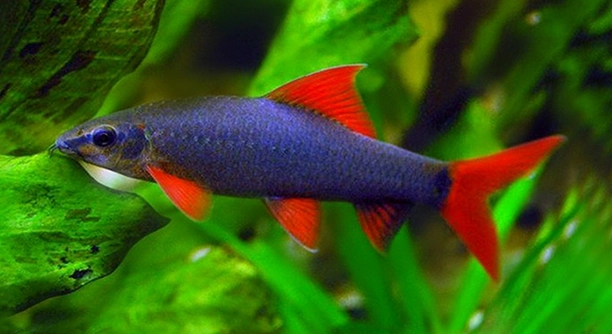
Rainbow sharks are popular aquarium fish known for their striking appearance and active behavior. However, their aggressive tendencies can sometimes cause problems in a community tank. Managing their aggression is important for maintaining a peaceful environment.
Rainbow shark aggression often stems from territorial instincts and limited space in the tank. Providing adequate hiding spots and ensuring the aquarium is large enough can reduce conflict. Regular monitoring and proper tank mates also help maintain harmony.
These tips will guide you in creating a balanced and calm environment for your rainbow sharks and other fish. Understanding their behavior is key to a successful aquarium.
Understanding Rainbow Shark Behavior
Rainbow sharks are naturally territorial, especially as they mature. They often patrol the same areas in the tank and can become aggressive toward fish that invade their space. This behavior is more noticeable in smaller tanks, where space is limited and hiding spots are few. The shark’s vibrant colors and swift movements can make their aggression more obvious. Aggression might also increase during feeding time or breeding periods, which adds stress to other fish. Recognizing these behaviors early can help prevent injuries and stress among tank mates. Observing your rainbow sharks daily allows you to spot signs of aggression like chasing or fin nipping. Creating a tank environment that mimics their natural habitat with plenty of plants and decorations can reduce territorial disputes. This understanding forms the foundation for managing their behavior and keeping peace in your aquarium.
Maintaining enough space and adding hiding spots can significantly lower aggression. It’s essential for harmony.
Offering your rainbow sharks enough room and shelter is crucial. Decorations like rocks, plants, and caves help fish avoid each other, reducing conflicts. Keeping the tank clean and stable supports calmer behavior. Adjusting lighting and feeding schedules also plays a role in minimizing stress. These efforts together create a healthier, more peaceful tank environment where your rainbow sharks can thrive alongside other fish.
Choosing Compatible Tank Mates
Selecting tank mates that can handle a rainbow shark’s temperament is key. Peaceful fish with similar size and activity levels tend to coexist better. Avoid small, slow-moving fish that may become targets for bullying. Fast-swimming species that occupy different tank levels reduce competition and aggression. Researching fish compatibility before adding new species helps prevent future problems. Introducing new fish gradually gives your rainbow shark time to adjust to changes. Keeping a balanced number of fish avoids overcrowding, which can increase stress and aggression. Proper tank mate selection supports a peaceful community tank and helps maintain the health of all fish involved.
Compatibility improves tank harmony and reduces aggressive incidents. Choose wisely.
Pairing rainbow sharks with bottom dwellers like plecos or larger, non-aggressive fish often works well. Fish that stay near the surface or swim in the middle tank levels avoid direct competition for territory. Monitoring interactions after introducing new tank mates ensures the group is stable. If aggression continues, separating fish or adjusting tank conditions might be necessary. Regular observation and care help maintain a balanced, healthy aquarium environment. This thoughtful approach ensures everyone shares the space peacefully.
Tank Size and Setup
A spacious tank reduces aggression by giving rainbow sharks enough room to establish their own territory. Crowded tanks increase stress and fighting.
A tank of at least 30 gallons is recommended for one rainbow shark, with larger tanks needed for multiple fish. Provide hiding places like rocks, caves, and plants. These help sharks retreat and reduce confrontations. Position decorations to create separate zones in the tank, which can minimize territorial overlap. Regular maintenance is important to keep water quality high, as poor conditions can increase aggression and stress. A well-planned tank setup supports a peaceful community.
Proper tank size and layout give your rainbow sharks space to coexist peacefully. This prevents overcrowding, which often triggers disputes. Ensure the environment mimics their natural habitat by adding soft lighting and areas for exploration. This reduces boredom and aggressive behavior, making the tank more enjoyable for everyone.
Feeding Strategies to Reduce Aggression
Feed rainbow sharks evenly and avoid overfeeding to prevent competition. Spread food throughout the tank.
Feeding smaller portions multiple times a day helps reduce aggression by keeping sharks busy and satisfied. Uneaten food should be removed to prevent water pollution, which stresses fish. Use sinking pellets or wafers that reach the bottom, where rainbow sharks often feed. Feeding at consistent times creates a routine, calming fish and reducing stress. Monitor feeding behavior and adjust portions if one shark dominates. Balanced nutrition supports health and reduces irritability. Consistent, fair feeding routines can lower conflicts and improve tank harmony.
Providing enough food without overcrowding prevents fights. Avoid letting any fish become aggressive over meals. Mixing the diet with occasional live or frozen foods can keep rainbow sharks engaged and less focused on territorial disputes. Observing feeding habits regularly helps catch issues early and keeps aggression in check. This strategy promotes a calm and healthy aquarium environment.
Monitoring Behavior Closely
Watch your rainbow sharks daily to catch early signs of aggression. Quick action can prevent injuries.
Take notes on how often aggression occurs and which fish are involved. This helps identify patterns and possible triggers. Adjust tank conditions or fish arrangements based on your observations to reduce conflicts.
Using Visual Barriers
Adding plants or decorations as visual barriers can break lines of sight between rainbow sharks. This lowers territorial disputes.
Visual barriers give fish places to hide and avoid each other. They help reduce stress and aggressive chasing by limiting direct confrontations.
Separating Aggressive Fish
If aggression persists despite changes, separating the most aggressive shark may be necessary. Use a divider or separate tank.
Separation gives stressed fish a chance to calm down. It also protects other fish from injury. This step can be temporary or permanent, depending on the shark’s behavior.
FAQ
Why is my rainbow shark so aggressive all of a sudden?
Sudden aggression can be caused by changes in the tank environment, such as new fish, altered decorations, or water quality issues. Stress from overcrowding or illness may also make your rainbow shark more territorial. Keeping the tank stable and monitoring water parameters helps reduce unexpected aggression.
How can I tell if my rainbow shark is stressed?
Signs of stress include hiding frequently, loss of color, rapid breathing, or erratic swimming. Aggressive chasing or damaged fins can also indicate stress. Regular observation helps catch these signs early and allows for adjustments in care or environment.
Can I keep multiple rainbow sharks together?
Yes, but they need a large tank (at least 55 gallons) with plenty of hiding spaces and visual barriers. Too many in a small tank leads to territorial fights. Careful monitoring and tank layout are essential to reduce aggression when housing multiple rainbow sharks.
What tank mates are best for rainbow sharks?
Choose peaceful, fast-swimming fish that occupy different tank levels, such as danios or barbs. Bottom dwellers like plecos can coexist well. Avoid slow or small fish, as they may become targets for aggression. Compatibility reduces stress for all fish involved.
How often should I feed my rainbow shark?
Feed smaller portions two to three times daily rather than one large meal. This keeps sharks satisfied and reduces competition. Use sinking pellets or wafers since rainbow sharks prefer bottom feeding. Remove leftover food to keep water clean and fish healthy.
Does tank size affect aggression?
Yes, tank size plays a major role. Smaller tanks limit territory and increase stress, causing more aggression. A minimum of 30 gallons is needed for one rainbow shark, with larger tanks required for multiple fish. More space reduces territorial disputes and promotes calm behavior.
How do hiding spots help reduce aggression?
Hiding spots provide safe zones where rainbow sharks can retreat when feeling threatened. This lowers stress and prevents constant chasing or fighting. Use plants, caves, and decorations to create multiple hiding areas. Breaking up open space reduces direct confrontations.
Can water quality influence aggression?
Poor water quality stresses fish and can lead to aggressive behavior. High ammonia, nitrite, or nitrate levels irritate fish and weaken their immune systems. Regular water testing and maintenance keep the environment healthy and minimize aggression caused by stress.
What should I do if aggression doesn’t improve?
If aggression continues despite changes, consider separating the aggressive shark using a tank divider or moving it to another tank. This protects other fish and gives the aggressive shark a chance to calm down. Sometimes permanent separation is necessary for tank peace.
Are there signs that indicate a fish is too stressed to stay in the tank?
Signs include constant hiding, weight loss, faded colors, and damaged fins. If a fish stops eating or becomes lethargic, it may be too stressed. In such cases, adjusting tank conditions or removing the fish temporarily may help improve its health and reduce tank tension.
Managing aggression in rainbow sharks takes patience and attention. These fish are naturally territorial, but many common issues can be controlled with proper care. Ensuring they have enough space, hiding spots, and compatible tank mates reduces most aggressive behaviors. A well-maintained tank with stable water conditions also supports calmer fish. Watching their behavior regularly helps identify problems early, allowing timely adjustments. Although aggression can be frustrating, understanding why it happens is the first step to a peaceful aquarium.
Creating a balanced environment requires careful planning. Providing a large enough tank is essential because cramped spaces increase stress and fighting. Decorations like plants, rocks, and caves give rainbow sharks places to retreat when they feel threatened. This helps break up their territory and lowers tension. Feeding them evenly and on a consistent schedule also reduces competition during meal times. Choosing the right tank mates—active, peaceful fish that swim at different levels—keeps interactions positive. These small changes together make a big difference in reducing conflicts.
If aggression continues despite your efforts, separating the most aggressive fish may be necessary to protect others. Using tank dividers or a separate tank can calm the environment. This step may be temporary or permanent, depending on the situation. Remember that every fish and tank is different, so some trial and error might be needed. Patience and observation are key to success. Taking these measures ensures a safer, healthier space for your rainbow sharks and their tank mates over time.

Hello,
If you enjoy the content that we create, please consider saying a "Thank You!" by leaving a tip.
Every little bit helps us continue crafting quality advice that supports the health, happiness, and well-being of pets around the world, for pets of all shapes, sizes, and species.
We really appreciate the kindness and support that you show us!