
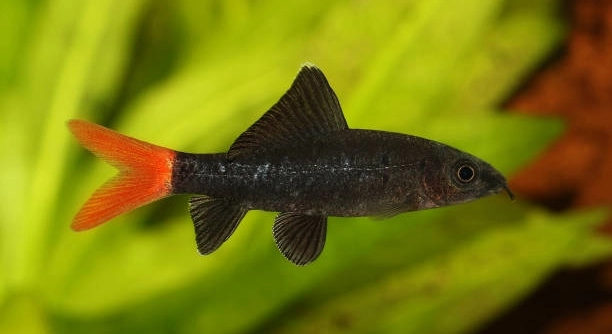
Rainbow sharks are popular aquarium fish known for their striking colors and active behavior. Adjusting them to new water conditions can be challenging but is essential for their health. Proper care during this transition helps prevent stress and illness.
Helping your rainbow shark adapt to new water conditions involves gradually changing the water parameters, maintaining stable temperature and pH levels, providing a calm environment, and monitoring the fish closely for signs of stress or discomfort. These steps support a smooth adjustment and promote overall well-being.
Knowing how to manage these changes carefully will improve your fish’s comfort and reduce risks. This article will guide you through effective methods to support your rainbow shark’s transition.
Gradual Water Changes Are Key
When introducing your rainbow shark to new water, avoid sudden changes. Sudden shifts in water chemistry can shock the fish and cause stress or illness. Instead, perform gradual water changes by mixing small amounts of the new water with the current tank water over several days. This allows the fish to slowly adjust to differences in pH, hardness, and temperature. Using a clean container for mixing and matching temperature closely helps prevent temperature shock. Keeping water quality stable is essential for rainbow sharks, as they are sensitive to rapid changes. Testing water parameters regularly during this process will help you monitor progress and ensure the environment remains safe. Patience is important; rushing the adjustment can lead to health problems. Gradual adaptation supports your fish’s natural ability to cope with changes, improving survival and comfort in its new setting.
Consistent monitoring during this period helps detect any issues early. Be attentive to your rainbow shark’s behavior and appearance.
By managing water changes carefully, you provide a smooth transition that supports the fish’s health and reduces stress-related risks.
Maintain Stable Temperature and pH
Maintaining stable temperature and pH is essential for your rainbow shark’s well-being. These fish thrive in water between 74°F and 79°F and prefer a pH between 6.5 and 7.5. Sudden fluctuations in temperature or pH can stress the fish, weakening its immune system.
To keep conditions steady, use a reliable heater with a thermostat and test water pH regularly. Avoid placing the tank near windows or air vents where temperature changes might occur. Consistency is key. Sudden changes can lead to illness, so aim for gradual adjustments if needed. Keeping the water clean by performing regular partial water changes also supports stable conditions. Taking these steps creates a comfortable and healthy environment where your rainbow shark can thrive. This care helps the fish stay active and display its vibrant colors beautifully.
Provide a Calm Environment
Minimize loud noises and sudden movements around the tank. Rainbow sharks are shy and easily stressed by activity outside their tank.
A calm environment helps your fish feel secure, reducing stress that can lead to illness. Avoid tapping on the glass or moving the tank frequently. Soft lighting mimics their natural habitat and helps keep them relaxed. If you have a lot of activity near the aquarium, consider placing it in a quieter area. Adding hiding spots like plants or decorations gives your rainbow shark places to retreat when feeling nervous. This lowers stress levels and encourages natural behavior, which is important during water adjustments.
Keeping the environment peaceful also helps your fish eat well and stay active. Stress can cause loss of appetite and weaken the immune system, so a calm setting supports overall health during changes.
Monitor Behavior and Health Closely
Observe your rainbow shark daily for signs of stress or illness. Watch for unusual swimming, loss of appetite, or changes in color.
Early detection of problems allows quick action. If your fish shows signs of distress, check water quality immediately. Poor water conditions often cause stress symptoms. Also, make sure the fish is eating regularly and not hiding excessively. Stress can weaken the immune system, making fish more vulnerable to disease. If any issues appear, consider adjusting water changes or consulting a specialist. Regular observation helps you keep your rainbow shark healthy and comfortable during transitions. This attention supports timely care and prevents small problems from becoming serious.
Use Proper Filtration
Good filtration keeps water clean and oxygen-rich. This reduces toxins and supports your rainbow shark’s health.
A filter that provides mechanical, biological, and chemical filtration is best. Regularly clean or replace filter media to maintain efficiency and prevent buildup that could harm water quality.
Avoid Overfeeding
Feed your rainbow shark small amounts once or twice daily. Overfeeding leads to poor water quality and health issues.
Uneaten food decomposes and raises harmful ammonia levels. Balanced feeding keeps water stable and fish healthy.
Introduce Plants and Decorations
Adding plants and decorations creates hiding spots and reduces stress. These elements mimic the natural environment.
Hiding places help rainbow sharks feel safe, especially during water changes or new conditions. This comfort improves their overall well-being.
FAQ
How long does it take for a rainbow shark to adjust to new water?
Adjustment time varies but usually takes about one to two weeks. Gradual changes in water conditions help reduce stress and support a smoother transition. Sudden shifts can cause shock and illness, so patience during this period is important. Monitoring your fish’s behavior helps you understand how well it is adapting.
What water parameters are best for rainbow sharks?
Rainbow sharks prefer a temperature range of 74°F to 79°F and a pH between 6.5 and 7.5. They also need moderate hardness, between 5 and 12 dGH. Keeping these stable supports health and vibrant colors. Sudden changes in these parameters can stress the fish.
Can I use tap water when changing my tank water?
Tap water can be used if properly treated. Always use a water conditioner to remove chlorine, chloramine, and heavy metals. Untreated tap water can harm your rainbow shark and disrupt beneficial bacteria in the tank. Testing water after treatment ensures it is safe.
How often should I change the water during adjustment?
Perform small water changes every two to three days during adjustment, replacing 10-20% of the tank water. This gradual approach prevents shock and keeps water quality high. Larger or less frequent changes can cause stress and harm the fish.
What signs show that my rainbow shark is stressed?
Signs of stress include hiding more than usual, loss of appetite, rapid gill movement, faded colors, and erratic swimming. Stress weakens the immune system, making fish vulnerable to disease. If you notice these signs, check water quality and environment immediately.
Is it okay to keep rainbow sharks with other fish during water changes?
Rainbow sharks can be territorial, especially in smaller tanks. During water changes, reducing stress on all fish is important. Avoid overcrowding and ensure plenty of hiding spots. Monitor behavior closely to prevent aggression or bullying.
Should I feed my rainbow shark during water adjustments?
Feeding should continue but in smaller amounts to avoid polluting the water. A healthy appetite is a good sign, but if the fish stops eating, it may be stressed. Offer high-quality foods like pellets or frozen bloodworms to support health.
How can I reduce stress during water changes?
Keep lighting soft and avoid loud noises near the tank. Provide hiding places like plants or decorations. Make water changes gradual and monitor temperature closely. Creating a stable, calm environment helps your rainbow shark adjust comfortably.
What equipment helps maintain good water conditions?
A reliable heater with a thermostat maintains temperature. A quality filter with biological, chemical, and mechanical filtration keeps water clean. A water testing kit allows regular checks of pH, ammonia, nitrites, and nitrates. Using these tools supports a healthy aquarium.
Can water additives help my rainbow shark adjust faster?
Some water additives can reduce stress and promote healing, but they should be used carefully. Products like stress coat or electrolytes can help during changes. Always follow instructions and avoid overuse, as too many chemicals can disrupt the tank balance.
What should I do if my rainbow shark gets sick during adjustment?
If sickness appears, isolate the fish if possible to prevent spreading disease. Test water parameters and correct any issues immediately. Consider consulting an aquatic veterinarian or specialist for appropriate treatment. Early action improves recovery chances.
How important is tank size for rainbow shark adjustment?
A larger tank reduces stress by giving your fish more space and stable water conditions. At least 30 gallons is recommended. Crowded tanks increase aggression and poor water quality, making adjustment harder.
Are live plants better than artificial for stress reduction?
Live plants improve water quality by absorbing nitrates and offer natural hiding spots. They help create a balanced ecosystem, benefiting your rainbow shark. Artificial plants can provide hiding but don’t improve water chemistry.
Can changing water temperature too quickly be dangerous?
Yes, rapid temperature changes can cause shock, leading to illness or death. Always match new water temperature closely with the tank water during changes. Use a heater and thermometer for accuracy.
How do I know if my rainbow shark is comfortable in new water?
Comfort signs include regular swimming, bright colors, good appetite, and exploration of the tank. Calm behavior and use of hiding spots also indicate your fish is adjusting well. Regular monitoring helps confirm comfort.
When you help your rainbow shark adjust to new water conditions, patience and care are very important. Changing water slowly over several days allows your fish to get used to new parameters without stress. Sudden shifts in temperature, pH, or hardness can cause health problems and make your fish sick. By testing water regularly and making gradual changes, you create a safer environment for your rainbow shark to thrive. Keeping water clean and stable supports their immune system and helps maintain their bright colors and active behavior.
Creating a calm and comfortable environment also plays a big role in helping your rainbow shark adjust. Loud noises, sudden movements, and overcrowded tanks can cause stress, which weakens your fish’s health. Providing hiding places with plants or decorations gives your fish space to feel safe when it needs to retreat. Using a good filter and heater helps maintain steady water conditions, which reduces stress and prevents illness. Watching your rainbow shark closely for any changes in behavior or appearance allows you to catch problems early and take action before they become serious.
In summary, helping your rainbow shark adapt to new water conditions is about steady care and attention. Regular water testing, gradual changes, a peaceful tank environment, and proper feeding all support their well-being. Watching your fish closely and responding to their needs helps prevent stress and disease. With these steps, your rainbow shark will be more comfortable, healthier, and able to enjoy its home for a long time. Taking time to do things right makes a big difference in the life of your fish.

Hello,
If you enjoy the content that we create, please consider saying a "Thank You!" by leaving a tip.
Every little bit helps us continue crafting quality advice that supports the health, happiness, and well-being of pets around the world, for pets of all shapes, sizes, and species.
We really appreciate the kindness and support that you show us!