
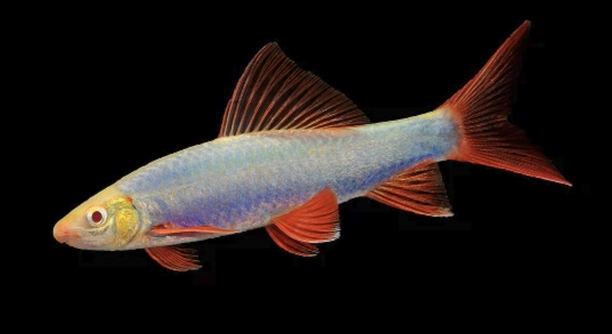
Is your rainbow shark’s tail looking frayed, torn, or oddly discolored lately, leaving you worried about their well-being and comfort?
Tail damage in rainbow sharks is often caused by stress, aggression, poor water quality, sharp tank decor, or underlying health conditions. Identifying the root cause early is essential to prevent further harm and support proper healing.
From tank setup to compatible tankmates, understanding the reasons behind tail damage can make a big difference in how you care for your rainbow shark.
Aggression From Tankmates
Rainbow sharks are territorial by nature, and they often don’t get along well with other bottom-dwelling or similarly shaped fish. If housed with aggressive or semi-aggressive tankmates, they may get into frequent fights. These conflicts can lead to torn tails, missing fin tips, and visible stress. Constant chasing, nipping, or cornering puts them at risk for physical injuries and infections. Sometimes, even peaceful fish can become aggressive if the tank is too small or lacks hiding spaces. Watching for signs of bullying—like sudden darting, hiding, or fraying fins—can help you figure out if aggression is the reason behind the tail damage.
Limit aggression by keeping rainbow sharks in spacious tanks with plenty of hiding spots. Choose tankmates wisely and avoid species that share similar body shapes or temperaments.
If aggression is ongoing, consider rehoming the aggressive fish or dividing the tank with a barrier. Rearranging decorations can also break up territories.
Poor Water Conditions
Dirty water and unstable tank parameters weaken your rainbow shark’s immune system. This makes it harder for tail injuries to heal and more likely for infections to develop.
Rainbow sharks thrive best in clean, well-filtered water with steady conditions. When ammonia, nitrite, or nitrate levels rise, or when pH and temperature shift too much, their bodies become stressed. This stress can cause fin rot or make existing damage worse. Over time, you might notice the tail becoming ragged or faded. Even small injuries can grow worse in these conditions. Regular testing, partial water changes, and proper filtration are key. A weekly cleaning schedule, including gravel vacuuming and checking filter flow, helps keep the water safe. If tail damage has already occurred, improving the water quality is the first step in supporting recovery and preventing future issues. Healthy water keeps your rainbow shark comfortable and reduces the chances of tail injuries or infections.
Sharp or Rough Tank Decorations
Sharp rocks, jagged ornaments, or rough-edged plastic plants can easily tear a rainbow shark’s delicate tail. Injuries often happen during quick swimming or when the fish tries to hide.
To prevent further harm, inspect all tank decorations closely. Run your fingers along edges to feel for anything rough. Replace sharp items with smoother, fish-safe options like rounded stones or silk plants. Even small tears can grow worse if the fish keeps brushing against rough surfaces. If you notice your rainbow shark hiding a lot or acting skittish, it may be bumping into harmful decorations. Rearranging the tank to create wider swim paths also helps reduce accidental scrapes. Gentle lighting can make them feel less nervous and reduce darting behavior. Keeping their environment calm and safe goes a long way in protecting their fins and tail from further damage.
Once the sharp objects are removed, healing can begin more easily. Keep an eye on the tail’s appearance, looking for signs of fraying or white edges, which can point to infection. If the damage seems minor, clean water and less stress may be enough to allow the tail to repair itself. However, if the injury worsens, you might need to consider antibacterial treatments or isolate the fish temporarily.
Fin Rot or Fungal Infections
Fin rot and fungal infections often affect rainbow sharks when their immune systems are weak. Tail edges may look white, torn, or even blackened depending on the infection type.
If you notice the tail looks frayed with white fuzz or seems to be breaking down, infection could be the cause. Fin rot is bacterial and often spreads when the water quality is poor. Fungal infections, on the other hand, usually appear as white, cotton-like growths. Both types can lead to serious tail damage if not treated early. The best approach is to test the water first and do a partial change. If the damage continues, use antibacterial or antifungal treatments specifically designed for aquarium use. Isolating the infected fish can also prevent the spread of illness. Keeping the tank clean and stress-free helps support healing and reduces the risk of repeat infections.
Stress From Overcrowding
Too many fish in the tank can overwhelm a rainbow shark. It causes constant stress, limits space, and increases the chance of fights or injuries. Stress weakens the immune system, making tail damage more likely and harder to heal.
A crowded tank also leads to quicker waste buildup and unstable water conditions. This creates a harmful environment where infections can thrive, especially on torn fins or tails.
Nutritional Deficiency
A poor diet can affect fin health and slow healing. If a rainbow shark isn’t getting enough essential nutrients—like protein, vitamins, and minerals—its tail may become weak or discolored. Feeding high-quality pellets or flakes, along with occasional treats like bloodworms or blanched vegetables, helps support stronger, healthier fins.
Genetics or Natural Tail Shape
Some rainbow sharks have naturally uneven or slightly frayed-looking tails due to genetics. If there’s no sign of injury, illness, or stress, and the fish is active and eating well, this could just be part of their normal appearance.
FAQ
How can I tell if my rainbow shark’s tail damage is healing or getting worse?
Healing tails usually look less ragged over time, with new fin tissue slowly growing in. The edges will appear smoother and less torn. If the tail looks more frayed, has white or red areas, or the damage spreads, it means infection or continued injury. Monitor daily and keep water clean to support recovery.
What are the best water parameters for a healthy rainbow shark tail?
Rainbow sharks do well in water with a temperature between 74-80°F (23-27°C), pH of 6.5-7.5, and low ammonia, nitrite, and nitrate levels. Stable, clean water reduces stress and prevents infections that cause tail damage. Frequent testing and regular water changes are essential.
Can I use medications to fix tail damage?
Medications help when tail damage is caused by infections like fin rot or fungus. Use antibacterial or antifungal treatments as directed, preferably those safe for sensitive fish. Avoid overdosing and always remove activated carbon from filters during treatment. Good water conditions should accompany any medication.
Is it safe to keep rainbow sharks with other fish to prevent tail damage?
Yes, but choose tankmates carefully. Avoid other bottom-dwellers or aggressive species that might compete or bully your rainbow shark. Peaceful, mid-to-top level swimmers work best. Also, ensure the tank is large enough to reduce territorial disputes.
How long does it take for a damaged tail to fully heal?
Healing times vary depending on damage severity, water quality, and stress levels. Minor tears can heal in a few weeks, while severe damage may take several months. Consistent care and avoiding further injury speed up recovery.
Should I isolate my rainbow shark if its tail is damaged?
Isolation is useful if the tail damage is severe or caused by bullying. A quarantine tank helps protect the injured fish from further attacks and allows easier treatment. However, isolation can also stress the fish, so provide hiding places and monitor behavior closely.
Can diet improve tail health in rainbow sharks?
Absolutely. A balanced diet rich in protein, vitamins, and minerals supports fin growth and healing. High-quality pellets formulated for carnivorous fish, along with occasional live or frozen foods like bloodworms, keep them healthy. Avoid overfeeding, which can harm water quality.
What are common signs of fin rot to watch for?
Look for ragged, discolored tail edges, often with white or red patches. The tail may seem to “melt” or fray progressively. Fish might also scratch against objects due to irritation. Early detection and treatment are crucial to stop fin rot from worsening.
Can rough swimming behavior cause tail damage?
Yes, rapid darting or frequent hiding can cause a rainbow shark to scrape against decorations or tank walls, tearing its tail. Providing a calm environment with smooth decorations and avoiding sudden movements around the tank helps reduce this risk.
Is it normal for rainbow sharks to lose some tail fin naturally?
Some slight wear or uneven edges can be normal, especially in active fish or those with certain genetics. But major tears or ragged fins usually indicate a problem. Keep an eye on overall health and environment to ensure tail issues don’t develop.
Taking care of a rainbow shark’s tail means paying attention to several important factors. Tail damage is often caused by avoidable issues like aggression, poor water quality, or sharp tank decorations. Understanding these causes helps you create a safer, healthier environment for your fish. Small changes, such as choosing calm tankmates, maintaining clean water, and using smooth decorations, can make a big difference in preventing tail injuries. When the tank conditions are right, the rainbow shark is more comfortable and less likely to get stressed or hurt.
When damage does occur, it’s important to act quickly. Minor tears or frays may heal on their own if the fish is kept in good water and not exposed to further stress. However, if the tail looks worse, shows signs of infection, or the fish behaves unusually, treatment might be necessary. Using the correct medications and isolating the fish in a quiet space can help recovery. Along with treatment, supporting your rainbow shark’s health through a balanced diet will encourage faster healing and stronger fins.
Remember that every fish is different, and some may have natural tail shapes or slight imperfections without health problems. Still, monitoring your rainbow shark regularly is the best way to catch issues early. Keeping the tank clean, managing stress, and providing good nutrition all work together to keep your fish happy and healthy. With proper care, your rainbow shark’s tail can stay in good condition, making it a beautiful and active part of your aquarium.

Hello,
If you enjoy the content that we create, please consider saying a "Thank You!" by leaving a tip.
Every little bit helps us continue crafting quality advice that supports the health, happiness, and well-being of pets around the world, for pets of all shapes, sizes, and species.
We really appreciate the kindness and support that you show us!