
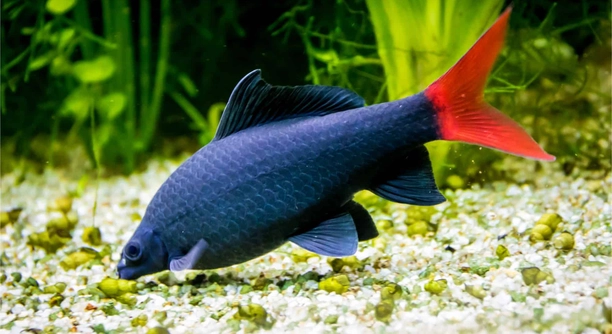
Are your rainbow sharks showing signs of stress, like hiding more often or chasing tank mates aggressively? Stress in aquarium fish is common and often tied to their environment, especially in semi-aggressive species like the rainbow shark.
The best way to reduce rainbow shark tank stress is by optimizing their habitat—ensuring proper tank size, maintaining consistent water conditions, and minimizing tankmate conflict. A stable environment plays the most crucial role in their overall health and behavior.
Creating a calm and balanced tank setup takes time, but small changes can lead to noticeable improvements. Here’s what you need to know to help your rainbow shark feel at home.
Give Your Rainbow Shark Enough Space
Rainbow sharks are territorial fish that need space to swim and establish boundaries. A small tank often leads to stress, aggression, and health problems. For a single rainbow shark, a minimum tank size of 55 gallons is recommended. This allows them to move freely without constantly running into other fish or their own reflection. Decorations like rocks, plants, and caves can help define territory and reduce stress by offering hiding places. Avoid overcrowding the tank, as this will increase competition and tension. A roomy tank with clear zones encourages natural behavior and keeps your fish calm.
Rainbow sharks become anxious when they feel cramped. Giving them a large enough space supports healthier behavior and reduces the risk of fights with other fish.
If you’ve noticed your rainbow shark chasing others or acting restless, check your tank size first. Many keepers start with smaller tanks and upgrade later, but waiting too long can lead to long-term stress. If your fish has already grown into its adult size, moving it to a larger tank as soon as possible will help prevent aggression. Also, make sure the tank has a tight-fitting lid—rainbow sharks are known to jump when they feel unsafe or stressed.
Keep Water Conditions Consistent
Even small changes in water quality can affect your rainbow shark’s mood and health. They prefer clean, well-oxygenated water with stable parameters.
Ammonia and nitrite levels should always stay at zero. Nitrate should be kept below 20 ppm. Use a reliable water test kit to monitor these values weekly. Maintain a temperature between 75°F and 81°F and a pH range of 6.5 to 7.5. Large swings in any of these numbers can stress your fish, making them more prone to illness and aggressive behavior. Always perform regular water changes—about 25% weekly—to keep the environment stable. Use a dechlorinator when adding tap water and avoid cleaning the entire filter at once to preserve beneficial bacteria. If you notice your shark hiding more than usual or breathing heavily at the surface, check the water immediately. Adding an air stone or increasing filtration can also help if oxygen is low. Stable, clean water supports both physical health and calm behavior.
Choose Tank Mates Carefully
Rainbow sharks do not do well with timid or slow-moving fish. They prefer living with other semi-aggressive fish that can hold their own without starting fights.
Avoid housing rainbow sharks with bottom-dwellers like corydoras or loaches, as they will compete for space. Instead, look for mid to top-level swimmers such as barbs, danios, or gouramis. These species are fast enough to avoid aggression and don’t interfere with the rainbow shark’s territory. Only keep one rainbow shark per tank unless the tank is extremely large. Multiple sharks will often fight, even if raised together. Always monitor behavior after adding new tank mates and be ready to separate them if needed. Providing lots of visual barriers and plants can also reduce tension. A peaceful tank setup depends just as much on who you put in the tank as it does on the size and layout.
Picking the wrong tank mates can lead to injuries and constant stress. If you notice torn fins or one fish hiding for long periods, that’s a sign the pairing isn’t working. Even if two species are compatible on paper, every fish has a unique personality. Watch their behavior closely in the first few days after introducing new tank mates. If needed, rearranging decorations can help reset territory lines and ease aggression. When fish feel they have their own space, they are much more likely to coexist peacefully.
Provide Hiding Spots and Shelter
Rainbow sharks feel safer when they have places to hide. Lack of shelter can make them nervous, which leads to erratic swimming and aggression.
Use driftwood, rock caves, or thick plants to create private spots. Try to spread these throughout the tank so your rainbow shark and other fish can claim different areas. Avoid using decorations with sharp edges that might injure your fish when they dart inside. Shelters help your fish establish a safe home base, which lowers anxiety. Make sure there’s more than one hiding place to avoid competition. A tank that feels safe encourages calm, predictable behavior.
Adding shelter helps reduce stress, especially during times of change like water maintenance or the introduction of new tank mates. It also supports their natural instincts. In the wild, rainbow sharks rest in shady or covered areas and come out to explore when they feel safe. You’ll notice a difference in behavior when your fish knows it can retreat. It may seem like your shark is hiding more often, but in reality, this is a good sign—it means the environment feels safe enough to relax. Creating shelter is one of the simplest ways to build a peaceful tank environment.
Feed Them a Balanced Diet
Poor nutrition can lead to sluggish behavior and stress. Feed your rainbow shark a mix of sinking pellets, algae wafers, and occasional protein sources like bloodworms or brine shrimp.
Feeding once or twice a day in small amounts is best. Overfeeding can dirty the water and raise stress levels.
Reduce Loud Noises and Sudden Movements
Rainbow sharks are sensitive to vibrations and quick changes in their surroundings. Placing the tank in a low-traffic, quiet area helps keep their stress low. Avoid tapping the glass or making sudden movements near the tank, especially during feeding or cleaning.
Use Soft Lighting
Harsh lights can make rainbow sharks feel exposed. Using a dimmer setting or adding floating plants for shade creates a calmer environment. Soft lighting encourages natural behavior and helps prevent stress, especially during the evening hours when the tank should start to wind down.
FAQ
Why is my rainbow shark always hiding?
Rainbow sharks hide when they feel unsafe or stressed. This can be caused by poor water conditions, lack of shelter, or incompatible tank mates. Make sure the tank is large enough and includes plenty of hiding spots. Also, check water parameters and keep lighting soft. If your shark is new to the tank, hiding is normal for the first few days or weeks. It’s part of how they adjust to their new environment. Once they feel secure, they’ll begin to explore more often, especially during feeding times or low-light periods.
Can rainbow sharks live with other rainbow sharks?
In most cases, no. Rainbow sharks are highly territorial, especially with others of their kind. Keeping more than one in the same tank often leads to serious aggression, even in large aquariums. They will chase, nip, and stress each other constantly. If you want to try keeping more than one, the tank needs to be very large—over 100 gallons—and have many hiding places and broken lines of sight. Even then, there’s still a high risk of fighting. For most people, it’s best to keep just one rainbow shark per tank.
Do rainbow sharks need a filter?
Yes, a good filter is essential. Rainbow sharks need clean, well-oxygenated water to stay healthy and calm. A strong filter helps remove waste, prevents ammonia buildup, and keeps the tank environment stable. Choose a filter that matches the tank size, and make sure the water flow is steady but not too strong. Clean the filter media as recommended, but avoid replacing all of it at once—this could remove beneficial bacteria that support the tank’s cycle. A reliable filter also helps prevent stress-related illnesses caused by poor water quality.
What size tank is best for a rainbow shark?
A single rainbow shark needs at least a 55-gallon tank. Smaller tanks lead to stress, aggression, and health problems. A larger tank gives them room to swim, explore, and claim territory. If the tank is too small, your shark may become aggressive or start pacing. Larger tanks also give you more flexibility when choosing compatible tank mates and creating zones with decorations or plants. It may seem like a lot of space for one fish, but rainbow sharks are active swimmers and feel better when they have room to move freely.
Why is my rainbow shark chasing other fish?
Chasing is usually a sign of territorial behavior. Rainbow sharks are known to guard their space, especially near the bottom of the tank. If other fish get too close, your shark may see them as a threat. This behavior is more common in smaller tanks or tanks without clear zones. Rearranging decorations, adding more hiding spots, or giving your shark more space can help reduce chasing. Also, make sure you’re not housing them with slow or passive fish that can’t avoid confrontation. Active, fast-moving species tend to do better with rainbow sharks.
Do rainbow sharks sleep?
Yes, rainbow sharks rest, usually at night when the lights are off. You may notice them lying still near the bottom of the tank or tucked inside a cave or shelter. This is normal and not a sign of illness. Try to keep a consistent day-night lighting cycle—about 10 to 12 hours of light per day—to support their natural rhythms. Avoid turning the tank lights on or off suddenly. Gradual transitions or using ambient room light first can make them feel more at ease. Rest is important for their overall health and behavior.
What should I do if my rainbow shark looks sick?
First, check the water parameters—poor water quality is a common cause of illness. Make sure ammonia and nitrite are at zero and nitrate is under 20 ppm. Look for symptoms like faded color, clamped fins, spots, or heavy breathing. Quarantine the shark if needed, especially if you suspect a contagious illness. Avoid adding medications unless you know what you’re treating. Improving water conditions, adding aquarium salt (if appropriate), and reducing stress often help the fish recover. If symptoms don’t improve, seek guidance from an experienced aquarist or a vet who specializes in fish.
Final Thoughts
Caring for a rainbow shark takes planning and attention to detail. These fish are active, territorial, and sensitive to their environment. They need space, clean water, proper tank mates, and a calm setting to stay healthy and stress-free. When one part of their care is off, it can affect their behavior and well-being. Many issues that come up with rainbow sharks—such as hiding, chasing, or poor appetite—are often linked to stress caused by the tank setup. Paying attention to their needs early on helps avoid future problems.
Even small changes can make a big difference in your rainbow shark’s behavior. Adding more hiding spots, lowering noise around the tank, or simply giving them more space can help your fish feel safer. Try to observe your shark’s routine and body language over time. If they act differently, it’s usually a sign that something needs to be adjusted. A calm, steady environment is the best way to support their health. Like many aquarium fish, rainbow sharks rely on their surroundings to feel secure. Keeping things consistent—like feeding times, water conditions, and lighting—goes a long way.
Taking care of a rainbow shark isn’t always simple, but it can be rewarding. Once you understand what they need, it becomes easier to prevent stress and create a balanced tank. These fish are full of personality and can be fun to watch when they’re relaxed and active. If you stay patient and make small changes when needed, you’ll see positive results. A peaceful rainbow shark is not just a sign of a well-kept tank—it also means you’ve created a space where your fish can thrive. Keep learning, stay observant, and adjust when necessary. That’s the best way to keep your rainbow shark happy and healthy.

Hello,
If you enjoy the content that we create, please consider saying a "Thank You!" by leaving a tip.
Every little bit helps us continue crafting quality advice that supports the health, happiness, and well-being of pets around the world, for pets of all shapes, sizes, and species.
We really appreciate the kindness and support that you show us!