
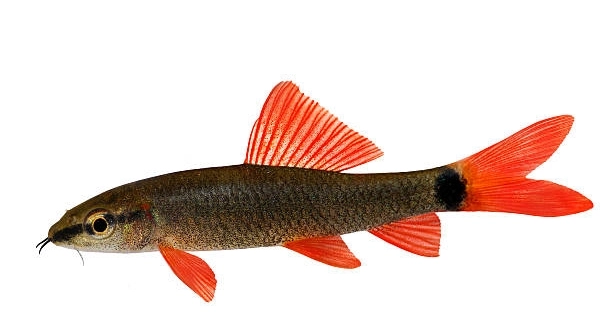
Rainbow sharks are popular aquarium fish known for their striking colors and active nature. Many people enjoy keeping them, but there are some common ideas about these fish that are not quite right. Knowing the facts helps make better choices for their care.
Rainbow sharks are peaceful fish but can show territorial behavior, especially in small tanks or when crowded. They need enough space and hiding spots to reduce stress and avoid unnecessary aggression. Proper care balances their active nature with tank mates.
Understanding these common misunderstandings will help you create a healthier environment for your rainbow sharks. Clear information supports better decisions and happier fish in your aquarium.
Rainbow Sharks Are Always Aggressive
Many people believe rainbow sharks are aggressive all the time, but this isn’t true. Their behavior depends on the tank setup and environment. In small tanks or overcrowded spaces, rainbow sharks can become territorial and may chase other fish. However, in a properly sized tank with enough hiding spots and compatible tank mates, they usually stay calm and peaceful. They might show brief aggression when establishing territory but do not constantly attack other fish. Providing a balanced diet and a comfortable habitat helps reduce stress and aggression. It’s important to know their needs and tank requirements before deciding to keep rainbow sharks.
Rainbow sharks usually display aggression only when feeling threatened or confined. Proper tank management prevents most behavioral problems.
Knowing when rainbow sharks are likely to act aggressively helps in managing them better. Setting up a spacious tank and choosing compatible companions reduces conflicts and keeps the fish healthy. This way, you can enjoy their vibrant colors without constant worry about fights. Understanding their behavior improves your care routine and creates a more peaceful aquarium environment.
Rainbow Sharks Can Live in Small Tanks
Many assume rainbow sharks can thrive in small tanks because of their size. While they are relatively small fish, they are active swimmers and need room to move freely. Keeping them in tanks smaller than 30 gallons can cause stress and lead to aggressive behavior. Small tanks limit their ability to explore and establish territory properly. Additionally, poor water quality from overcrowding affects their health. A larger tank provides better water conditions and space to reduce stress. Adding plants and hiding places also supports their well-being by giving them places to rest and feel safe.
Smaller tanks increase the risk of health and behavior problems in rainbow sharks.
A tank of at least 30 gallons is recommended for one rainbow shark to ensure enough space and good water quality. For multiple rainbow sharks or mixed communities, a larger tank is necessary. A spacious environment allows these fish to show natural behaviors and reduces stress that can cause illness or aggression. Proper filtration and regular maintenance keep the water clean, which is essential for their health. Remember, adequate space is key to enjoying the bright colors and lively nature of rainbow sharks in your aquarium.
Rainbow Sharks Are Bottom Dwellers
Rainbow sharks are not true bottom dwellers. They often swim in the middle to lower parts of the tank but spend time exploring different levels. They prefer open swimming space and need room to move, rather than just staying near the substrate.
While they do rest near the bottom sometimes, they are active fish that swim throughout the aquarium. Their body shape and behavior show they are designed for swimming in open water rather than hiding in the substrate. Keeping them in tanks with lots of bottom decorations may limit their movement and cause stress.
Providing a mix of open swimming areas and hiding spots is ideal. This setup allows rainbow sharks to explore and feel safe without restricting their natural swimming habits. Understanding their activity level improves their well-being in your tank.
Rainbow Sharks Do Not Require Special Food
Rainbow sharks eat a variety of foods and don’t need special diets. They are omnivores and will accept flakes, pellets, frozen, and live foods. A balanced diet supports their vibrant colors and health.
Offering a mix of protein and plant-based foods is important for their nutrition. High-quality flakes or pellets designed for tropical fish can form the base of their diet. Supplementing with occasional treats like bloodworms or brine shrimp encourages natural feeding behavior. Fresh vegetables like blanched zucchini or spinach can be added to provide fiber and variety. Avoid overfeeding to prevent water quality problems and health issues.
Feeding rainbow sharks regularly but in moderate amounts keeps them healthy and active. A simple diet, combined with good tank care, supports their long-term well-being without requiring expensive or special foods.
Rainbow Sharks Can Change Color
Rainbow sharks do not change color based on mood or environment. Their color remains consistent throughout their life. However, poor water conditions or illness can cause their colors to fade.
Proper care and a healthy environment keep their colors bright and vibrant.
Rainbow Sharks Are Easy to Breed in Home Aquariums
Breeding rainbow sharks at home is quite difficult. They need specific conditions like a large tank, controlled temperature, and a suitable breeding environment. Males and females must be correctly identified, which can be challenging because they look very similar. Even with the right setup, they may not spawn easily.
Successful breeding usually happens in professional or specialized setups where conditions can be carefully controlled. For most hobbyists, keeping rainbow sharks as pets without breeding is more practical.
Rainbow Sharks Can Live with Any Fish
Rainbow sharks do best with peaceful, similar-sized fish. Aggressive or very small fish can cause problems.
FAQ
What tank size is best for rainbow sharks?
Rainbow sharks need at least a 30-gallon tank for one fish. They are active swimmers and require plenty of space to move around. A larger tank helps reduce stress and aggression. For multiple rainbow sharks or community tanks, a bigger aquarium is necessary to avoid overcrowding.
Are rainbow sharks aggressive toward other fish?
Rainbow sharks can show territorial behavior, especially in smaller tanks. They might chase other fish but usually only when they feel crowded or threatened. With enough space and hiding spots, they tend to be peaceful. Choosing compatible tank mates helps prevent conflicts.
How often should I feed my rainbow shark?
Feeding rainbow sharks once or twice a day is enough. Give them only what they can eat in a few minutes to avoid overfeeding. A varied diet with flakes, pellets, and occasional live or frozen food keeps them healthy.
Can rainbow sharks live with goldfish or other cold-water fish?
No, rainbow sharks are tropical fish and need warmer water, typically between 72-79°F (22-26°C). Goldfish and cold-water fish prefer cooler temperatures, so they are not compatible tank mates. Mixing these species can cause stress and health problems.
Why is my rainbow shark hiding all the time?
Hiding is normal if the fish feels stressed or threatened. Poor water quality, aggressive tank mates, or lack of hiding places can cause this behavior. Providing plants, caves, or decorations for shelter helps them feel secure.
How long do rainbow sharks live?
With proper care, rainbow sharks can live up to 5 to 8 years. Good water quality, proper diet, and a suitable tank environment contribute to their lifespan. Regular maintenance is important to keep them healthy.
Do rainbow sharks need a lot of filtration?
Yes, rainbow sharks produce waste like most fish, so a good filtration system is necessary. Proper filtration helps keep the water clean and oxygen-rich, reducing stress and disease risk. Regular water changes support a healthy tank.
Are rainbow sharks sensitive to water changes?
They can be, especially if changes are sudden. Gradual water changes of 20-25% weekly help maintain stable conditions. Avoid drastic shifts in temperature or water chemistry to prevent stress or illness.
Can rainbow sharks be kept alone?
Yes, they can live alone and may be less aggressive without other fish competing for space. However, they still need enough room and enrichment in the tank to stay active and healthy.
What signs show my rainbow shark is sick?
Signs include faded colors, lethargy, loss of appetite, clamped fins, or abnormal swimming. Early detection and treatment improve chances of recovery. Checking water quality and tank conditions often helps prevent illness.
Do rainbow sharks need a special diet to stay colorful?
No special diet is required, but a balanced mix of protein and plant-based foods supports their bright colors. High-quality flakes or pellets with occasional live or frozen foods help maintain vibrancy and health.
How can I tell if my rainbow shark is male or female?
It is hard to distinguish males from females because they look very similar. Sometimes males are slimmer and more brightly colored, but this is not always reliable. Experts often use behavior or breeding conditions to identify gender.
Are rainbow sharks good for beginners?
They can be kept by beginners willing to provide a proper tank and care. Understanding their space needs, diet, and behavior is important. Beginners should prepare for regular maintenance to keep the fish healthy.
What tank mates work well with rainbow sharks?
Peaceful fish of similar size, like tetras, barbs, or gouramis, usually do well. Avoid small, slow, or very aggressive fish to prevent stress or attacks. Providing enough space and hiding spots benefits all tank inhabitants.
Can rainbow sharks jump out of the tank?
Yes, they can jump if startled or if water conditions are poor. A secure lid or cover is recommended to keep them safely inside the tank.
These common questions cover the basics of rainbow shark care. Keeping them well requires attention to their environment, diet, and social needs. With proper care, rainbow sharks can be a colorful and lively addition to your aquarium for many years.
Rainbow sharks are fascinating fish that add bright colors and activity to an aquarium. They are often misunderstood because of some common ideas about their behavior and needs. Knowing the facts about rainbow sharks helps to care for them properly and enjoy their unique qualities. Taking time to learn about their space requirements, diet, and social habits makes a big difference in their health and happiness.
Proper tank size is very important for rainbow sharks. They need enough room to swim and explore, which helps reduce stress and aggression. Small tanks can cause them to act more aggressively or hide too much. Providing hiding spots and decorations creates a balanced environment where rainbow sharks feel safe but can still move freely. Paying attention to water quality and keeping the tank clean also supports their well-being. Good care practices will help rainbow sharks live longer and stay more colorful.
Feeding rainbow sharks a varied diet is simple and helps keep them healthy. They are not picky and eat flakes, pellets, and occasional live or frozen food. Overfeeding should be avoided because it can harm water quality and the fish’s health. Watching their behavior and appearance is a good way to know if they are doing well. When given the right environment and food, rainbow sharks can be a rewarding and lively addition to many community tanks. Understanding these basic facts helps avoid common mistakes and creates a better experience for both the fish and the keeper.

Hello,
If you enjoy the content that we create, please consider saying a "Thank You!" by leaving a tip.
Every little bit helps us continue crafting quality advice that supports the health, happiness, and well-being of pets around the world, for pets of all shapes, sizes, and species.
We really appreciate the kindness and support that you show us!