
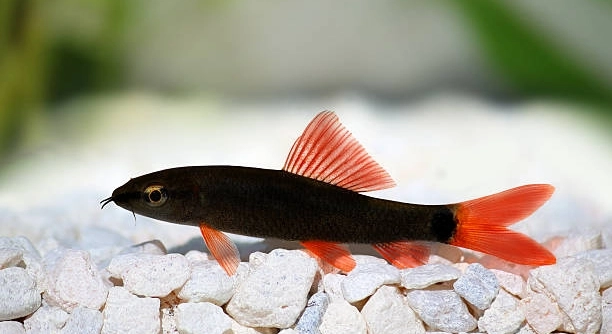
Do you enjoy keeping rainbow sharks but sometimes struggle with their care? Many owners face common challenges that can affect their fish’s health and well-being. Understanding these issues can make a big difference in your aquarium experience.
Rainbow shark care mistakes often involve improper tank size, poor water quality, incorrect diet, and aggressive tank mates. These factors negatively impact fish health and behavior, making it essential to avoid such errors for a thriving aquatic environment.
Avoiding these common pitfalls can improve your rainbow shark’s life and help maintain a balanced tank. Learning simple care tips will keep your fish healthier and happier in the long run.
Choosing the Wrong Tank Size
Many people underestimate how much space rainbow sharks need. These fish can grow up to six inches long and are very active swimmers. A small tank can cause stress and aggression, leading to health problems and fin damage. Ideally, a tank should be at least 30 gallons to give them enough room to move. Crowding makes water quality worse, which can cause disease and shorten their lifespan. When setting up the tank, consider how many other fish will live with the rainbow shark. Overcrowding creates tension and reduces oxygen levels. Proper filtration and regular water changes are necessary, but they can’t replace space. It is also important to provide hiding spots and plants for the fish to feel secure. Remember, the right tank size is the foundation of good care and helps your rainbow shark thrive in a healthy environment.
Smaller tanks increase stress and lead to health issues for rainbow sharks, making a 30-gallon tank a minimum requirement.
Providing enough space reduces aggression and keeps the water clean. It allows your rainbow shark to swim freely, which promotes natural behavior. Plants and decorations offer hiding places, which help reduce stress. Avoid overcrowding to maintain oxygen levels and water quality. Larger tanks give you flexibility to add compatible fish, which helps create a balanced community. Planning ahead for the adult size of your fish prevents future problems. Regular maintenance in an adequately sized tank makes care easier and improves your rainbow shark’s overall health.
Poor Water Quality Management
Maintaining clean water is critical for rainbow shark health. Dirty water stresses the fish and can cause infections.
In many cases, neglecting water changes or using inadequate filtration leads to toxin buildup. Ammonia, nitrite, and nitrate levels rise quickly in tanks that are not cycled properly. Rainbow sharks are sensitive to poor water conditions and can develop fin rot or swim bladder problems if water quality drops. Frequent testing and partial water changes—around 20 to 30 percent weekly—help keep these levels safe. Using a good filter rated for your tank size ensures debris and waste are removed efficiently. Overfeeding also worsens water quality, so feeding only what your fish can eat in a few minutes is important. Balancing water parameters like pH and temperature to their ideal range supports your fish’s immune system. Consistency in water care prevents many common health issues. Proper water management is essential for a thriving rainbow shark and a stable aquarium environment.
Incompatible Tank Mates
Rainbow sharks can be aggressive toward other fish, especially smaller or slow-moving species. Choosing peaceful and similarly sized tank mates helps reduce conflicts. Avoid small schooling fish or aggressive species that might fight back.
Selecting tank mates requires careful research. Rainbow sharks do best with fast swimmers like danios or larger tetras. Avoid slow fish such as bettas or gouramis that may get bullied. Bottom dwellers like corydoras catfish usually coexist well since they occupy different tank levels. Overcrowding increases aggression, so keep the number of fish balanced with the tank size. Monitor your fish closely for signs of stress or injury and be ready to separate them if needed. Compatibility impacts overall tank harmony and fish health, so prioritize peaceful cohabitants.
If conflicts arise, rearranging decorations can break established territories and reduce aggression. Providing hiding spots helps shy fish feel safe. Sometimes separating aggressive individuals is necessary. Understanding rainbow sharks’ semi-territorial nature helps you maintain a peaceful tank, improving the well-being of all your fish.
Overfeeding and Poor Diet
Overfeeding is a common mistake that harms rainbow sharks. It causes water pollution and digestive problems.
Rainbow sharks need a balanced diet rich in protein. Feeding too much or the wrong food leads to obesity and poor health. A varied diet includes sinking pellets, live or frozen foods like bloodworms, and occasional vegetable matter such as blanched spinach. Avoid feeding flakes or foods that float, as rainbow sharks are bottom feeders and may miss out on nutrition. Feed small amounts once or twice daily, only what your fish can consume within two to three minutes. Overfeeding increases waste, which deteriorates water quality, stressing your fish and causing diseases.
Good nutrition supports bright colors and active behavior. Poor diet weakens their immune system, making them vulnerable to infections. Regularly adjust feeding amounts as your fish grow, and observe their body condition to prevent obesity. A well-planned diet combined with proper feeding habits is key to maintaining a healthy and lively rainbow shark.
Ignoring Tank Decorations and Hiding Spots
Rainbow sharks need places to hide and feel secure. Without hiding spots, they can become stressed and more aggressive.
Decorations like caves, plants, and driftwood help break sight lines and reduce territorial behavior. Providing enough hiding spaces improves their comfort and overall well-being.
Not Monitoring Water Parameters Regularly
Regularly checking water parameters is essential to avoid harmful spikes in ammonia, nitrites, or nitrates. Neglecting this can quickly lead to health problems for your rainbow shark.
Keeping pH stable between 6.5 and 7.5 and maintaining a temperature around 75–79°F supports their natural habitat needs. Using test kits weekly helps catch issues early and maintain a safe environment.
Overlooking Signs of Illness
Rainbow sharks often hide symptoms of sickness until conditions worsen. Early detection is vital to successful treatment.
Watch for changes in behavior, loss of color, or damaged fins as warning signs that require attention.
What size tank is best for a rainbow shark?
A tank of at least 30 gallons is recommended for a single rainbow shark. This size allows enough swimming space and helps maintain stable water conditions. Larger tanks are better if you plan to keep other fish with them. Crowding can lead to stress and aggression.
How often should I change the water?
Perform partial water changes of about 20 to 30 percent weekly. This helps keep ammonia, nitrites, and nitrates at safe levels. Frequent water changes also reduce waste buildup and improve overall water quality, which is essential for your fish’s health.
What should I feed my rainbow shark?
Feed a balanced diet with sinking pellets designed for carnivorous fish. Supplement with live or frozen foods like bloodworms or brine shrimp. Occasionally, offer blanched vegetables such as spinach or zucchini. Feed small amounts once or twice a day, only what they can finish in a few minutes.
Can rainbow sharks live with other fish?
Yes, but choose tank mates carefully. Suitable companions include fast, peaceful fish like danios and larger tetras. Bottom dwellers such as corydoras catfish are good choices since they stay in different parts of the tank. Avoid slow or aggressive fish that may be bullied or fight back.
Why is my rainbow shark hiding all the time?
Hiding is often a sign of stress or illness. It can also mean your fish feels unsafe due to poor tank conditions or aggressive tank mates. Make sure the tank has enough hiding spots and check water quality regularly. If hiding continues, observe for signs of sickness.
How do I know if my rainbow shark is sick?
Look for changes in behavior, such as lethargy or loss of appetite. Physical signs include faded colors, torn fins, white spots, or abnormal swimming. Early detection is key to treatment, so inspect your fish often and act quickly if you notice problems.
What water temperature is best for rainbow sharks?
Maintain the tank temperature between 75 and 79°F (24–26°C). This range mimics their natural habitat and keeps them comfortable. Sudden temperature changes can stress the fish, so use a reliable heater and thermometer to keep conditions stable.
How do I prevent aggression in rainbow sharks?
Provide a large tank with plenty of space and hiding spots. Choose peaceful tank mates and avoid overcrowding. Rearrange decorations occasionally to disrupt established territories. If aggression persists, consider separating aggressive fish to prevent injury.
Can rainbow sharks live in a community tank?
Yes, if tank mates are compatible and space is sufficient. A balanced community tank with fish that swim at different levels reduces competition. Avoid small or slow-moving fish, and monitor interactions closely to keep peace.
How long do rainbow sharks live?
With proper care, rainbow sharks can live up to 8 to 10 years. Good water quality, a suitable diet, and a stress-free environment all contribute to a longer, healthier life for your fish. Regular maintenance and observation are essential for longevity.
Taking care of rainbow sharks can be very rewarding when done right. These fish are active, colorful, and add life to a freshwater aquarium. However, they require specific conditions to stay healthy and happy. Choosing the right tank size is important because rainbow sharks need space to swim and explore. A small tank can lead to stress, which affects their health and behavior. Providing hiding spots and decorations helps them feel safe, reducing aggression and anxiety. Keeping water clean and well-filtered is essential to avoid disease and promote good health. Regular water changes and testing help maintain a stable environment.
Feeding rainbow sharks a balanced diet is another key part of their care. They are mostly carnivorous, so sinking pellets designed for them work well. Supplementing their diet with live or frozen foods like bloodworms adds variety and nutrition. Avoid overfeeding, as extra food can pollute the water and cause health problems. Rainbow sharks also show some vegetable eating habits, so small amounts of blanched greens can be offered. Choosing compatible tank mates helps reduce fighting and stress in the aquarium. Peaceful, fast-swimming fish tend to coexist better with rainbow sharks, while small or slow species might get bullied.
Overall, paying attention to these care details helps rainbow sharks live longer and enjoy better health. Monitoring water quality, providing enough space, and offering a proper diet are basic but crucial steps. Watching for early signs of illness allows for timely treatment before problems worsen. Every aquarium is different, so adjusting care routines based on your fish’s behavior is important. With patience and proper care, rainbow sharks can thrive and become a beautiful part of your home aquarium for many years. Taking time to understand their needs will improve your experience and help your fish stay healthy and active.

Hello,
If you enjoy the content that we create, please consider saying a "Thank You!" by leaving a tip.
Every little bit helps us continue crafting quality advice that supports the health, happiness, and well-being of pets around the world, for pets of all shapes, sizes, and species.
We really appreciate the kindness and support that you show us!