
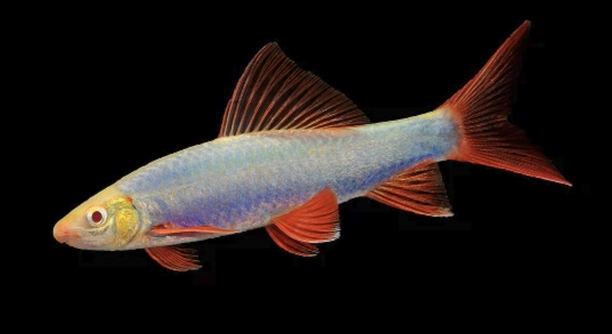
Is your rainbow shark spending more time at the top of the tank than usual, leaving you unsure of what’s going on?
The most common reason your rainbow shark is swimming at the surface is due to low oxygen levels in the water. Poor water quality, stress, or illness can also contribute to this unusual behavior.
By understanding the root causes of surface swimming, you’ll be better prepared to improve your fish’s environment and support its overall well-being.
1. Low Oxygen Levels
When your rainbow shark swims near the surface, the most common cause is low oxygen in the water. These fish prefer well-oxygenated environments, and when levels drop, they often head to the top where oxygen is naturally higher. This can happen if your tank is overcrowded, if there’s not enough water movement, or if your filter isn’t working properly. Warmer water can also hold less oxygen, which is something to consider during hotter months. Using an air stone or adjusting your filter’s outflow can help circulate the water and increase oxygen. It’s also helpful to monitor the temperature regularly and perform partial water changes. If your rainbow shark is gasping at the surface, it’s usually a sign that the tank needs attention. A simple way to prevent this is to make sure your aquarium has good circulation and isn’t too warm.
Check your equipment to ensure proper airflow and water circulation across the tank.
Maintaining good oxygen levels not only keeps your rainbow shark active but also supports the health of all your fish. Regular maintenance, proper stocking, and temperature control go a long way. If this is the issue, you may notice improvements within a few hours after adjusting your setup.
2. Poor Water Quality
Dirty tank water can cause a rainbow shark to act differently, including spending more time at the top.
When water quality drops, fish start showing signs of stress. High levels of ammonia, nitrite, or nitrate can irritate your rainbow shark’s gills, making it harder for them to breathe normally. As a result, they may head toward the surface to get more oxygen. Overfeeding and infrequent water changes are two of the biggest reasons for poor water conditions. Leftover food and waste break down and release harmful chemicals into the water. A simple testing kit can help you track your tank’s parameters and make corrections as needed. If the levels are too high, perform a partial water change immediately and clean any uneaten food or waste. Regular cleaning, filter maintenance, and keeping a consistent schedule for water changes can help avoid these issues in the future. Your fish will be much happier and healthier in clean water.
3. Stress from Aggressive Tank Mates
Stress can cause your rainbow shark to behave differently, including hanging out near the surface more often. This usually happens when it feels threatened or bullied by more dominant or aggressive fish in the tank.
Rainbow sharks are territorial by nature, especially as they mature. If housed with other bottom-dwelling or semi-aggressive fish, constant chasing or nipping may push them to avoid the lower parts of the tank. Over time, this behavior becomes routine as a way to escape conflict. Choosing peaceful tank mates and providing plenty of hiding spots like caves or plants can help reduce tension. A well-decorated tank gives your rainbow shark more control over its space and helps it feel secure. Reducing the number of aggressive species in the tank or rearranging the layout can often calm territorial behavior and ease the stress your shark may be feeling.
Keeping only one rainbow shark per tank is usually best. Housing them with other sharks or similarly-shaped species often leads to constant disputes over territory. If your rainbow shark appears skittish or refuses to leave the top of the tank, it may be time to rehome one of the fish or provide a divider to reduce contact. Your rainbow shark will feel safer and behave more naturally when it’s not being harassed.
4. Illness or Infection
Some diseases can make your rainbow shark feel weak or unwell, causing it to float near the surface more often. You may also notice symptoms like rapid breathing, loss of appetite, faded colors, or strange swimming patterns.
Parasites, bacterial infections, and fungal growths are all possible reasons your rainbow shark is acting this way. These illnesses can affect the gills, making it harder to breathe, which forces the fish toward the top of the tank. Start by checking for visible signs of illness, like white spots, inflamed fins, or a bloated belly. If anything looks off, isolate the fish if possible and treat the tank using aquarium-safe medications based on the symptoms. Be sure to follow dosage directions carefully and remove any activated carbon from your filter while treating. After treatment, maintain clean water conditions and monitor the fish closely for improvement. Acting early makes recovery more likely and prevents the illness from spreading.
5. Overfeeding
Feeding too much can lead to poor water quality, which might cause your rainbow shark to stay near the surface. Uneaten food breaks down quickly and releases toxins that can lower oxygen levels in the tank.
Overfeeding can also cause bloating or constipation, making it harder for the fish to swim properly.
6. Tank Size Issues
Rainbow sharks need space to swim and explore. Keeping them in a tank that’s too small can make them feel cramped and stressed. A cramped tank often lacks proper oxygen circulation and hides, pushing the fish to the surface. Ideally, a 55-gallon tank or larger is best. In smaller tanks, aggression increases, water quality declines faster, and the shark may develop abnormal behavior, like surface swimming. Make sure your tank is long rather than tall, as these fish prefer horizontal space. Along with tank size, ensure there’s enough cover and structure to help reduce stress and provide natural boundaries for your rainbow shark to feel secure.
7. Light and Surface Distraction
Strong lighting or sudden reflections on the surface may confuse or attract your rainbow shark. It might mistake these for food or movement and hover near the top out of curiosity or habit.
Why is my rainbow shark gasping at the surface?
Gasping at the surface usually means your rainbow shark is struggling to get enough oxygen. This often happens because the water is low in oxygen or the fish is stressed or sick. Poor water circulation, overcrowding, or high temperatures can reduce oxygen levels. Check your filter and aeration system to make sure they are working well. If the water is too warm, try to cool it down slightly. Sometimes gasping is also a sign of gill infection or parasites, so keep an eye on other symptoms like rapid breathing or unusual spots.
Can poor water conditions cause my rainbow shark to swim at the surface?
Yes, poor water quality is one of the main reasons for surface swimming. High ammonia, nitrite, or nitrate levels irritate the fish’s gills and make breathing difficult. Overfeeding and infrequent water changes usually cause these problems. Test your water regularly and do partial water changes as needed. Clean the substrate and remove uneaten food to help maintain water quality. Keeping the tank clean prevents many health problems and helps your rainbow shark swim normally throughout the tank.
Is stress from tank mates a common reason for surface swimming?
Stress from aggressive or territorial tank mates is a common cause. Rainbow sharks are territorial and don’t like sharing their space, especially with other bottom dwellers or similar-looking fish. Constant chasing or bullying can push them to avoid the lower tank areas. Adding plants, caves, or decorations gives your shark places to hide and reduces stress. Keeping only one rainbow shark per tank also helps, as they tend to fight each other. A peaceful community with compatible fish makes your shark feel safe and less likely to stay at the surface.
Could illness be causing my rainbow shark to stay near the surface?
Yes, illness or infection can cause your fish to float near the surface. Parasites, bacteria, or fungal infections affect breathing and energy levels. Watch for symptoms like faded color, clamped fins, or unusual swimming patterns. If you suspect illness, isolate the fish and treat the tank with the proper medication. Maintain clean water and monitor the shark closely. Early treatment increases the chances of recovery and stops the disease from spreading to other fish.
How does overfeeding affect my rainbow shark’s behavior?
Overfeeding often leads to poor water quality, which lowers oxygen levels and irritates your fish. It can also cause bloating or constipation, making swimming difficult. Feed your rainbow shark small amounts once or twice a day and remove any uneaten food after a few minutes. A balanced diet and proper feeding routine keep your fish healthy and active in all tank areas, not just near the surface.
What tank size is best to prevent surface swimming behavior?
A tank of at least 55 gallons is recommended for rainbow sharks. They need plenty of horizontal space to swim and establish territory. Smaller tanks often cause stress, poor water quality, and aggression, which can make the fish stay near the surface. Make sure your tank is long rather than tall because rainbow sharks prefer swimming along the bottom and sides. Providing enough space and hiding spots helps your fish feel secure and behave naturally.
Can lighting or reflections cause my rainbow shark to stay at the surface?
Yes, strong lighting or reflections on the water surface can attract or confuse your rainbow shark. They might mistake these for food or movement, leading to surface swimming. Adjust the lighting to reduce glare or add floating plants to soften reflections. This helps your fish relax and spend more time exploring different parts of the tank.
How often should I test my aquarium water to avoid these issues?
It’s best to test your water weekly for ammonia, nitrite, nitrate, and pH levels. Frequent testing helps catch problems early before they affect your fish. After any water changes, feeding, or adding new fish, test again to make sure conditions remain stable. Keeping track of water quality is key to preventing oxygen problems and illness.
What are some signs my rainbow shark is stressed or unhealthy?
Signs include gasping, erratic swimming, hiding too much, faded colors, clamped fins, and loss of appetite. Stress can also make the fish more vulnerable to illness. If you see these signs, check water quality, tank mates, and feeding habits. Taking action early can improve your fish’s health and prevent more serious problems.
Is it safe to treat the entire tank if only one rainbow shark is sick?
Sometimes treating the whole tank is necessary, especially for contagious diseases like parasites or bacteria. Isolating the sick fish helps but may not always be possible or effective. Use medication that is safe for all your fish and plants. Remove activated carbon from filters during treatment, as it can absorb medicine. Follow instructions carefully and monitor the tank afterward to ensure full recovery.
What can I do to improve oxygen levels quickly?
Increase water movement using an air stone, powerhead, or adjusting filter output. Adding live plants helps too, as they produce oxygen during the day. Make sure the tank is not overcrowded, and lower the temperature if it’s too warm. Partial water changes with fresh, well-aerated water can also boost oxygen levels fast.
Are there specific foods recommended for rainbow sharks?
Rainbow sharks eat a variety of foods, including sinking pellets, flakes, frozen bloodworms, and vegetables like zucchini or peas. A varied diet keeps them healthy and prevents digestive problems. Feed small amounts once or twice daily, avoiding overfeeding to maintain good water quality.
Can rainbow sharks live peacefully with other species?
Yes, but choose tank mates carefully. Peaceful fish that occupy different tank levels work best. Avoid other bottom dwellers or aggressive species. Good companions include tetras, barbs, and gouramis. Proper tank size and hiding spots also help reduce stress and territorial fights.
What temperature range is best for rainbow sharks?
They thrive between 74°F and 80°F (23°C–27°C). Temperatures outside this range can stress the fish and reduce oxygen levels. Use a reliable heater and thermometer to keep the water stable. Avoid sudden temperature changes to protect your fish’s health.
When your rainbow shark starts swimming at the surface, it’s often a sign that something in its environment needs attention. Whether it’s low oxygen levels, poor water quality, stress from tank mates, illness, or other factors, these behaviors tell you the fish is not comfortable. Observing your fish closely and understanding what each behavior might mean is key to keeping it healthy and happy. Simple changes like improving water circulation, performing regular water changes, and adjusting feeding habits can make a big difference. Taking care of these details helps create a stable environment where your rainbow shark can thrive.
Maintaining a balanced aquarium is not always easy, but it’s worth the effort. Regular testing of water parameters ensures the tank remains safe for all your fish. Keeping the tank clean and making sure it’s the right size for your rainbow shark prevents many common problems. It’s also important to choose compatible tank mates and provide plenty of hiding spots to reduce stress. A healthy tank means your fish will behave naturally and show its best colors and energy. Watching your rainbow shark explore its home without signs of distress is one of the most rewarding parts of fishkeeping.
If you notice your rainbow shark swimming at the surface, act quickly to check on water quality, oxygen levels, and possible stressors. Early intervention often prevents more serious health issues. Sometimes the solution is as simple as adjusting the temperature or adding an air stone. Other times, it may require treating an illness or rearranging the tank to reduce aggression. With patience and attention, you can help your rainbow shark return to normal behavior and enjoy a long, healthy life in your aquarium. Keeping a close eye and responding to changes will help you provide the best care for your fish.

Hello,
If you enjoy the content that we create, please consider saying a "Thank You!" by leaving a tip.
Every little bit helps us continue crafting quality advice that supports the health, happiness, and well-being of pets around the world, for pets of all shapes, sizes, and species.
We really appreciate the kindness and support that you show us!