
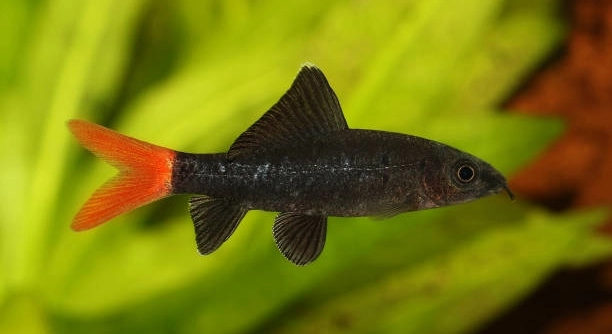
Are your rainbow sharks constantly chasing or nipping at each other, creating a stressful environment in your aquarium? Managing their aggression can be challenging, especially in smaller tanks or poorly arranged spaces.
The best way to reduce aggression between rainbow sharks is by providing ample space, proper tank decor, and minimizing territorial overlap. These changes help lower stress levels and create separate zones, decreasing confrontational behaviors among the fish.
Creating a peaceful setup with the right environment can make a noticeable difference. Let’s explore seven simple changes that can help calm your rainbow sharks and keep your tank balanced.
Provide Enough Space in the Tank
Rainbow sharks are territorial by nature, especially as they mature. A small tank can quickly become a source of stress, leading to aggressive behavior. To minimize conflict, choose a tank that is at least 55 gallons in size if housing more than one rainbow shark. This allows each fish to claim its own space and reduces the need to constantly defend territory. Length is more important than height, so a long tank helps create distance between individuals. Make sure the tank has plenty of swimming room with open areas, but also broken lines of sight to keep aggression down.
Giving your fish enough space isn’t just about comfort—it’s about safety. Less contact means fewer chances for fights and stress.
A cramped environment makes rainbow sharks feel trapped. They need places to escape, rest, and move freely. Without enough room, even non-aggressive tank mates can become targets. Space reduces confrontations and creates a more peaceful setup.
Add Hiding Spots and Decor
Plants, rocks, and driftwood help reduce tension in the tank by offering places to hide and escape when needed.
A well-decorated aquarium helps define boundaries between territories and breaks up lines of sight, which lowers the chances of conflict. Start by using tall plants, caves, and natural decorations like rocks or driftwood. Arrange them in a way that visually separates different parts of the tank. This makes it harder for rainbow sharks to spot each other all the time, giving them chances to retreat and cool off. Caves or hollow logs offer great hideouts, and placing them at opposite ends helps prevent one shark from dominating the entire tank. If your tank looks too open or plain, that can trigger stress and encourage chasing. Try mixing live plants with fake ones to add variety. Decorations don’t just make the tank more attractive—they help keep your fish calm and safer.
Avoid Housing Multiple Rainbow Sharks Together
Keeping more than one rainbow shark in the same tank often leads to constant chasing and aggressive behavior. These fish are naturally territorial and rarely tolerate others of their kind, especially in home aquariums with limited space and hiding areas.
Even if they seem peaceful when young, rainbow sharks typically grow more aggressive with age. This means that what begins as occasional chasing may turn into harmful attacks over time. Unless your tank is very large and has multiple hiding spots, it’s best to house only one rainbow shark. If you attempt to keep more than one, choose sharks of different sizes to reduce direct competition, and monitor their behavior closely. Any signs of persistent chasing or fin damage mean it’s not working. Separate tanks may be the safest option in those cases. A single rainbow shark can thrive peacefully when given the right environment and enough room to establish its own space.
If you want more activity in the tank, choose different species that do not compete for the same territory or space. Rainbow sharks usually ignore fish that stay in the upper levels of the tank. Avoid other bottom dwellers or fish with similar body shapes. Compatibility matters more than appearance when planning tank mates.
Maintain a Balanced Male-to-Female Ratio
A tank with only male rainbow sharks can become tense quickly. Males tend to be more aggressive than females, especially when there’s competition for space or dominance. Keeping just one male helps lower the risk of territorial fights.
If you’re set on keeping multiple rainbow sharks, aim for a setup with more females than males, and only attempt this in a very large tank with plenty of hiding areas. However, sexing rainbow sharks is not easy for beginners, and mistakes can lead to serious conflicts. It’s safer and simpler to keep only one shark per tank. Adding more individuals should only be done if you have experience and the right environment. When the balance is off, aggression increases, and stress affects the health of every fish in the tank. Keeping things calm often means reducing the number of potential rivals and giving each fish enough space to feel secure.
Monitor Tank Mates Closely
Rainbow sharks often chase fish that look or behave similarly. Bottom dwellers, slow swimmers, or species with long fins can become targets. Picking the wrong companions creates constant stress and increases the chance of injuries in the tank.
Choose active mid- or top-level swimmers like barbs or danios. These fish stay out of the shark’s way and reduce tension. Avoid aggressive fish or anything that might fight back. Always observe behavior after introducing new tank mates to catch early signs of trouble before it escalates.
Keep Water Conditions Consistent
Stable water parameters help reduce stress and territorial aggression in rainbow sharks. Fluctuating temperature, pH, or ammonia levels can make them more defensive or agitated. Aim to keep the water temperature between 75–81°F and pH between 6.5–7.5. Regular water changes, proper filtration, and avoiding overcrowding all contribute to a healthier tank. When the environment feels secure, rainbow sharks are less likely to lash out. Sudden changes can trigger aggression even in otherwise peaceful fish. Test your water regularly and respond quickly to any shifts. A stable setup supports calm behavior and gives your fish the best chance at peaceful cohabitation.
Feed Regularly and Evenly
Hunger makes rainbow sharks more aggressive, especially when competing for food. Feed at consistent times and make sure all fish get a fair share to prevent conflict. Spread food across the tank to reduce tension.
FAQ
Can rainbow sharks live with other rainbow sharks?
Rainbow sharks are highly territorial and typically do not get along with others of their kind. Keeping two or more in the same tank often leads to stress, constant chasing, or injuries. Unless you have an extremely large tank—over 100 gallons—with heavy decoration and multiple hiding areas, it’s best to keep only one rainbow shark per tank. Even then, success isn’t guaranteed, as each fish has its own personality and tolerance level. It’s safer and simpler to avoid the risk altogether by not housing them together.
Do rainbow sharks attack other fish?
They can show aggressive behavior toward other bottom dwellers or similarly shaped fish. They often chase and nip at fish that enter their territory or share their swimming zone. Fish like red-tailed sharks, loaches, or catfish may become targets. To reduce aggression, choose tank mates that swim in other levels of the aquarium and don’t resemble rainbow sharks. Species like zebra danios, rasboras, or fast-swimming barbs usually do well. Avoid slow or long-finned fish, as they may not be able to escape quickly.
How can I tell if my rainbow shark is being aggressive?
Signs of aggression include chasing, nipping fins, or cornering other fish. If one fish consistently stays hidden or has torn fins, it may be getting bullied. You might also notice one shark patrolling a specific area and chasing away any other fish that enters it. This is common territorial behavior. If it becomes constant, stress levels rise, and health problems can follow. Watching closely during feeding time and during the day can help you catch aggression early before it becomes dangerous.
What should I do if my rainbow shark is too aggressive?
Start by rearranging the tank decorations. Changing the layout helps reset territorial boundaries and may reduce defensive behavior. Make sure there are plenty of hiding spots using plants, caves, or decorations. If aggression continues, you might need to move the shark to a separate tank. Sometimes, just separating the aggressive fish for a few days and then reintroducing it after a layout change can help calm things down. If nothing works, long-term separation may be necessary for the safety of the other fish.
Do rainbow sharks need tank mates?
Rainbow sharks don’t require tank mates to be happy. They are solitary by nature and often do better when alone. That said, they can coexist with the right community of fish if care is taken when choosing companions. If you want a more active tank, make sure the other fish are fast, peaceful, and swim in different areas. Avoid housing them with slow, passive species that may become stressed or hurt. A peaceful setup depends more on compatibility than on the number of fish.
What size tank is best for a rainbow shark?
The minimum recommended tank size for a single rainbow shark is 55 gallons. These fish grow up to 6 inches long and need plenty of swimming space. A long tank works better than a tall one, as it provides more horizontal room to swim and claim territory. If you’re adding other fish, or lots of decorations, you may want an even larger tank to prevent crowding. Always plan your tank size based on the number of fish, their behavior, and space needed for hiding spots.
Can rainbow sharks live in planted tanks?
Yes, rainbow sharks do well in planted tanks. Live plants help break up the line of sight and create natural barriers, reducing aggressive behavior. They also provide hiding spots for other fish and contribute to better water quality. Hardy plants like Java fern, Anubias, and Amazon swords are good choices. Make sure the substrate supports root growth and that the plants are placed in a way that creates distinct zones in the tank. A well-planted environment helps rainbow sharks feel more secure and less defensive.
Final Thoughts
Rainbow sharks are beautiful fish, but they can be challenging to keep peaceful in a community tank. Their bold personalities and territorial behavior mean they are not always a good fit for every setup. Understanding their natural instincts helps prevent many common problems. Giving them the right environment is key—plenty of space, clear boundaries, and limited competition help keep aggression low. With a proper tank size, good layout, and carefully chosen tank mates, you can enjoy your rainbow shark without constant stress or conflict in the tank.
Aggression is often a result of stress, overcrowding, or poor tank design. That’s why it’s so important to focus on the tank’s layout and stocking decisions. Adding caves, plants, and other decorations isn’t just for looks—it helps break up sightlines and reduce the chances of fights. Housing only one rainbow shark at a time is usually the safest option, especially for beginners or smaller tanks. If you try to keep more than one, it should only be in a very large, well-planned setup with experienced care. Most problems can be avoided by focusing on space, structure, and compatible fish.
Keeping rainbow sharks can be a rewarding experience when they are given the right environment. They are active, interesting to watch, and full of personality. But they do best with owners who understand their needs and are prepared to make changes if aggression becomes a problem. Observation is important—pay attention to how your fish behave and don’t ignore signs of stress. If things go wrong, simple changes like rearranging decor or adjusting tank mates can help. With patience and care, your rainbow shark can be a healthy and peaceful part of your aquarium.

Hello,
If you enjoy the content that we create, please consider saying a "Thank You!" by leaving a tip.
Every little bit helps us continue crafting quality advice that supports the health, happiness, and well-being of pets around the world, for pets of all shapes, sizes, and species.
We really appreciate the kindness and support that you show us!