
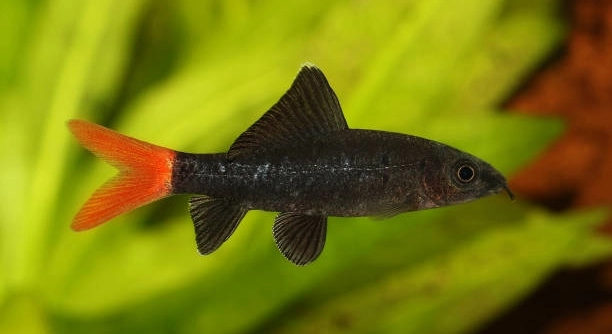
Are your rainbow sharks suddenly refusing to eat? This change in behavior can be worrying for any fish owner. Understanding why this happens is important to keep your fish healthy and thriving in its environment.
When a rainbow shark stops eating, common causes include water quality issues, stress, illness, improper diet, or changes in tank conditions. Addressing these factors promptly helps restore appetite and supports the fish’s overall well-being.
Knowing the reasons behind this problem and how to fix them can help you care for your rainbow shark better. The following tips will guide you through effective solutions to improve your fish’s appetite.
Check Water Quality and Parameters
Poor water quality is one of the main reasons a rainbow shark might stop eating. These fish are sensitive to changes in water conditions such as pH, ammonia, nitrite, and nitrate levels. Regular testing of tank water is necessary to maintain a stable environment. If any of these levels are off, it can stress the fish and reduce its appetite. Additionally, sudden changes in temperature or water hardness can also impact feeding behavior. Keeping the tank clean by performing regular water changes and avoiding overfeeding helps maintain good water quality. Monitoring these conditions ensures your rainbow shark stays healthy and willing to eat.
Keeping the water parameters stable and clean is essential for your fish’s health and appetite.
Water quality directly affects your rainbow shark’s health. By testing regularly and maintaining proper levels, you prevent stress that causes loss of appetite. Routine water changes and avoiding overcrowding support a balanced environment, making your fish feel secure and more likely to eat.
Reduce Stress and Improve Tank Environment
Stress is another significant factor that can make your rainbow shark stop eating. Stressors include sudden movements near the tank, loud noises, overcrowding, or aggressive tank mates. Providing hiding spots such as caves or plants can help the fish feel safe. Ensuring a peaceful and stable environment reduces stress and encourages normal eating behavior. Avoid frequent changes to the tank setup, which can unsettle the fish. It is also important to keep the lighting consistent and avoid sudden bright flashes. Feeding at the same time each day helps establish a routine and reduces anxiety for your rainbow shark. Maintaining a calm environment promotes better health and appetite in your fish.
Adjust the Diet and Feeding Routine
Rainbow sharks can be picky eaters if their diet isn’t varied enough. Offering a mix of high-quality flakes, pellets, and occasional live or frozen foods can stimulate their appetite. Overfeeding can also cause them to stop eating, so feeding small amounts once or twice daily is best.
Feeding your rainbow shark the right diet is crucial. They need balanced nutrition with enough protein and plant matter. Changing the food occasionally helps keep them interested. Avoid feeding too much at once, as leftover food can pollute the tank and discourage eating.
Establishing a consistent feeding schedule creates a sense of security for the fish. Feeding at the same time every day helps regulate their hunger. Also, removing uneaten food after 5 minutes maintains water quality, which further encourages healthy eating habits.
Monitor for Illness and Parasites
If your rainbow shark stops eating suddenly, illness could be a cause. Common signs include lethargy, discoloration, or spots on the body. Parasites may also lead to appetite loss. Early detection and treatment are vital to prevent worsening conditions.
When illness is suspected, isolate the affected fish if possible. Testing the water and observing other fish for symptoms can help determine the problem. Treatment options depend on the specific illness or parasite and may include medications or improved tank hygiene. Always follow instructions carefully to ensure the fish’s recovery.
Maintaining good tank conditions and watching your fish regularly will help catch health issues early. Prompt action increases the chances of restoring your rainbow shark’s appetite and overall well-being.
Provide Adequate Hiding Places
Rainbow sharks feel safer when they have places to hide. Adding rocks, caves, or plants reduces stress and encourages natural behavior.
Without enough hiding spots, your fish may feel exposed and stop eating. Creating a comfortable environment helps restore their appetite.
Maintain Stable Tank Conditions
Frequent changes in water temperature, pH, or lighting can disrupt your rainbow shark’s routine. Stability is important for their health and feeding habits.
Keeping the tank conditions consistent reduces stress and prevents sudden appetite loss. Use heaters and timers to regulate temperature and light cycles for a steady environment.
Avoid Overcrowding
Too many fish in one tank cause stress and competition for food. This can make your rainbow shark less interested in eating.
A balanced number of fish helps maintain peace and allows each fish to feed comfortably.
Regular Tank Cleaning
Cleaning the tank regularly removes waste and harmful substances that affect water quality. Good water encourages your fish to eat and stay healthy.
FAQ
Why has my rainbow shark suddenly stopped eating?
Sudden loss of appetite often points to stress, illness, or poor water conditions. Changes in the tank environment, such as new fish, temperature shifts, or water parameter imbalances, can shock your fish. Also, parasites or infections might cause them to refuse food. Checking water quality and observing behavior closely usually helps identify the cause.
How can I tell if my rainbow shark is sick?
Look for signs like lethargy, faded colors, clamped fins, or visible spots and lesions. Loss of appetite combined with unusual swimming patterns or hiding more than usual also indicates illness. Early detection improves treatment success, so regular observation is important.
What water parameters are ideal for rainbow sharks?
Rainbow sharks thrive in water with a pH between 6.5 and 7.5, temperature around 74-79°F (23-26°C), and low ammonia and nitrite levels. Nitrate should stay below 20 ppm. Keeping these stable supports their health and feeding behavior.
Can diet changes improve a picky rainbow shark’s appetite?
Yes. Offering a varied diet of quality flakes, pellets, and occasional live or frozen foods can stimulate eating. Introducing new foods slowly helps them adjust. Avoid overfeeding, as excess food can degrade water quality and cause health problems.
How often should I feed my rainbow shark?
Feeding once or twice daily with small amounts is sufficient. Remove uneaten food after 5 minutes to keep the tank clean. Consistent feeding times help regulate their hunger and encourage better appetite.
Is it normal for rainbow sharks to stop eating during tank changes?
Yes, changes in the tank can cause temporary stress, leading to a loss of appetite. Providing hiding places and maintaining stable conditions helps the fish adjust faster and resume eating.
What tank mates are suitable for rainbow sharks?
Choose peaceful fish that won’t compete aggressively for food. Avoid fin-nippers or overly aggressive species. Proper tank size and hiding spots reduce stress and promote healthy feeding.
How can I reduce stress in my rainbow shark?
Maintain stable water parameters, provide hiding places, avoid sudden changes, and limit disturbances near the tank. A calm environment supports normal feeding behavior.
When should I consider using medication for my rainbow shark?
If signs of illness such as spots, swelling, or unusual behavior persist for several days, medication may be necessary. Always identify the issue before treatment, and follow dosing instructions carefully to avoid harming your fish.
Can poor water quality cause my rainbow shark to stop eating?
Yes. High ammonia, nitrite, or nitrate levels, along with incorrect pH or temperature, can cause stress and illness, leading to appetite loss. Regular testing and maintenance prevent these problems.
What role does tank size play in my rainbow shark’s eating habits?
A small or overcrowded tank increases stress and competition for food, which may reduce eating. Providing enough space and limiting the number of fish help maintain a healthy appetite.
How long can a rainbow shark go without eating?
Rainbow sharks can survive a few days without food but prolonged fasting weakens their immune system. Identifying and fixing the cause of appetite loss quickly is essential for recovery.
Is it necessary to quarantine new fish before adding them to the tank?
Yes. Quarantining prevents introducing diseases and parasites that could affect your rainbow shark’s health and appetite.
What are common diseases that affect rainbow sharks and their appetite?
Ich, fin rot, and internal parasites are common. These illnesses cause stress and reduce feeding. Early detection and treatment improve outcomes.
Can lighting affect my rainbow shark’s eating behavior?
Yes. Sudden bright lights or inconsistent lighting cycles can stress the fish. Using a timer to provide regular light and dark periods supports natural behavior and appetite.
When your rainbow shark stops eating, it is important to act quickly but calmly. Changes in appetite can signal underlying problems that affect the fish’s health. Often, issues like water quality, stress, illness, or diet cause this behavior. By paying close attention to your fish’s environment and habits, you can identify and fix the problem before it worsens. Taking care of these factors helps ensure your rainbow shark remains healthy and active.
Maintaining a stable and clean tank environment is key to keeping your fish eating well. Regular water testing, cleaning, and monitoring temperature and pH levels reduce stress and prevent illness. Providing hiding places and avoiding overcrowding also create a comfortable space for your fish. When the tank conditions are right, rainbow sharks are more likely to feel safe and eat normally. Feeding them a balanced, varied diet in small amounts helps keep their interest in food and supports their nutritional needs.
If your rainbow shark continues to refuse food despite your efforts, consider consulting a specialist or experienced aquarist. Illness and parasites sometimes require professional diagnosis and treatment. Early intervention improves the chance of recovery and can prevent long-term harm. Overall, patience and careful observation are essential when addressing appetite problems. With proper care, your rainbow shark can return to healthy eating habits and thrive in its tank.

Hello,
If you enjoy the content that we create, please consider saying a "Thank You!" by leaving a tip.
Every little bit helps us continue crafting quality advice that supports the health, happiness, and well-being of pets around the world, for pets of all shapes, sizes, and species.
We really appreciate the kindness and support that you show us!