
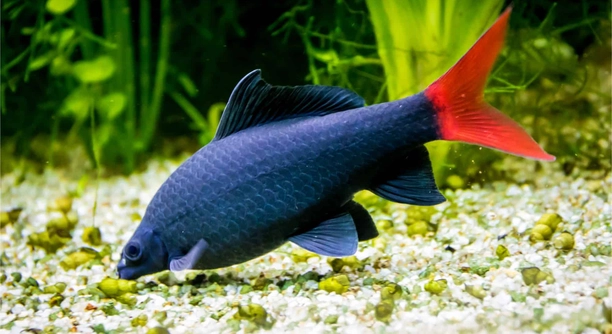
Is your rainbow shark causing trouble in the tank, making life difficult for its fellow fish? You are not alone in this.
The best way to stop rainbow shark tankmates from bullying is by adjusting tank conditions, choosing compatible species, and providing enough space and hiding spots. These changes can significantly reduce stress and aggressive behavior in community tanks.
Understanding how tank dynamics affect behavior can help you build a peaceful setup. These tips will guide you through creating a safer space for all your fish.
Choose Compatible Tankmates Carefully
Rainbow sharks are naturally territorial and do best with specific species that won’t challenge their space. Avoid slow-moving or bottom-dwelling fish, as they may be seen as intruders. Opt for mid- or top-level swimmers that don’t resemble the rainbow shark in shape or behavior. Barbs, gouramis, danios, and some types of rasboras are usually good choices. Aggressive species or those with similar coloring should be avoided, as these traits can trigger competition. Ensuring proper compatibility helps lower the risk of conflict and makes daily care easier. Watching your fish interact calmly is always a sign you’re on the right track.
A crowded tank can create stress and cause aggression. Compatibility is about more than just species—it also depends on temperament and tank setup.
It’s also important to introduce new fish in the right order. Adding the rainbow shark last can help avoid territorial disputes. This lets other fish settle and establish safe zones first. When added last, the rainbow shark is less likely to dominate. Quarantining new fish before adding them can also prevent illness. Take your time when making changes to your tank population. Compatibility decisions should be made based on research and observation, not impulse buys at the pet store.
Provide Plenty of Hiding Spots
Lack of shelter can increase tension between tankmates. Hiding spots help fish escape and reduce stress during minor conflicts.
Use rocks, driftwood, and artificial caves to divide the tank visually and give fish a place to retreat. This breaks the rainbow shark’s line of sight and lowers territorial behavior. Dense plant cover also helps, especially around the bottom and corners. Rearranging decor can confuse territorial patterns, reducing aggression. These changes don’t just benefit the rainbow shark—they help every fish feel more secure. Avoid leaving large open spaces that can be claimed by one dominant fish. Spread decorations evenly to encourage movement throughout the tank. Even small shifts in layout can lead to better behavior. Each fish needs a space where it can hide or rest without feeling threatened. Taking time to create a balanced, well-decorated tank supports healthier, more peaceful interactions for all tankmates.
Maintain Proper Tank Size
A small tank can lead to aggressive behavior in rainbow sharks. These fish need space to swim and define their territory. A cramped tank increases stress for all fish and often leads to chasing and fighting.
A minimum of 55 gallons is recommended for one rainbow shark. This gives them enough room to establish boundaries without feeling overcrowded. If you want to keep multiple fish, especially fast swimmers or semi-aggressive species, you’ll need even more space. Avoid narrow or tall tanks—they don’t offer the horizontal space rainbow sharks prefer. Keeping too many fish in a small tank can also spike ammonia levels and lower oxygen, making aggression worse. A larger tank supports better filtration and more stable water conditions, both of which help reduce stress. More swimming space allows each fish to claim its own area without constant competition, promoting calmer interactions in the tank.
Tank size also plays a role in your aquascaping options. A larger setup allows you to create different zones with plants, rocks, and decorations. This helps redirect the rainbow shark’s energy and reduces direct encounters. Tanks under 40 gallons often cause long-term behavioral issues that are hard to fix later. Giving each species the room it needs is one of the simplest ways to avoid constant chasing. If your tank feels too crowded, it probably is. Planning for adult size—not just juvenile size—is essential when choosing tank dimensions for community setups.
Keep Water Conditions Stable
Sudden changes in water temperature, pH, or ammonia levels can raise tension among tankmates. Fish become defensive or erratic when stressed. Aggression often increases when the environment feels unsafe or uncomfortable.
Keep your water temperature between 75–81°F and pH between 6.5–7.5. Ammonia and nitrite should always be at zero. Regular testing helps you spot small changes before they turn into bigger issues. Use a high-quality filter and change 25% of the water weekly. Poor water quality leads to discomfort and increases territorial behavior. Overfeeding can also worsen conditions quickly, so feed in small amounts and remove uneaten food. When water stays clean and balanced, fish stay calmer and healthier. Rainbow sharks thrive in stable conditions, and this reduces the chances of bullying. If you notice signs of stress, like hiding or rapid gill movement, check your parameters right away. Stability in the tank often leads to better behavior overall.
Rearrange Tank Layout Occasionally
Changing the layout helps break up established territories. This can reduce aggression by confusing the rainbow shark’s memory of space. Rearranging rocks, plants, and décor can reset behavior and give all fish a chance to settle.
Even small changes can make a big difference. Shifting hiding spots or adding a new plant can interrupt routines. Do this during water changes to limit disruption. Make sure each area still has coverage.
Feed at the Same Time in Different Areas
Feeding in multiple spots reduces competition and keeps the rainbow shark from dominating one area. Use sinking and floating food to keep fish focused on their levels. Timed feeding helps prevent chasing and lets each fish eat in peace. Avoid overfeeding to maintain good water quality.
Remove Aggressive Tankmates
Some fish won’t adjust, no matter how well the tank is managed. If aggression continues, it’s safer to rehome or separate the bully. Constant stress affects everyone’s health. It’s better to remove one problem fish than risk harming the whole group.
FAQ
Can two rainbow sharks live together in the same tank?
Keeping two rainbow sharks in the same tank is not recommended unless the setup is very large—at least 125 gallons—and full of hiding spots and visual barriers. Even then, there is a high chance of territorial disputes. Rainbow sharks are known for being aggressive toward their own kind and fish that look similar. If housed together, fighting may break out, leading to stress or injury. It’s generally safer to keep only one rainbow shark per tank to avoid long-term problems.
What fish can live peacefully with a rainbow shark?
Fish that swim in the upper or mid-levels of the tank and are fast-moving work best. Suitable tankmates include zebra danios, barbs, giant danios, and some larger tetras. Avoid fish that look like rainbow sharks—such as red-tail sharks—or slow bottom-dwellers like corydoras and loaches. Peaceful fish with similar aggression levels and different swimming zones reduce the chance of conflict. Always monitor behavior after adding any new species, even those generally considered compatible.
Why is my rainbow shark suddenly acting more aggressive?
Increased aggression may be caused by changes in tank size, layout, or population. Rearranging decorations, adding new fish, or overcrowding can trigger territorial behavior. Poor water quality and fluctuating parameters also add stress, which can make rainbow sharks lash out. If aggression appears suddenly, check your water conditions first. Then look at any recent changes to the tank that may have disrupted its balance. Giving the rainbow shark more space and hiding areas can help calm it down.
Is it okay to keep rainbow sharks in a community tank?
Yes, but only under specific conditions. The tank must be at least 55 gallons, with proper hiding spots, good filtration, and well-matched tankmates. Rainbow sharks can coexist in a community setup if their territorial needs are respected and their space is not invaded. Introducing them last, after other fish have already settled, helps lower aggression. Careful planning is key. Not every community tank is suited for a rainbow shark, so evaluate your setup first.
What signs show that tankmates are being bullied?
Look for torn fins, hiding for long periods, loss of appetite, and erratic swimming. A bullied fish may also show pale colors or hover near the surface or filter. These behaviors suggest stress and fear, often caused by constant chasing or biting. If left unchecked, bullied fish can become sick or even die. It’s important to observe your tank often. If bullying continues, consider rehoming the aggressive fish or separating them for everyone’s safety.
Can tank layout alone reduce aggression in rainbow sharks?
Yes, tank layout can make a big difference. Creating clear zones with driftwood, plants, and rocks breaks the rainbow shark’s line of sight. This reduces the chances of constant chasing. A well-structured tank gives each fish a chance to claim its space and stay out of trouble. Hiding spots and shaded areas also help reduce stress. Small layout changes, done regularly, can reset behavior and create a more peaceful tank environment. The more structure the tank has, the better the behavior tends to be.
How old do rainbow sharks need to be before they show aggression?
Most rainbow sharks start to show territorial behavior once they reach about 4 inches in length, usually around 4 to 6 months of age. Juveniles tend to be more peaceful, but as they grow, they begin to claim space and push others out. Early signs include chasing and mild fin-nipping. Being aware of their growth stages helps you plan tank conditions before issues begin. The larger they get, the more space and structure they’ll need to stay calm.
Should I use tank dividers if aggression doesn’t stop?
If aggression becomes dangerous and rehoming isn’t an option, dividers can offer a temporary solution. A clear or mesh divider lets you keep fish in the same tank while preventing injuries. However, this is not a long-term fix. It’s better used while finding a permanent home or while making changes to tank conditions. Dividers can reduce stress immediately but should be part of a larger strategy to restore peace in the tank.
Final Thoughts
Rainbow sharks can be challenging to keep in a community tank, especially when their behavior becomes aggressive. Understanding their natural habits, space needs, and social limits is important when setting up your aquarium. These fish are territorial by nature, and when the environment doesn’t meet their needs, they often lash out at others. Making simple changes to the tank—like providing hiding spots, choosing peaceful tankmates, and maintaining proper water conditions—can help reduce stress and limit unwanted behavior. Even though they are known for chasing or guarding certain areas, rainbow sharks can live peacefully with others when their environment is well-planned.
Creating the right setup takes patience, but it’s worth the effort. Giving the rainbow shark enough room and keeping the tank organized can improve how all the fish interact. Watching your tank closely after making changes will help you catch early signs of stress or bullying. Not every problem has a fast fix, but small adjustments often lead to big improvements. Avoid overcrowding, make sure tankmates are fast and active, and provide space for each fish to hide or rest. These simple steps reduce fights and create a more balanced environment. Feeding strategies and regular tank maintenance also play a role in keeping everyone healthy and calm.
While rainbow sharks may not be the best fit for every tank, they can still be a great choice for those who take time to plan carefully. If bullying continues even after changes, it may be best to separate the aggressive fish for the safety of the group. Every fish has its own behavior pattern, and sometimes one simply won’t adjust. That doesn’t mean you’ve done something wrong—it just means that particular setup didn’t work. Learning from each experience helps you make better decisions in the future. Building a peaceful tank with a rainbow shark is possible when their needs are understood and respected. Keep observing, adjusting, and staying informed, and your aquarium can become a healthy space for every fish inside.

Hello,
If you enjoy the content that we create, please consider saying a "Thank You!" by leaving a tip.
Every little bit helps us continue crafting quality advice that supports the health, happiness, and well-being of pets around the world, for pets of all shapes, sizes, and species.
We really appreciate the kindness and support that you show us!