
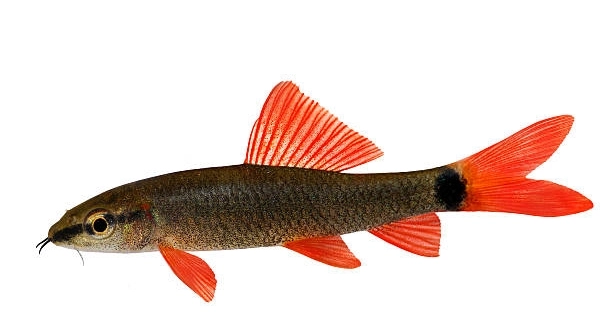
Many fish owners enjoy keeping rainbow sharks because of their vibrant colors and active behavior. Moving these fish to a new tank can be stressful for them. Helping your rainbow shark adjust smoothly is important for its health and happiness.
To support a rainbow shark’s adaptation to a new tank, provide stable water conditions, maintain proper temperature and pH levels, offer hiding spots, avoid sudden changes, and monitor its behavior closely. These steps reduce stress and promote acclimation effectively.
Following these simple measures can make the transition easier for your rainbow shark. Proper care ensures your fish thrives in its new environment without unnecessary problems.
Prepare the Tank Before Introducing Your Rainbow Shark
Preparing the tank properly is the first step to help your rainbow shark feel comfortable. Make sure the water parameters are stable—temperature between 75 and 79°F and pH around 6.5 to 7.5. The tank should be cycled, meaning beneficial bacteria are established to break down waste. Add some smooth rocks, plants, and hiding spots like caves or driftwood. These give the fish places to retreat and feel safe. Avoid bright lights at first, as sudden brightness can stress them. Clean the tank regularly but avoid changing too much water at once, which can shock the fish. Adding a gentle filter and aerator ensures the water stays oxygen-rich. Keep the tank size appropriate; a minimum of 30 gallons is recommended for adult rainbow sharks to swim freely.
Setting up the tank carefully lowers stress and creates a welcoming environment for your fish. Small details make a big difference in how they settle in.
A well-prepared tank shows you care about your rainbow shark’s comfort. Providing clean water, stable conditions, and hiding spots encourages natural behavior. This preparation helps the fish grow healthy and active, reducing risks of illness. Taking these steps before adding your rainbow shark can save time and prevent problems later.
Acclimate Your Rainbow Shark Slowly
Acclimating your rainbow shark slowly helps reduce shock from sudden changes. When introducing the fish, float the sealed bag in the tank for 15 to 20 minutes. This equalizes the temperature. Gradually mix small amounts of tank water into the bag every 5 minutes. After 30 to 45 minutes, gently release the fish into the tank. Avoid dumping the bag water directly, as it may carry contaminants.
Taking time during acclimation supports your fish’s health and comfort.
Slow acclimation allows the rainbow shark to adjust to new water chemistry and temperature safely. Rushing this process can cause stress, leading to weakened immunity or illness. Using the drip method or gradual mixing ensures a smooth transition. Observing the fish closely after release helps catch any signs of trouble early. Remember to keep the tank environment calm and quiet during this time. This careful approach builds a strong foundation for your rainbow shark’s wellbeing in its new home.
Maintain Stable Water Conditions
Stable water conditions are essential for your rainbow shark’s health. Avoid sudden changes in temperature, pH, or ammonia levels.
Regular testing helps you keep track of water quality. Frequent water changes—about 20% weekly—remove toxins and keep the environment clean. Avoid using chemicals that can harm your fish. Using a reliable water conditioner removes chlorine and chloramine from tap water. Consistency is key; fluctuating conditions cause stress and make the fish more vulnerable to disease. Keep the tank environment calm by limiting loud noises or vibrations near the tank. Monitoring parameters like nitrate, nitrite, and ammonia levels ensures a safe habitat. Proper filtration also plays an important role in maintaining water quality and clarity.
By maintaining stable water conditions, your rainbow shark will feel secure and less stressed. This stability supports its immune system and overall activity. When water conditions are good, your fish can thrive and show its best colors. Paying close attention to these details can prevent common health problems linked to poor water quality. Regular maintenance benefits both you and your fish.
Provide a Balanced Diet
A balanced diet helps your rainbow shark stay healthy and energetic. Feed a mix of high-quality pellets, flakes, and occasional live or frozen foods like bloodworms or brine shrimp. Avoid overfeeding to prevent water pollution.
Offering variety ensures your fish receives necessary nutrients. Feed small amounts two to three times daily, only what they can eat in a few minutes. Remove leftover food promptly to avoid decay. Supplement with vegetables such as blanched zucchini or cucumber for fiber and vitamins. Feeding at regular times helps establish a routine, reducing stress. Monitor your fish’s appetite and adjust portions as needed. Proper nutrition supports growth, coloration, and disease resistance, improving your fish’s quality of life.
Maintaining a healthy diet is one of the easiest ways to support your rainbow shark’s adaptation. Nutritious food fuels recovery and helps your fish settle into its new environment more quickly. Ensuring good feeding habits contributes to long-term wellbeing and prevents common issues related to poor nutrition.
Minimize Stress During Transport
Transport your rainbow shark carefully to reduce stress. Use a well-sealed container with enough water and air space. Keep the container in a dark, quiet place during the trip to calm the fish.
Avoid shaking or sudden movements. Keep the water temperature steady to prevent shock. This careful handling helps your fish arrive healthy and ready to adapt.
Use Hiding Spots Effectively
Hiding spots help rainbow sharks feel secure in a new tank. Provide caves, plants, or decorations where they can retreat. These areas reduce stress and encourage natural behavior.
Hiding spots also help shy or stressed fish regain confidence. Without these safe spaces, rainbow sharks may hide less and become more vulnerable to illness or aggression.
Monitor Behavior Closely
Watch your rainbow shark carefully after introducing it to the tank. Look for signs of stress like hiding, loss of appetite, or erratic swimming. Early detection allows for quick action.
If behavior changes persist, check water quality and tank conditions. Addressing problems early helps your fish recover faster and stay healthy.
Avoid Overcrowding
Too many fish in the tank increase stress and competition. Keep the rainbow shark’s tank population moderate to ensure enough space and resources.
Overcrowding leads to poor water quality and aggressive behavior, which can harm your fish’s health.
FAQ
How long does it take for a rainbow shark to adapt to a new tank?
Rainbow sharks usually take about one to two weeks to adjust to a new environment. During this time, they may hide more or show less activity. Stress from moving causes this behavior, but with proper care, they gradually become comfortable and start exploring the tank.
What are the signs that my rainbow shark is stressed?
Common signs of stress include hiding constantly, loss of appetite, rapid breathing, and unusual swimming patterns like darting or rubbing against objects. Color fading can also indicate stress. Monitoring these signs early helps you take action to improve tank conditions or reduce stressors.
Can I keep rainbow sharks with other fish?
Rainbow sharks can be territorial and sometimes aggressive, especially in small tanks. They do better with larger tank mates that are fast and not overly aggressive themselves. Avoid housing them with slow-moving or long-finned fish. Providing plenty of space and hiding spots can reduce conflicts.
How often should I change the water in the tank?
A weekly water change of about 20-25% is recommended. This keeps nitrate levels low and removes waste. Avoid changing too much water at once, as large shifts can stress the fish. Regular testing helps guide how often and how much water to change.
What temperature is best for a rainbow shark?
The ideal water temperature is between 75°F and 79°F (24°C to 26°C). Consistency is important; sudden temperature changes can cause stress and illness. Using a reliable heater and thermometer helps maintain a stable environment.
What should I feed my rainbow shark?
Feed high-quality sinking pellets or flakes designed for omnivorous fish. Supplement with live or frozen foods like bloodworms or brine shrimp for variety and extra nutrients. Vegetables such as blanched zucchini or cucumber can also be offered occasionally. Feed small amounts two to three times daily.
Is it normal for my rainbow shark to hide a lot?
Yes, especially when first introduced to a new tank. Hiding is a natural behavior to feel safe. Over time, as your fish adjusts, it will become more active and visible. Providing hiding spots helps reduce stress and supports this natural behavior.
How big should my tank be for a rainbow shark?
A minimum tank size of 30 gallons is recommended for one rainbow shark. Larger tanks provide more space to swim and reduce territorial aggression. If you want to keep multiple rainbow sharks, you need an even bigger tank with plenty of hiding areas.
Why is my rainbow shark losing color?
Color loss often indicates stress, poor water quality, or illness. Check water parameters immediately and improve conditions if needed. Ensuring a balanced diet and stable environment helps restore vibrant colors over time. Persistent color fading should be evaluated by a fish health expert.
Can rainbow sharks live with live plants?
Yes, rainbow sharks generally tolerate live plants well. They may occasionally nibble on soft leaves but usually leave tougher plants alone. Adding plants provides hiding spots and improves water quality, creating a healthier environment overall. Choose hardy plants like Java fern or Anubias for best results.
What should I do if my rainbow shark shows signs of illness?
Isolate the fish if possible and test water quality first. Poor water conditions often cause illness. Treat with appropriate medication based on symptoms, and maintain clean, stable water. Consulting an experienced aquarist or vet can help diagnose and treat serious issues promptly.
How can I prevent aggression in a rainbow shark?
Provide enough space and hiding spots to reduce territorial behavior. Avoid overcrowding and choose compatible tank mates. Keeping the tank well-maintained and feeding regularly also lowers stress and aggression. Observing fish behavior helps catch early signs of conflict.
Is it okay to keep rainbow sharks in community tanks?
Yes, if the tank is large enough and includes compatible fish species. Rainbow sharks may show aggression if the tank is too small or overcrowded. Choose fast, peaceful fish that can avoid confrontations. Provide plenty of plants and decorations to create separate territories.
How often should I clean the tank filter?
Clean the filter every 3 to 4 weeks, depending on the tank size and bio-load. Rinse filter media gently in tank water to preserve beneficial bacteria. Avoid cleaning all parts at once to maintain biological filtration, which is vital for water quality.
Can I breed rainbow sharks at home?
Breeding rainbow sharks in a home aquarium is difficult and not common. They require specific conditions and a large tank. Males can be aggressive, especially during spawning. If breeding is a goal, research detailed care guides and prepare a separate breeding tank.
What is the best way to introduce new fish to a tank with a rainbow shark?
Introduce new fish slowly and watch for signs of aggression. Quarantine new fish for a few weeks before adding them. Add new fish during feeding times to distract the rainbow shark. Ensure the tank has enough space and hiding places for all inhabitants.
Helping your rainbow shark adapt to a new tank takes time and attention. The steps you take early on can make a big difference in how well your fish settles in. Preparing the tank properly, keeping water conditions stable, and providing hiding spots all contribute to a comfortable environment. When your fish feels safe and secure, it will be less stressed and more likely to thrive. Taking the time to learn about your rainbow shark’s needs shows you care about its health and happiness.
Watching your rainbow shark’s behavior closely is important after moving it to a new tank. Stress signs like hiding, loss of appetite, or unusual swimming should not be ignored. Acting quickly by checking water quality or adjusting tank conditions can prevent bigger problems. Feeding your fish a balanced diet also supports its immune system and helps it regain strength. With patience and proper care, your rainbow shark will begin to explore its surroundings and show its bright colors again. Each step you take builds a stronger foundation for your fish’s long-term wellbeing.
Remember that every rainbow shark is unique and may adjust at its own pace. Some fish settle in quickly, while others take longer. It is important to keep conditions consistent and avoid sudden changes during this period. Providing enough space, clean water, and a quiet environment helps reduce stress and promotes natural behavior. By following these guidelines and staying observant, you give your rainbow shark the best chance to adapt successfully and live a healthy, active life in its new home.

Hello,
If you enjoy the content that we create, please consider saying a "Thank You!" by leaving a tip.
Every little bit helps us continue crafting quality advice that supports the health, happiness, and well-being of pets around the world, for pets of all shapes, sizes, and species.
We really appreciate the kindness and support that you show us!