
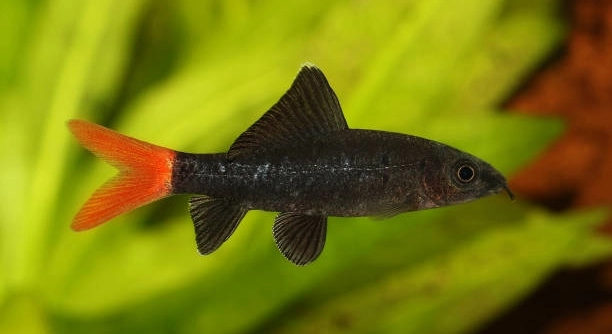
Rainbow sharks are popular aquarium fish known for their striking colors and active behavior. Sometimes, however, you might notice your rainbow shark swimming alone, away from other fish. This behavior can be puzzling for many aquarium owners.
Rainbow sharks often swim alone due to territorial behavior, stress, inadequate tank size, incompatible tank mates, water quality issues, lack of hiding spaces, or health problems. These factors contribute to their solitary movement and reluctance to interact with other fish.
Understanding these reasons can help you create a better environment for your rainbow shark and improve its overall well-being in your aquarium.
Territorial Behavior
Rainbow sharks are naturally territorial fish. They tend to claim specific areas within the tank and guard them against other fish. When the tank is too small or crowded, they may become more aggressive and isolate themselves to defend their space. This can make them appear lonely as they swim alone in their territory. Providing enough space helps reduce this territorial aggression and promotes peaceful coexistence.
Territoriality is common among rainbow sharks, especially if tank mates invade their claimed space or the environment feels crowded.
Making sure the tank is large enough and decorated with plenty of hiding spots can reduce territorial behavior. Adding plants or structures creates natural boundaries, allowing your rainbow shark to feel secure. This setup encourages more relaxed behavior and less isolation.
Stress and Environmental Factors
Stress can cause a rainbow shark to swim alone and avoid other fish. Changes in water temperature, poor water quality, or sudden disruptions in the tank environment often trigger stress. These fish are sensitive to their surroundings and need stable, clean conditions to thrive.
Stress affects a rainbow shark’s behavior by causing withdrawal and lethargy, which results in swimming alone.
Maintaining good water quality through regular cleaning and monitoring is essential. Sudden changes in temperature or water chemistry should be avoided to minimize stress. Quiet surroundings and a consistent feeding routine also help your rainbow shark feel more comfortable. By creating a calm and stable environment, you encourage your fish to interact more and swim freely with other tank mates.
Incompatible Tank Mates
Some fish do not get along well with rainbow sharks. Aggressive or overly active tank mates can stress your rainbow shark, causing it to swim alone and hide. Peaceful and similar-sized fish work best to keep harmony in the tank.
Choosing compatible tank mates is crucial for a rainbow shark’s social behavior. Aggressive fish like large cichlids may bully them, while very small fish might be seen as prey or ignored. A balanced community tank with calm species encourages your rainbow shark to explore and interact more openly.
Monitoring fish interactions regularly helps identify any conflicts early. If your rainbow shark stays isolated, consider adjusting tank mates or rearranging the environment to reduce tension and improve overall tank dynamics.
Water Quality Issues
Poor water quality is a major reason rainbow sharks isolate themselves. High ammonia, nitrite, or nitrate levels create an unhealthy environment that can stress or even harm your fish. Clean, well-filtered water supports their health and social behavior.
Maintaining proper water parameters involves regular testing and timely water changes. Using a reliable filter and avoiding overfeeding help keep the water clean and clear. Keeping the tank at the right pH and temperature also supports your fish’s comfort.
If water conditions worsen, rainbow sharks may become lethargic, swim near the surface, or hide alone. Consistent care and monitoring prevent these problems, ensuring your rainbow shark stays active and engaged in the tank.
Lack of Hiding Spaces
Rainbow sharks need places to hide and feel safe. Without enough cover, they may swim alone in search of shelter. Plants, rocks, and decorations help create hiding spots.
Providing hiding spaces reduces stress and encourages your rainbow shark to explore and interact more with other fish.
Tank Size
A tank that is too small restricts a rainbow shark’s movement and increases territorial behavior. A minimum of 30 gallons is recommended for a single rainbow shark to swim comfortably and reduce stress.
A larger tank allows the fish to establish its own space without constant conflict. This freedom promotes healthier, more natural behavior and social interactions within the aquarium.
Health Problems
If your rainbow shark is sick or injured, it may isolate itself and swim alone. Illness can cause lethargy and reduced appetite, signaling the need for care.
Regular health checks help catch problems early and keep your fish active and social.
FAQ
Why is my rainbow shark swimming alone all the time?
Rainbow sharks often swim alone due to territorial instincts or stress. They may feel threatened by other fish or the tank setup. Inadequate space, poor water quality, or lack of hiding spots can also cause them to isolate themselves. It’s important to review the tank conditions and tank mates to help your fish feel more comfortable.
Can rainbow sharks live peacefully with other fish?
Yes, rainbow sharks can live with other fish, but compatibility matters. They do best with peaceful, similarly sized species. Avoid aggressive or very small fish to prevent bullying or stress. Providing enough space and hiding spots will improve harmony in the tank and encourage your rainbow shark to interact more.
How big should my tank be for a rainbow shark?
A tank should be at least 30 gallons for a single rainbow shark. Larger tanks are better if you want to keep multiple fish or add different species. Bigger tanks reduce territorial aggression and give your rainbow shark room to swim freely, leading to a healthier and less stressed fish.
What water conditions are ideal for rainbow sharks?
Rainbow sharks prefer water temperatures between 72-79°F (22-26°C), a pH of 6.5-7.5, and clean, well-filtered water. Ammonia and nitrite levels should be zero, and nitrates kept low through regular water changes. Stable water conditions help reduce stress and support healthy behavior.
How can I reduce stress for my rainbow shark?
Stress can be reduced by maintaining stable water quality, avoiding overcrowding, and providing hiding spots like plants and rocks. Keeping tank mates peaceful and feeding a balanced diet also helps. A calm environment encourages your rainbow shark to swim confidently and socialize more.
What signs show my rainbow shark is sick?
Look for signs like lethargy, loss of appetite, unusual swimming patterns, or faded colors. Hiding excessively and breathing rapidly can also indicate illness. If you notice these symptoms, check water quality and consider consulting an aquatic vet or specialist to treat your fish promptly.
Why does my rainbow shark hide all the time?
Hiding is a natural behavior for rainbow sharks when they feel threatened or stressed. Lack of hiding places, aggressive tank mates, or poor water conditions can increase hiding. Adding decorations and ensuring good tank conditions help your fish feel safe and reduce excessive hiding.
Can overcrowding cause my rainbow shark to swim alone?
Yes, overcrowding increases stress and territorial disputes, which can cause your rainbow shark to isolate itself. Crowded tanks limit swimming space and increase aggression. Reducing the number of fish or upgrading to a larger tank can improve social behavior and reduce isolation.
Is it normal for rainbow sharks to be solitary?
Rainbow sharks can be solitary by nature, but too much isolation may indicate issues like stress or poor tank conditions. When healthy and comfortable, they often explore and interact more. Providing space, hiding spots, and compatible tank mates encourages balanced behavior.
How often should I clean my tank to keep my rainbow shark healthy?
Perform partial water changes of 20-30% weekly to maintain water quality. Clean the substrate and check the filter regularly to prevent buildup of harmful substances. Consistent maintenance keeps your rainbow shark healthy and less likely to swim alone due to stress or poor environment.
Rainbow sharks are beautiful and active fish that add life to any aquarium. However, when they swim alone, it can be concerning. This behavior often signals issues with their environment, health, or tank mates. By paying attention to their needs, you can help create a comfortable space where they feel safe and willing to interact. Understanding why your rainbow shark prefers to swim alone is the first step toward improving its overall well-being.
Several factors influence a rainbow shark’s behavior. Territorial instincts, stress from incompatible tank mates, or poor water quality can cause them to isolate themselves. Sometimes, the tank may be too small or lack enough hiding spots, making the fish feel vulnerable. Health problems can also play a role, as sick fish tend to hide and avoid others. Taking the time to review your tank setup, water conditions, and fish compatibility can lead to positive changes. Making simple adjustments such as adding plants, increasing tank size, or monitoring water quality can make a big difference.
Consistency and care are essential in maintaining a happy and healthy rainbow shark. Regular water changes, feeding a balanced diet, and keeping the environment stable reduce stress and encourage natural behavior. Observing your fish closely allows you to notice any early signs of illness or discomfort. When you provide the right conditions, your rainbow shark is more likely to explore, interact, and swim comfortably with other tank mates. These efforts help ensure your fish thrives and brings beauty and activity to your aquarium.

Hello,
If you enjoy the content that we create, please consider saying a "Thank You!" by leaving a tip.
Every little bit helps us continue crafting quality advice that supports the health, happiness, and well-being of pets around the world, for pets of all shapes, sizes, and species.
We really appreciate the kindness and support that you show us!