
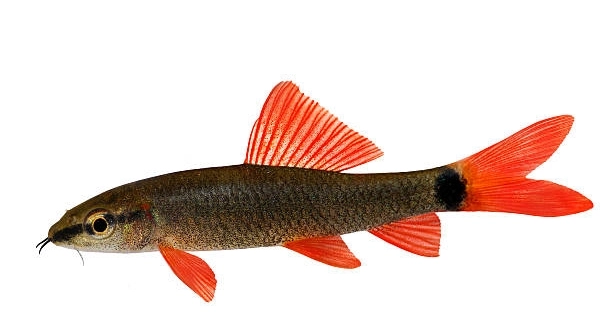
Is your Rainbow Shark showing unusual behavior that has you concerned? These active fish can sometimes act oddly, causing worry for their owners. Understanding the common causes can help you provide better care for your aquatic pet.
Unusual behavior in Rainbow Sharks is often linked to environmental stress, poor water quality, or improper tank conditions. Addressing these factors promptly helps restore normal activity and ensures the fish’s health and wellbeing.
This article will guide you through simple fixes to help your Rainbow Shark feel comfortable and thrive in its home.
Check Water Quality Regularly
Maintaining clean water is essential for your Rainbow Shark’s health. Poor water quality often causes unusual behavior, such as hiding, lethargy, or erratic swimming. Testing water parameters like ammonia, nitrite, nitrate, and pH helps you catch problems early. Use a reliable test kit weekly to ensure levels are safe. Performing regular water changes keeps toxins low and oxygen levels high. Avoid overcrowding the tank, as too many fish can cause waste buildup quickly. Also, remove leftover food and debris to prevent water pollution. Proper filtration is important, so clean or replace filters as needed. Clear, well-maintained water reduces stress on your fish and promotes natural behavior, making your Rainbow Shark more active and healthy.
Water quality directly influences your Rainbow Shark’s behavior. Keeping parameters stable helps maintain its wellbeing and reduces stress-induced problems.
Regular monitoring and timely water changes create a stable environment that supports your fish’s normal activity and overall health.
Provide Adequate Space and Hiding Spots
Rainbow Sharks need enough space to swim freely and places to hide. A tank smaller than 30 gallons restricts their movement and causes stress. These fish are territorial, so hiding spots like plants, rocks, or caves help them feel secure. Without shelters, they may become aggressive or shy away from the open areas of the tank. Arrange decorations to create territories that reduce conflicts with other fish. Make sure hiding spots are easily accessible but not overcrowded. Overly cramped environments lead to increased tension and abnormal behavior. Giving your Rainbow Shark room to explore and rest in safe places encourages a balanced and calm temperament. A well-organized tank supports both their physical and emotional needs, improving their behavior noticeably.
Monitor Diet and Feeding Habits
Rainbow Sharks need a balanced diet to stay healthy. Overfeeding or feeding the wrong food can cause unusual behavior and health problems. Feed small amounts twice a day and avoid leftover food that can foul the water.
A proper diet includes high-quality pellets or flakes designed for omnivorous fish. Supplement their meals with occasional live or frozen foods like bloodworms, brine shrimp, or vegetable matter. Variety ensures they get all necessary nutrients. Feeding too much or too little affects their energy levels and can cause aggression or lethargy. Keep track of how much your fish eats and remove uneaten food promptly. This helps maintain water quality and keeps your Rainbow Shark active and healthy.
Feeding schedules and portion control directly influence your fish’s mood and behavior. Proper nutrition supports immune function and prevents stress-related issues.
Maintain Stable Tank Conditions
Sudden changes in temperature, pH, or water hardness can stress your Rainbow Shark and lead to unusual actions. Stability in the aquarium environment is key. Keep temperature steady between 74°F and 80°F.
Avoid rapid fluctuations by using a reliable heater and thermometer. Test water parameters regularly and avoid mixing incompatible fish species that can alter water chemistry. Stable conditions reduce stress and help your Rainbow Shark establish a routine. When conditions remain consistent, your fish will show more natural behavior and better overall health. This also prevents common illnesses linked to stress and environmental shock, allowing your Rainbow Shark to thrive.
Avoid Overcrowding the Tank
Overcrowding causes stress and aggression in Rainbow Sharks. Each fish needs enough space to swim comfortably and establish its own territory.
Too many fish increase waste and lower water quality. Keep the tank population appropriate to size for a balanced environment.
Reduce Stress from Tank Mates
Rainbow Sharks can become stressed if housed with aggressive or overly active fish. Choose compatible, peaceful species that won’t compete aggressively for space or food.
A calm community tank helps Rainbow Sharks behave naturally and reduces hiding or erratic swimming caused by stress.
Keep a Consistent Lighting Schedule
A regular day and night cycle supports your Rainbow Shark’s natural rhythm. Use a timer to maintain consistent lighting, with around 10-12 hours of light daily.
Proper lighting helps regulate feeding and resting behaviors, keeping your fish balanced and healthy.
Observe Behavior Changes Closely
Watching your Rainbow Shark regularly helps you notice subtle signs of stress or illness early. Timely action can prevent serious health issues.
FAQ
Why is my Rainbow Shark hiding all the time?
Rainbow Sharks often hide when they feel stressed or threatened. This can happen due to poor water quality, sudden changes in tank conditions, or aggressive tank mates. Providing plenty of hiding spots and maintaining stable water parameters helps your fish feel safe and encourages more active behavior.
What causes my Rainbow Shark to swim erratically?
Erratic swimming is usually a sign of stress or discomfort. It may be caused by poor water quality, incorrect temperature, or lack of space. Checking and correcting these factors typically calms your fish. Parasites or illness can also cause erratic movement, so watch for other symptoms like discoloration or clamped fins.
How often should I feed my Rainbow Shark?
Feed your Rainbow Shark small amounts twice a day. Overfeeding leads to water pollution and health issues. Remove any uneaten food after a few minutes to maintain water cleanliness. A balanced diet including pellets, flakes, and occasional live or frozen foods will keep your fish healthy.
Can Rainbow Sharks live with other fish?
Rainbow Sharks can coexist with peaceful, similarly sized fish if the tank is large enough. Avoid keeping them with overly aggressive or very small fish, as this may cause stress or territorial disputes. Provide hiding places to help reduce conflicts.
Why is my Rainbow Shark’s color fading?
Color fading often results from stress, poor water quality, or inadequate nutrition. Ensuring clean water, a balanced diet, and stable tank conditions will help your fish regain vibrant colors. Sometimes fading can indicate illness, so watch for other signs and act quickly.
What tank size is suitable for a Rainbow Shark?
A minimum of 30 gallons is recommended for a single Rainbow Shark. Larger tanks are better if you want to keep multiple fish or other species. More space reduces stress and aggression by allowing territory establishment and comfortable swimming.
How do I treat fin rot or infections in Rainbow Sharks?
Fin rot usually happens from poor water conditions or injury. Improve water quality immediately by doing water changes and cleaning the tank. Use appropriate antibacterial treatments as directed. Isolate the fish if necessary to prevent spreading infection.
Is it normal for Rainbow Sharks to be aggressive?
Rainbow Sharks are territorial by nature and may show aggression toward their own species or similar-looking fish. Proper tank size, hiding spots, and compatible tank mates reduce aggression. Avoid overcrowding to keep stress and fights low.
How can I tell if my Rainbow Shark is sick?
Signs of illness include lethargy, loss of appetite, unusual swimming, color changes, torn fins, or spots on the body. Early detection and treatment are vital. Regular water testing and observation help catch problems before they worsen.
What is the ideal water temperature for Rainbow Sharks?
Keep the water temperature between 74°F and 80°F. Use a reliable heater and thermometer to maintain this range. Sudden temperature changes can stress your fish and cause behavior issues or illness.
How often should I clean my Rainbow Shark’s tank?
Perform partial water changes of about 20-25% weekly. Regularly clean filters and remove debris to maintain water quality. Avoid full cleanings that disturb beneficial bacteria. Consistent maintenance supports a healthy environment and fish behavior.
Can I keep plants with my Rainbow Shark?
Yes, live plants provide hiding spots and improve water quality. Choose hardy plants that can withstand the fish’s activity, such as Java fern or Anubias. Avoid delicate plants that may get uprooted or damaged.
What should I do if my Rainbow Shark stops eating?
Loss of appetite can indicate stress, illness, or poor water conditions. Test water parameters and observe for signs of disease. Offer varied, high-quality food and reduce feeding frequency until appetite returns. If the problem continues, consult a specialist.
Are Rainbow Sharks suitable for beginners?
Rainbow Sharks require stable tank conditions and regular maintenance, which might be challenging for new fish owners. They need a sufficiently large tank and compatible tank mates. Understanding their care needs helps prevent behavior problems and health issues.
How can I reduce aggression between Rainbow Sharks?
Provide a large tank with plenty of hiding spots and visual barriers. Avoid keeping multiple Rainbow Sharks unless the space is very large. Introduce fish gradually and monitor interactions closely. Sometimes separating aggressive individuals is necessary.
What are signs of stress in Rainbow Sharks?
Stress signs include hiding excessively, rapid breathing, loss of color, clamped fins, and unusual swimming patterns. Stress usually results from poor water quality, overcrowding, or incompatible tank mates. Addressing these issues quickly improves your fish’s wellbeing.
Rainbow Sharks are active and interesting fish that can bring life to any freshwater aquarium. However, their unusual behavior can sometimes be worrying for owners. It is important to remember that many of these behaviors are signals that something in their environment needs attention. By paying close attention to water quality, tank conditions, diet, and interactions with other fish, you can help your Rainbow Shark feel safe and healthy. Simple fixes often make a big difference, reducing stress and encouraging natural behavior.
Maintaining stable conditions in the tank is one of the most effective ways to prevent unusual behavior. This means keeping water parameters steady, providing enough space, and creating a balanced environment with hiding spots and compatible tank mates. Overcrowding and sudden changes in temperature or pH can cause stress and aggression, which show up as erratic swimming or hiding. Regular water testing and cleaning, along with monitoring the behavior of your fish, allow you to catch problems early. Small, consistent efforts in tank maintenance contribute greatly to the wellbeing of your Rainbow Shark.
Feeding your Rainbow Shark a balanced diet and avoiding overfeeding supports their health and energy levels. Variety in food and portion control helps prevent digestive issues and maintains water quality. Observing your fish regularly helps you notice any changes in behavior or appearance that may indicate health problems. With proper care and attention, your Rainbow Shark can thrive, showing vibrant colors and active swimming. Taking these steps ensures a long, healthy life for your fish and a rewarding experience for you as an owner.

Hello,
If you enjoy the content that we create, please consider saying a "Thank You!" by leaving a tip.
Every little bit helps us continue crafting quality advice that supports the health, happiness, and well-being of pets around the world, for pets of all shapes, sizes, and species.
We really appreciate the kindness and support that you show us!