
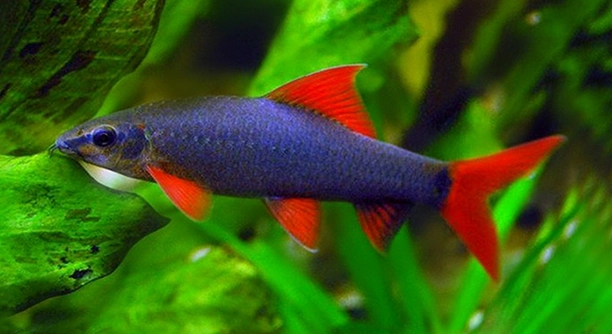
Setting up a Rainbow Shark tank can be a rewarding experience for aquarium enthusiasts. These striking fish add vibrant color and movement to your tank, but their care requires attention to detail. Avoiding common mistakes ensures a healthy environment for your Rainbow Sharks.
When setting up a Rainbow Shark tank, it is essential to avoid overcrowding, poor water quality, inappropriate tank mates, insufficient hiding spots, improper diet, inadequate tank size, and inconsistent maintenance. These factors critically affect the well-being and behavior of the fish.
Understanding these pitfalls will help create a stable and comfortable habitat for your Rainbow Sharks to thrive. The following tips provide clear guidance for a successful aquarium setup.
Overcrowding the Tank
Keeping too many Rainbow Sharks in a single tank is a common mistake. These fish are territorial and need space to swim freely. When the tank is overcrowded, aggression increases, causing stress and potential injury. A crowded tank also leads to poor water quality because waste accumulates faster than the filtration system can handle. Rainbow Sharks grow up to six inches long, so a tank size of at least 30 gallons is recommended for one fish, with additional space for each new addition. Proper spacing reduces conflict and promotes healthy behavior. Planning the number of fish carefully from the start helps avoid overcrowding problems and keeps the tank balanced.
Overcrowding often results in aggressive behavior and poor health. Ensuring adequate space is essential for Rainbow Sharks’ well-being.
Creating enough room for each fish improves their comfort and reduces stress. With proper tank size and population control, your Rainbow Sharks will display natural swimming patterns and vibrant colors. Overcrowding not only harms the fish but also makes tank maintenance harder, affecting water clarity and quality. Managing tank population is a key step to keeping the environment stable and fish happy.
Poor Water Quality
Maintaining clean water is vital for Rainbow Sharks. Dirty or polluted water can cause illness and shorten their lifespan. Regular water changes and good filtration help keep toxins like ammonia and nitrites at safe levels.
Poor water quality stresses Rainbow Sharks and can lead to disease outbreaks.
Water quality influences Rainbow Sharks’ health more than any other factor. These fish need stable conditions with a temperature range between 74-80°F and a pH around 6.5 to 7.5. Frequent testing of water parameters ensures the environment stays within safe limits. A powerful filter that can handle the tank’s size removes waste effectively, reducing harmful substances. Changing 25% of the water weekly prevents buildup of harmful chemicals. Ignoring water maintenance may result in cloudy water, lethargic fish, or even death. By monitoring and cleaning the tank regularly, you create a safe home that allows your Rainbow Sharks to thrive.
Inappropriate Tank Mates
Rainbow Sharks do best with peaceful fish that won’t compete for territory. Aggressive or fin-nipping species can stress them out. Avoid keeping them with large or highly territorial fish.
Choosing the right tank mates ensures harmony. Avoid slow-moving or delicate species that may be bullied by Rainbow Sharks. Good companions include barbs, danios, and certain catfish. These fish have compatible temperaments and similar water requirements. Mixing incompatible species often leads to fights, stress, and injuries. Proper research on tank mate compatibility helps maintain a peaceful community tank, reducing the risk of aggression and promoting natural behavior.
Tank mate selection directly affects Rainbow Sharks’ health. Compatibility with non-aggressive, similarly sized fish helps reduce stress. Avoid overcrowding and territorial disputes to maintain a calm tank environment, allowing all fish to thrive together without conflict.
Insufficient Hiding Spots
Rainbow Sharks need places to hide and feel secure. Without enough hiding spots, they become stressed and more aggressive. Hiding spots can be created with plants, caves, or decorations.
Providing adequate shelter reduces stress and helps fish feel safe. Use live or artificial plants, smooth rocks, and driftwood to create natural hiding places. These spots allow Rainbow Sharks to retreat and rest when feeling threatened. Stress from lack of shelter weakens their immune system, making them vulnerable to illness. Proper tank layout with plenty of hiding spots encourages natural behavior and improves overall tank harmony, making your Rainbow Sharks more relaxed and active.
Improper Diet
Rainbow Sharks require a balanced diet with protein and plant matter. Feeding only flakes or pellets limits their nutrition and weakens their health.
A varied diet including algae wafers, vegetables, and occasional live or frozen foods supports their growth and vibrant color. Avoid overfeeding to prevent water quality issues.
Inadequate Tank Size
Rainbow Sharks need enough space to swim and establish territory. Small tanks cause stress and aggressive behavior.
A minimum of 30 gallons is necessary for one Rainbow Shark, with additional space for more fish. Larger tanks reduce conflict and improve water stability.
Inconsistent Maintenance
Regular tank cleaning and water changes are critical. Neglecting maintenance leads to toxin buildup and poor fish health.
How often should I change the water in my Rainbow Shark tank?
Regular water changes are essential for maintaining a healthy tank. Aim to change about 25% of the water every week. This helps remove harmful toxins like ammonia and nitrates that build up over time. Skipping water changes can lead to poor water quality, stressing your fish and increasing the risk of disease. It’s important to use a water conditioner to remove chlorine and chloramines from tap water before adding it to the tank. Consistent water changes keep the environment stable and safe for your Rainbow Sharks.
What tank size is best for Rainbow Sharks?
A minimum tank size of 30 gallons is recommended for one Rainbow Shark. These fish grow to about six inches and need space to swim and claim territory. If you plan to keep more than one, increase the tank size accordingly to prevent overcrowding and aggression. Larger tanks also make it easier to maintain stable water conditions. Remember, the bigger the tank, the better the environment for your fish to thrive. Small tanks often cause stress and territorial disputes.
Can Rainbow Sharks live with other fish?
Yes, but choosing the right tank mates is important. Rainbow Sharks are semi-aggressive and territorial, so peaceful, fast-swimming fish like barbs, danios, or certain catfish work best. Avoid slow-moving, long-finned, or highly aggressive species, as they may be bullied or cause fights. Keeping incompatible species together can lead to stress, injuries, or even death. Always research compatibility before adding new fish to your tank to maintain harmony.
What do Rainbow Sharks eat?
Rainbow Sharks are omnivores and need a varied diet. Offer high-quality sinking pellets or wafers designed for bottom feeders as a staple. Supplement their diet with fresh vegetables like zucchini or cucumber slices and occasional live or frozen foods such as bloodworms or brine shrimp. This variety supports their health, growth, and vibrant coloration. Avoid overfeeding to reduce waste and maintain water quality.
Why are my Rainbow Sharks hiding all the time?
Excessive hiding often indicates stress or poor tank conditions. Common causes include overcrowding, lack of hiding spots, aggressive tank mates, or bad water quality. Ensure your tank is large enough, with plenty of shelters and peaceful companions. Test water parameters regularly and perform maintenance to keep the environment stable. When these needs are met, Rainbow Sharks will feel secure and swim more openly.
How aggressive are Rainbow Sharks?
Rainbow Sharks are moderately aggressive, especially towards their own species or similar-looking fish. They defend their territory and may chase or nip at tank mates. Providing ample space, hiding spots, and compatible companions helps reduce aggression. Avoid overcrowding and stressful conditions, which can worsen territorial behavior.
Can I keep multiple Rainbow Sharks in one tank?
It’s possible but requires a large tank of at least 55 gallons or more. Each fish needs its own territory, so space is crucial. Even then, some chasing or mild aggression may occur. To minimize conflicts, provide plenty of hiding spots and break sightlines using plants or decorations. Watch their behavior closely and be ready to separate them if fighting becomes serious.
What temperature and pH are best for Rainbow Sharks?
Rainbow Sharks thrive in temperatures between 74°F and 80°F. The pH should be stable, ideally between 6.5 and 7.5. Keeping these conditions consistent supports their metabolism and immune system. Sudden changes can stress the fish and cause health problems. Use a reliable heater and test water parameters regularly.
How can I tell if my Rainbow Shark is healthy?
Healthy Rainbow Sharks are active, swim confidently, and show vibrant colors. Their fins should be intact without tears or clamping. Clear eyes and normal breathing rates also indicate good health. Watch for signs of illness like lethargy, loss of appetite, unusual spots, or rapid breathing. Early detection helps treat problems before they worsen.
Is it necessary to add live plants to a Rainbow Shark tank?
Live plants are beneficial but not mandatory. They improve water quality, provide hiding spots, and create a natural environment. Rainbow Sharks may nibble on soft plants, so choose hardy species like Java fern or Anubias. Artificial decorations can also offer shelter if live plants are not an option. Either way, providing cover helps reduce stress and encourages natural behavior.
Setting up a Rainbow Shark tank requires careful attention to several important details. Avoiding common mistakes can make a big difference in the health and happiness of your fish. Overcrowding, poor water quality, and incompatible tank mates are some of the key problems to watch for. Ensuring the right tank size, maintaining clean water, and providing enough hiding spots all contribute to a stable environment. Each step you take helps create a better living space for your Rainbow Sharks.
Rainbow Sharks are beautiful and active fish, but they need proper care to thrive. Feeding them a balanced diet and keeping their tank clean are essential parts of their care routine. Regular water changes and good filtration help maintain water quality and prevent stress. Aggression and hiding behavior often result from poor tank conditions, so managing tank population and providing places to retreat are important. Watching how your fish behave can give clues about their well-being and let you adjust care as needed.
Taking the time to learn and follow best practices will help your Rainbow Sharks live a healthy, longer life. It’s rewarding to see them swim actively and show their bright colors in a well-maintained tank. The effort spent on proper setup and maintenance benefits both the fish and the tank environment. Paying attention to these details creates a peaceful and balanced aquarium that you can enjoy for years to come.

Hello,
If you enjoy the content that we create, please consider saying a "Thank You!" by leaving a tip.
Every little bit helps us continue crafting quality advice that supports the health, happiness, and well-being of pets around the world, for pets of all shapes, sizes, and species.
We really appreciate the kindness and support that you show us!