
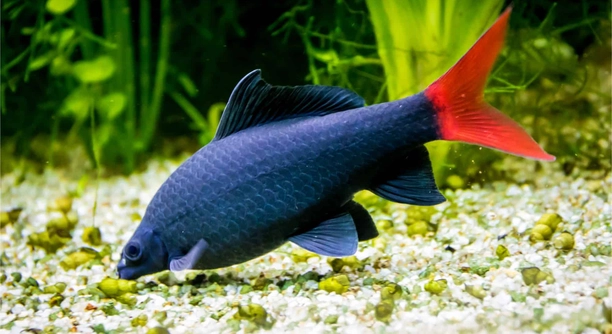
Have you ever watched your rainbow shark closely and noticed small clusters of bubbles forming at the water’s surface, almost like a nest?
Rainbow sharks make bubble nests as part of their natural breeding behavior. These nests serve to protect fertilized eggs and provide oxygenation. Other reasons include territorial display, stress response, temperature changes, or poor water conditions.
Some of these reasons are instinctual, while others are triggered by the tank environment or social behavior within the aquarium.
Breeding Behavior and Reproduction
Rainbow sharks often create bubble nests when they are ready to breed. This behavior is more common in males and usually happens when they feel comfortable in their tank environment. The nest, made of air and mucus, serves as a secure place to keep fertilized eggs suspended near the surface, where oxygen levels are higher. Although actual breeding in home aquariums is rare due to their territorial nature, this behavior may still occur as a natural instinct. If your shark is making a bubble nest, it could mean they are attempting to reproduce or mimicking the act out of habit, especially if the water conditions and temperature are close to their natural habitat. You may also notice them guarding the area, showing increased aggression toward other tank mates. This is all part of their breeding-related behavior and doesn’t always indicate that mating will take place or that eggs are present.
Bubble nest building helps with egg protection and oxygenation.
Even without a mate, a rainbow shark may build nests if it feels secure and healthy. Mimicking this reproductive behavior can happen when conditions seem ideal, even in isolation. This makes it important to monitor your tank setup, especially if other fish begin to show signs of stress or aggression.
Stress and Environmental Triggers
Stress can cause unexpected behaviors in aquarium fish, including bubble nest building.
Changes in tank conditions, such as sudden temperature shifts or poor water quality, can lead rainbow sharks to exhibit nesting behaviors. It’s their way of trying to adapt to or control an environment that feels unstable. In some cases, the behavior helps them claim territory or establish a safe zone when they feel threatened. Aggressive tank mates, overcrowding, or a lack of hiding spaces can contribute to these stress signals. To reduce this, check your filtration, temperature range (75–81°F), and ammonia levels regularly. Maintain a calm tank atmosphere with minimal disturbance and avoid frequent rearranging of décor. Though bubble nests might look harmless or interesting, repeated building under stress can be a sign that your rainbow shark is uncomfortable. Take this behavior seriously, especially if paired with erratic swimming or changes in appetite. Small adjustments to the tank can restore a sense of safety and reduce unnecessary nesting.
Water Temperature Changes
Bubble nests may appear when the tank temperature rises slightly, especially during seasonal shifts or equipment issues. Warmer water can simulate breeding conditions, encouraging your rainbow shark to prepare a space for eggs, even without a mate present.
Temperatures between 75°F and 81°F are generally ideal for rainbow sharks, but even a small increase within that range can trigger reproductive instincts. If your heater is set too high or there’s direct sunlight hitting the tank, your shark might respond with bubble nest building. It’s not always a concern, but it’s a good reminder to monitor your equipment. Keeping temperatures stable helps avoid unnecessary stress and behavioral confusion. Sudden changes or prolonged warmth can overstimulate them, making them more territorial or restless. Checking the heater placement and room conditions is often enough to keep things balanced. A thermometer placed on the opposite side of the heater can help catch hidden fluctuations.
Maintaining a steady temperature helps prevent confusion in behavior. If your shark is nesting more often than usual, confirm that your heater isn’t overcompensating for cooler room temperatures. Avoid placing the tank near vents or windows. Even short exposures to sunlight or airflow can cause enough variation to influence bubble nest formation. Regular checks help maintain consistency.
Territorial Instincts
Rainbow sharks are naturally territorial and may build bubble nests to mark an area they consider theirs. The nest becomes a physical sign of control, especially if there are other fish in the tank.
This behavior can become more frequent if the tank is too small or lacks hiding spaces.
Lack of Stimulation
A rainbow shark might build bubble nests when it doesn’t have enough mental or physical stimulation. This behavior can act as a substitute for more natural activities. Adding rocks, plants, or gentle current can redirect its focus and reduce repetitive nesting behavior.
Tankmate Interactions
Bubble nest building can increase after new fish are introduced. The rainbow shark may feel the need to re-establish its territory or show dominance.
FAQ
Do all rainbow sharks build bubble nests?
Not all rainbow sharks build bubble nests, and it’s not a guaranteed behavior in every home aquarium. This action is more common in males and typically depends on factors like tank conditions, temperature, and the shark’s sense of safety. Some rainbow sharks may never exhibit this behavior, especially if the environment doesn’t trigger it or if the fish isn’t mature enough. Others might create nests regularly, even without a mate. The absence of bubble nests isn’t necessarily a concern, but if you notice sudden changes in nesting patterns, it may be helpful to check for environmental triggers or stress.
Is bubble nesting a sign that my rainbow shark is sick?
Bubble nesting isn’t usually a sign of illness. In most cases, it means your shark feels comfortable or is reacting to specific tank conditions. However, if nesting is paired with other concerning symptoms—like loss of appetite, hiding, pale coloration, or erratic swimming—it could point to underlying stress or water issues. Nesting alone isn’t harmful, but when it happens alongside behavior changes, it’s best to check ammonia, pH, and nitrate levels. Look for aggression from tank mates or shifts in temperature too. Healthy nesting should look calm and focused, not frantic or obsessive.
Can I stop my rainbow shark from making bubble nests?
You can reduce nesting by addressing the causes, but it may not be necessary unless it’s linked to stress. If the behavior becomes excessive or disruptive, try adjusting the tank layout, adding hiding places, and maintaining a steady temperature. Reducing surface agitation may also help, as calmer water encourages bubble formation. If the shark is nesting due to boredom, adding more stimulation like rocks, driftwood, or slow-moving tank mates can shift its attention. Don’t remove the bubbles directly, as that may increase stress. Instead, improve the tank conditions and give your shark time to adjust naturally.
How long do bubble nests usually last?
Bubble nests can last several hours to a few days, depending on tank conditions. Calm water and minimal disturbance help them stay intact longer. If your filter flow is strong or there’s a lot of surface movement, nests will likely disappear faster. Some sharks will maintain their nests by adding new bubbles, while others will abandon them shortly after building. The duration varies from fish to fish and may also depend on why the nest was made in the first place—whether it was instinctive, territorial, or environmental. Frequent nest building with short lifespans may suggest stress or overstimulation.
Can female rainbow sharks build bubble nests?
It’s rare but possible for female rainbow sharks to show nesting behavior, especially if they’re dominant or stressed. Typically, males are more active in this behavior, particularly in breeding-like conditions. However, because it can also be linked to stress, temperature, or tank layout, females may sometimes mimic nesting patterns. It’s not a reliable way to determine sex, and observing other behaviors—like aggression levels or physical characteristics—is a better indicator. If your female shark is nesting often, it’s worth checking your setup to ensure nothing is encouraging unnecessary stress or triggering false breeding cues.
Should I be worried if the bubble nest disappears overnight?
There’s usually no need for concern if a bubble nest vanishes overnight. That can happen if there’s increased filter flow, fish movement, or slight shifts in temperature. Rainbow sharks don’t always maintain their nests long-term. If your fish seems healthy otherwise and isn’t behaving differently, it’s nothing to worry about. If the shark starts rebuilding frequently or appears restless, it may help to assess the tank’s balance—especially lighting, water current, and territory availability. Consistent disappearing nests could be a sign that the environment is just a bit too active for the bubbles to last.
What should I do if the nesting becomes excessive?
If your rainbow shark builds nests too often or appears overly focused on the behavior, it may be a response to boredom, stress, or unstable water conditions. Make sure the tank size is appropriate (at least 30 gallons), and provide enough hiding spaces and calm areas. You can rearrange tank decor or add enrichment to keep your shark mentally active. Check water quality regularly and avoid sudden changes in temperature. Excessive nesting doesn’t usually harm the fish, but it can be a clue that the environment needs adjustment. Balance and variety in the tank can reduce repetitive actions.
Final Thoughts
Rainbow sharks building bubble nests is a natural behavior that often shows they feel secure in their tank. It’s usually linked to breeding instincts, even when no mating occurs. The nests are made from air and mucus and float at the surface, usually in calm spots of the tank. While they’re more common in males, the behavior can be seen in females as well. Factors like temperature changes, boredom, stress, or new tank mates can trigger bubble nest building. These nests are not harmful, but they can be a useful way to understand how your rainbow shark is reacting to its environment.
A stable tank plays an important role in reducing unnecessary nesting. If you notice nests forming more often than usual, it might be time to check water conditions, review the tank’s layout, and consider how your shark is interacting with other fish. Making sure the tank has enough space, hiding spots, and stable temperatures can help create a balanced environment. Adding plants or decorations can give your shark something to explore and prevent boredom. Even small changes in light, current, or noise near the tank can affect your shark’s behavior. Bubble nests are often harmless, but frequent building may be a sign to look deeper.
Understanding this behavior can help you respond calmly and make small improvements if needed. Bubble nesting doesn’t always require action, especially if your shark appears healthy and active. Still, it’s helpful to observe how often the behavior occurs and whether it’s part of a pattern tied to changes in the tank. Keeping track of water parameters and making slow, thoughtful adjustments can go a long way in supporting your shark’s well-being. Overall, bubble nests are one of the many interesting things rainbow sharks do, and by learning more about it, you can better care for your fish and enjoy watching their natural instincts at work.

Hello,
If you enjoy the content that we create, please consider saying a "Thank You!" by leaving a tip.
Every little bit helps us continue crafting quality advice that supports the health, happiness, and well-being of pets around the world, for pets of all shapes, sizes, and species.
We really appreciate the kindness and support that you show us!